Florida has become the first state in the country to impose item-level restrictions on how welfare cash assistance can be spent, blocking Temporary Cash Assistance funds loaded onto EBT cards from being used on tattoos, vaping products, theme park admission, video games and a range of other purchases deemed non-essential.
Governor Ron DeSantis announced the amended state plan on August 24, 2026, governing Florida’s Temporary Cash Assistance program, which is funded through the federal Temporary Assistance for Needy Families program. Under the new rules, cash assistance can no longer go toward tobacco and nicotine products, vaping devices, drugs or other intoxicants, p*rnography, tattoos and body piercings, tanning and spa services, video games, entertainment subscriptions, theme park admission, or psychic and fortune-telling services. The restrictions apply at the point of sale, requiring retailers to integrate software blocks preventing barred items from being purchased with the benefit cards.
DeSantis framed the move as a matter of accountability, saying that taxpayer-funded assistance should help families put food on the table, keep the lights on, purchase clothing, provide for their children and overcome barriers on the path toward independence. The changes do not reduce the amount of aid eligible households receive; Florida says the average family in the cash-assistance program gets approximately $250 a month, with the overhaul focused solely on where that money can go. The state had already barred EBT cards from being used for alcohol, casinos and adult entertainment establishments.
The Department of Health and Human Services’ Administration for Children and Families approved Florida’s updated plan, with officials describing the changes as “common-sense restrictions” on inappropriate and non-essential purchases. The Trump administration is now encouraging other states to adopt similar item-specific limits on their own cash-assistance programs, though fact-checkers have noted that while Florida is the first to enforce such restrictions at checkout, other states already block comparable purchases through different mechanisms.
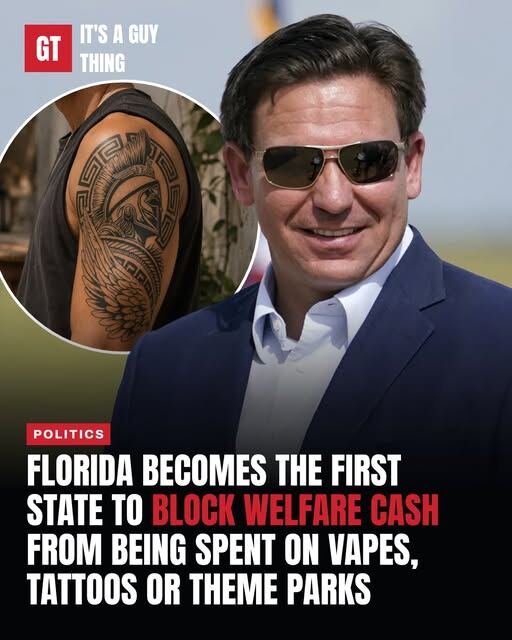
Florida has become the first state in the…
Create new listing
×
Post an Ad
Discussion
Send a private message
Comments
Do you know what we got in the 70's if you needed help for food? A big block of cheese..That's it..one block of cheese..
Here's a better solution. Make everyone pay their fair share. Everyone pays 10% of everything they earn in taxes. Then, there would be more revenue and more people fighting against the lazy.
If they can afford those things, then they could afford to support themselves.
If you have a cash option usually you can just go to an atm and withdraw the money
Ebt cash you can take out the atm so how would they monitor this?
Did they do the same for billionaires. Same difference.
Can you please do state officials next? How about and government employees
It already can’t be used on any of these things in any state in the Union, but leave it to FL to uphold the stereotype.
Believe it or not, I might be wrong, but as I recall in the 60s and 70s in California, there were restrictions on what you could purchase with food stamps. If I were ambitious, I would research it.
Snap card reads the bar codes at checkout and knows if you buy anything other then food. Snap is not used on an atm. Cash is regulated that rents are paid directly from the state to the landlord. Other cash for say diapers are also shown in bar codes. So the tattoo shop is bar coding tattoos as food. lol.
The question is, why was that ever allowed
Um, why was that a option to begin with?
I've never seen a tattoo shop that takes EBT cards
Most states already bar anything but food being purchased with EBT cards. Tru to catch up Florida.
Common sense!........shocker!