











Posts by Topic
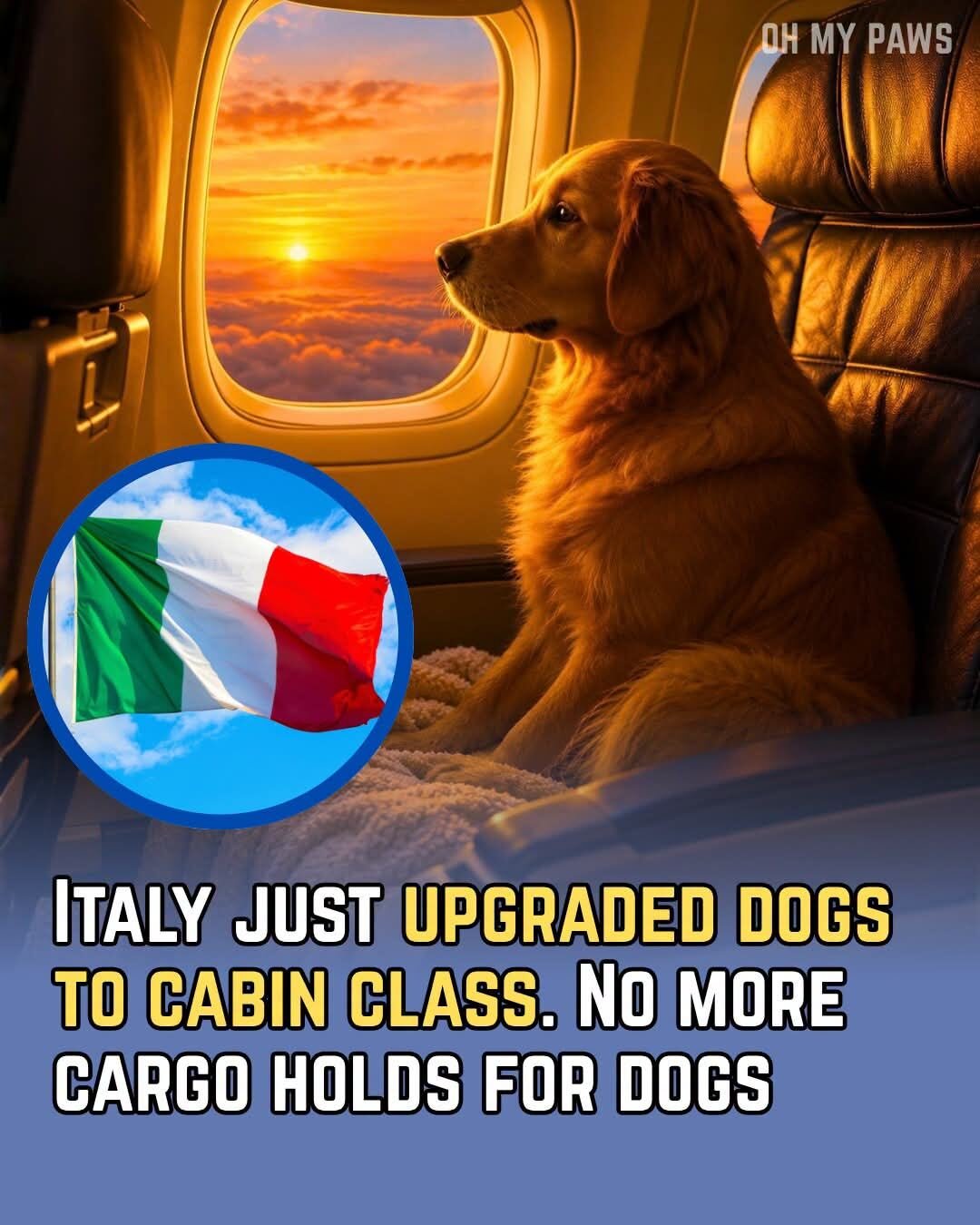
For many pet owners, flying with a dog can be one of the most stressful parts of traveling. The thought of being separated from a beloved companion during a flight is enough to make some families reconsider traveling altogether. That’s why changes allowing dogs to travel closer to their owners are generating so much excitement among animal lovers.
The idea could make air travel feel less frightening for both pets and their humans while giving families another option when planning long-distance journeys.
For people who see their dogs as family members, having them nearby can make an enormous emotional difference. Would cabin travel make you more willing to fly with your dog? ✈️🐶
🐷 This actually happened in Australia.
In 2013, campers at the DeGrey River rest area near Port Hedland woke up to find a feral pig biting through their beer cans one by one.
He drank them all, destroyed the trash bags for a snack, and ran into trouble with a local cow who chased him around the parked cars.
The story became so famous that local authorities later considered building a memorial for him.
#wildlife #livingearth #australia

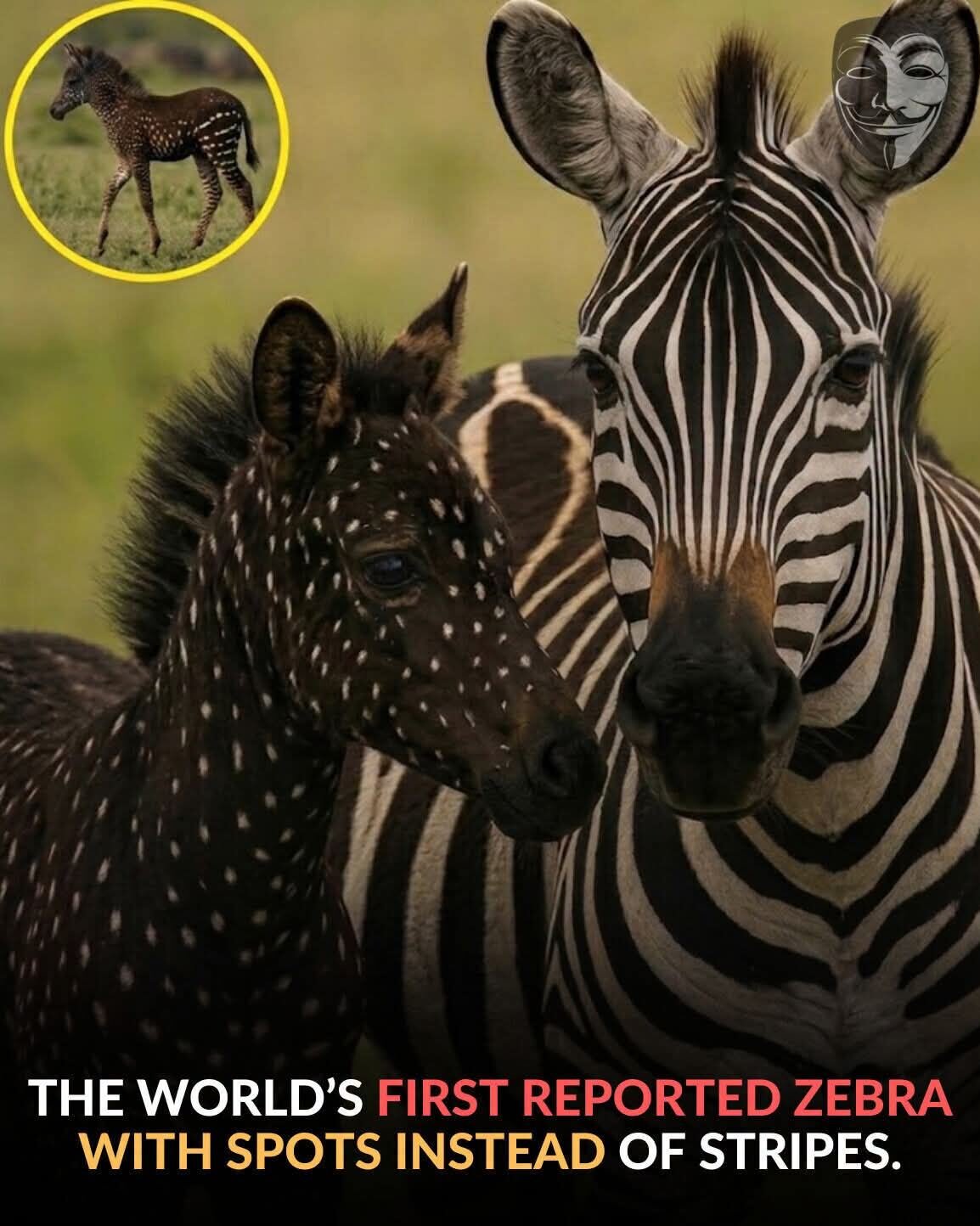
The first zebra with spots ever recorded in the world 🦓✨.
In Kenya’s Maasai Mara, a young zebra named Tira amazed researchers with a rare spotted coat instead of the usual black-and-white stripes. Experts say her appearance is linked to pseudomelanism, a genetic condition affecting pigment development. Despite her unusual look, Tira has continued growing and living normally among other wild zebras in the reserve.
#photography #Zebras #Wildlife
References:
Source: Maasai Mara Wildlife Conservancies Association – Tira, the Rare Spotted Zebra of Kenya.
Source: National Geographic – Rare Zebra With Unusual Spotted Coat Amazes Researchers.
Source: Live Science – Scientists Explain the Genetic Condition Behind Tira’s Unique Appearance.
Florida doesn’t need to host the Olympics — we already live in them. Summer here is a full‑time competition: sprinting across burning parking lots, dodging 3PM storms, surviving I‑4 traffic, and navigating floods, lightning, lovebugs, and gators like it’s all part of the events lineup. From sandbag powerlifting to hurricane‑prep javelin, every day feels like a humid endurance final. This isn’t a sport. It’s just Florida life.

🔥🐾 BLACK FRIDAY SPECIAL — LIMITED TIME! 🐾🔥
🎉 Get TWO FREE add-on services with your pet’s professional teeth cleaning!
Choose any TWO:
🐾 Anal gland expression
👂 Ear cleaning
✂️ Nail trimming
📅 Book by November 30, 2026!
✅ The appointment must be booked by November 30th AND scheduled to take place during 2026 to qualify for this Black Friday promotion.
🐈 Guess what? Your pet also deserves proper dental care, just like you!
👩🏻⚕️🐩 Start early! Addressing your pet’s oral health from a young age means avoiding serious health issues down the line.
🐕 Pet Love Smile’s mobile service offers unparalleled convenience for pet lovers across FLORIDA, with more than 12 fully equipped vans ready to serve you right at your doorstep.
😍 What makes us special:
✅ We arrive at your home, no need to drive anywhere!
✅ Anesthetic-free cleaning
✅ Emphasis on humane practices, with your pet’s comfort as our priority
✅ We handle everything, so you don’t need to sweat the details!
🤳 Have any additional questions? Please don’t hesitate to get in touch with us!
🐶💜 Don’t miss our Black Friday offer — book by November 30th!

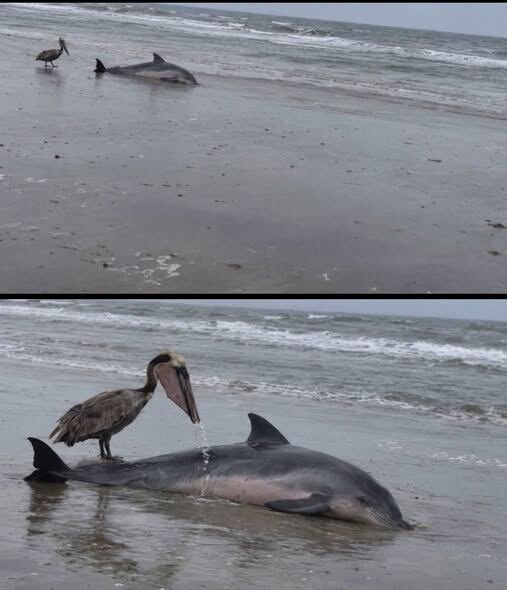
Beachgoers thought the pelican was just looking for food. Then they watched what it was actually doing, and it changed everything. 🌊 pelican
A dolphin had become stranded along the shoreline, completely exposed and exhausted. Nearby, a pelican kept approaching the animal over and over again. At first, people didn’t think much of it—until they realized the bird was scooping up water in its large beak and releasing it over the dolphin’s dry body, trying to keep it wet.
Concerned visitors immediately called marine wildlife rescuers.
Responders rushed to the scene to stabilize the dolphin and safely return it to the ocean. All the while, the pelican lingered close by, refusing to leave the spot.
Whether the bird fully understood what was happening or not, its persistent visits drew the attention the dolphin desperately needed to survive. It couldn’t save the animal on its own—but because of its curiosity, help arrived just in time. ❤️
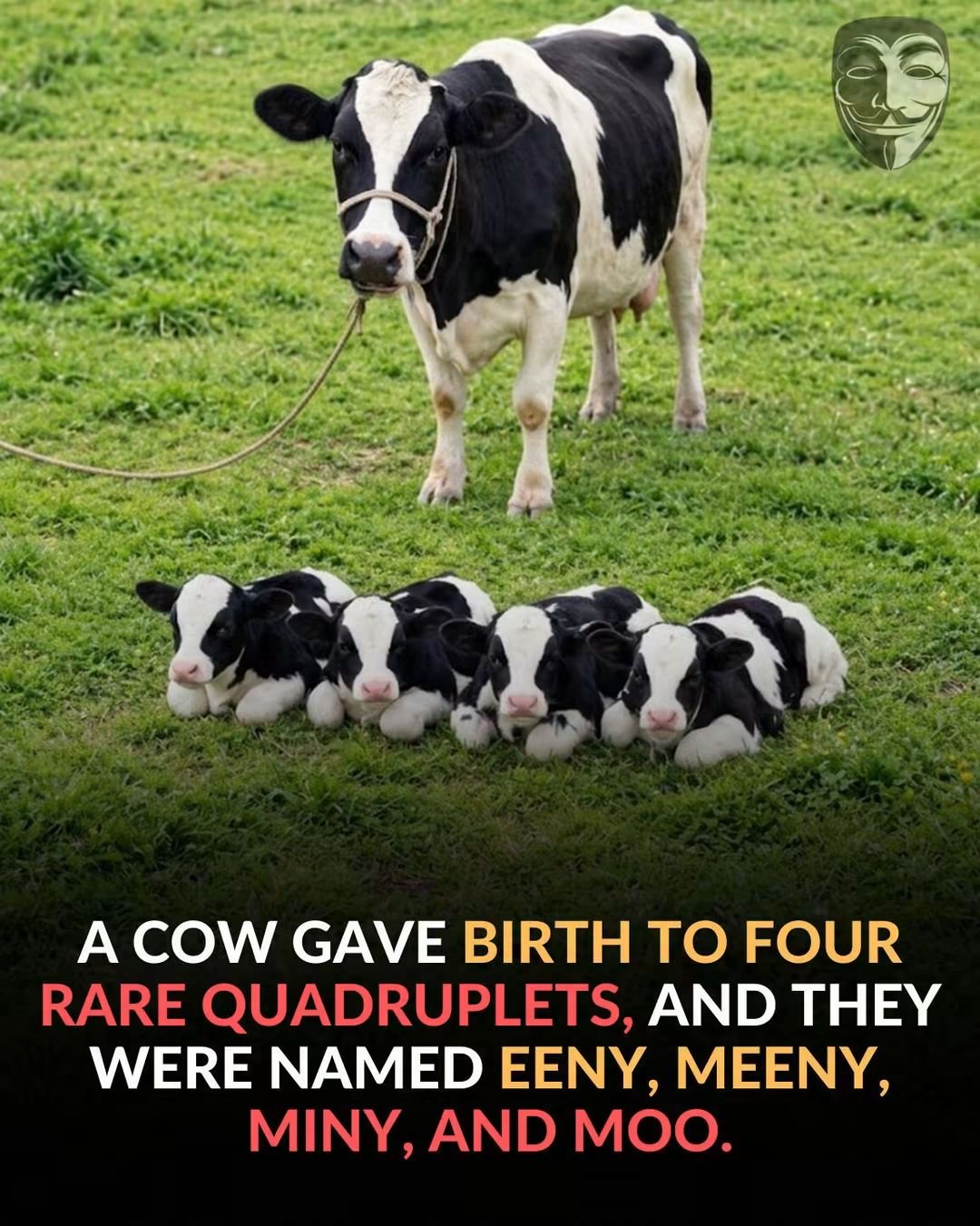
A Texas cow gave birth to rare quadruplets named Eeny, Meeny, Miny and Moo, with all four calves surviving. 🐄❤️
In 2015, a Texas farmer witnessed an extraordinary birth when a cow delivered four calves, an event reportedly estimated at odds of just one in 11.2 million. The fourth calf surprised the farmer after three had already arrived. Despite their fragile beginnings, Eeny, Meeny, Miny and Moo reportedly survived and grew into healthy calves.
#photography #CowQuadruplets #AnimalMiracle
References: Associated Press: Texas Cow Gives Birth to Rare Set of Four Calves Named Eeny, Meeny, Miny and Moo ABC News: Texas Farmer Surprised After Cow Delivers Four Calves in an Extremely Rare Birth Veterinary Research: Multiple Births in Cattle, Understanding the Rarity and Health Challenges Associated With Bovine Quadruplets
Cats can learn to respond to human cues, including their names and certain trained commands, but that doesn’t mean they will reliably follow them every time. Unlike dogs, cats are often less motivated to cooperate simply because a person asks them to.
Research on cat cognition suggests they can distinguish familiar human voices and recognize their names, while their response can depend heavily on context, motivation, and the individual cat. So the idea that cats “understand but choose not to obey” is a playful way of describing their independence—not a proven explanation for every cat’s behavior.
That raises an interesting question: does your cat usually listen when you call, or does it pretend you don’t exist? 🐈
Source/Reference: Research published in Scientific Reports on cats’ recognition of their names and human voices.
#CatBehavior #AnimalCognition #Cats #PetFacts #AnimalScience

Fall is stink bug season. Here’s how to get rid of them and keep them from coming back. FULL STORY ⬇️
https://www.wesh.com/article/get-rid-stink-bugs-house/74018596

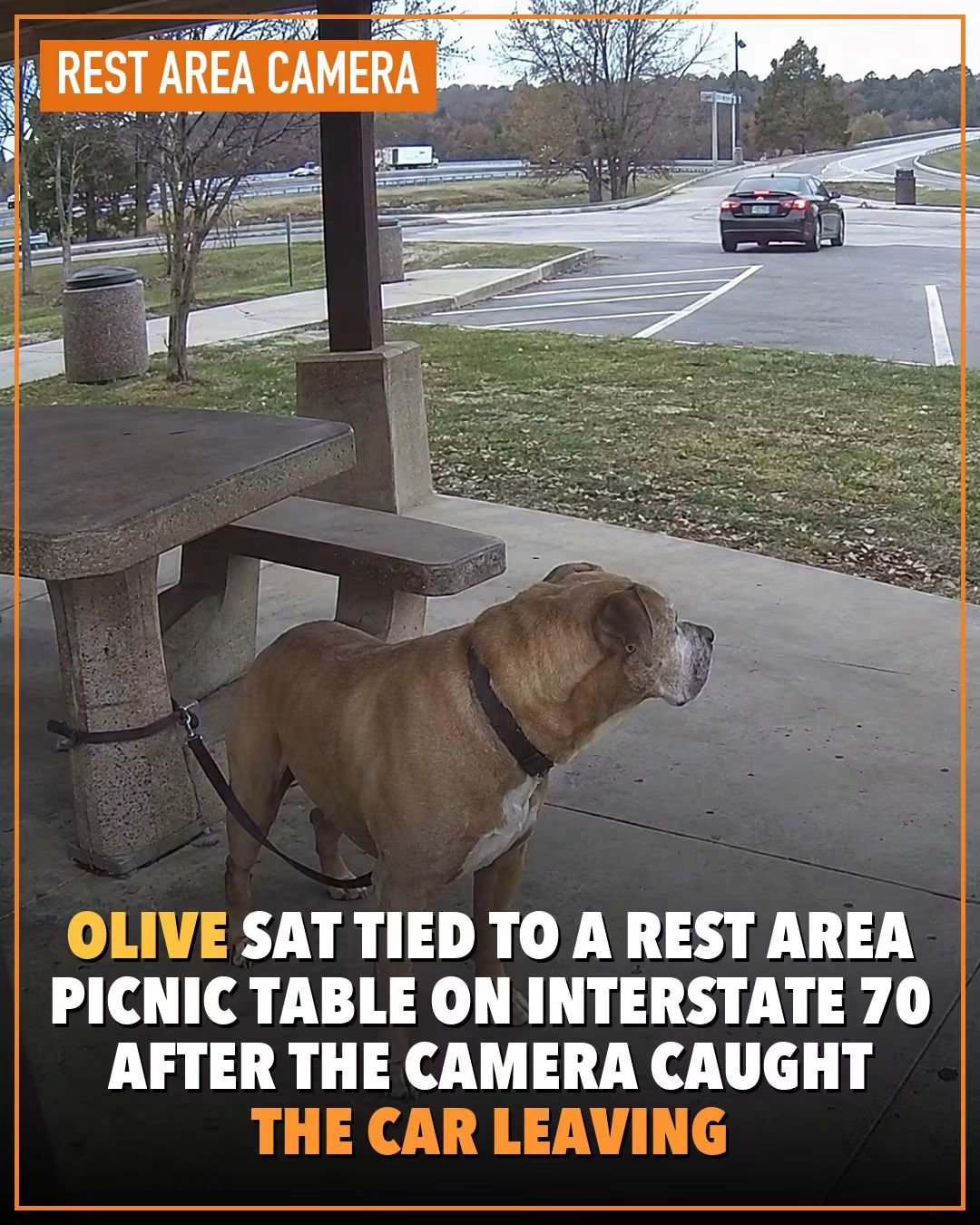
The camera on the restroom building at a rest area on Interstate 70 near Salina, Kansas, shows a dark sedan pull in a little before noon.
A woman gets out, ties an old tan pit bull mix to the leg of a picnic table and gets back in. Her car is on the ramp before the dog has finished turning around.
Luis Ortega, 66, is the caretaker at that rest area. He found the dog an hour later, lying under the table with a gray muzzle resting on both front paws.
Luis untied the leash that first afternoon. For two days the dog still wouldn’t walk away from the table. So Luis brought a moving blanket and the Vienna sausages out of his lunch, and he took his breaks on that bench.
On the third morning the dog got up when Luis’s maintenance cart came by and walked beside it for the whole route.
Luis named the dog Olive that afternoon. When his shift ended, Olive was already sitting in the cab of his pickup.
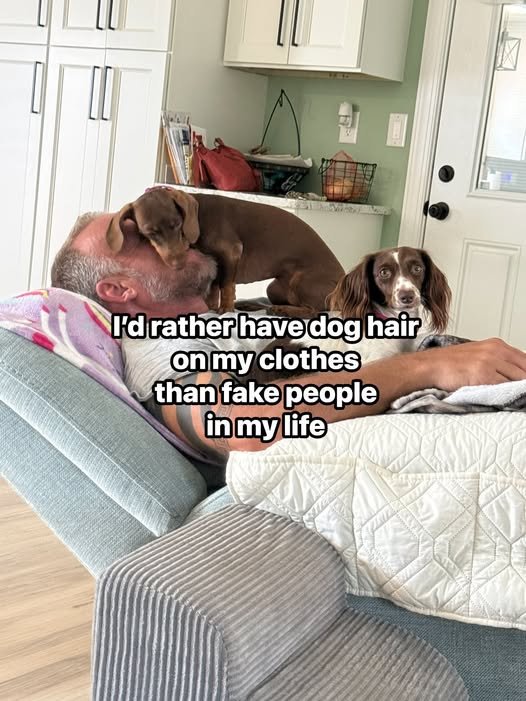
Hot take: Dog hair is a fashion accessory.
Fake people are not. 😂
So what’s worse:
Finding dog hair on your black pants before work?
Fake friends in your circle?
#realtalk #fakefriends #dogs #loyalty #doglover
Capybara Café owner’s called PETA’s allegations “factually inaccurate” and rebutted the accusations, arguing her cafés and nonprofit have done nothing wrong.

Norm Hadley can’t swim the way he used to, and he went into the Gulf in his shirt and shoes.
He went in for Skipper, his 9-year-old Lab mix. The dog had chased a tennis ball into the surf at a beach in the Florida Panhandle, same as every morning, and a rip current had carried Skipper out past the sandbar.
It took Norm about a minute to get in over his head. He’s 78. By the time he reached Skipper, the shore was a long way off and the water kept pulling.
He got one hand under Skipper’s collar and floated on his back.
Brenda Kurtz saw it from her towel. She’s a nurse from Ohio, on vacation with her sister, and she knows what a rip current does to people who swim out after someone. Running in would’ve made three to rescue. She grabbed her sister’s wrist, and then the wrist of the man on the next blanket, and yelled for a line.
People got up from all over the beach. A father handed his toddler to a stranger. Down off the boardwalk came a man in work boots, and he never took the boots off.
They linked arms and walked out. The first 10 stood in water to their ankles, and the last 10 were in up to their chins. A deputy who counted later put the chain at about 70 people.
From the far end, a college kid swam the last 30 feet with a boogie board. He got the board under Norm’s chest and kicked back toward the line. Norm held on to the board and to Skipper’s collar.
Then 70 strangers passed an old man and a dog hand over hand to the sand.
Norm sat down where the water ended, and Skipper lay across Norm’s legs and coughed up seawater. Brenda checked Norm’s pulse and wouldn’t let him stand for 20 minutes.
Nobody in that line let go until the last person was back on the beach. A woman who’d been in up to her neck sat down in the sand and laughed until she cried.
Norm still walks Skipper on that beach every morning. The tennis ball stays in his pocket until the flags are green.
Have you ever joined a line of strangers for somebody you’d never met?

The worst night of the year at an animal shelter is the Fourth of July.
Ramona Ellis found that out in 2015. She was a volunteer at a county shelter in southwest Missouri, and she came in on the morning of July 5 to walk dogs. A shepherd in the back row had chewed through a steel water bowl overnight. Three other dogs wouldn’t come out from under their cots.
The fairgrounds fireworks go off less than a mile from the building, and the staff goes home at 6.
A year later Ramona asked the director for a key. She was 62 then, a retired school librarian. On July 4, 2016, she carried a lawn chair and a paperback into the kennel of the most frightened dog in the building and read out loud from 8 until midnight.
She did one kennel. The shelter had 58 dogs.
By the following June she had a signup sheet on the front counter.
Nine people came that first year with their own chairs. The year after, 21 did. A man who drives a cement truck sat with a 90-pound pit mix named Hobbs four years in a row, until somebody adopted Hobbs. Then the driver asked for the next biggest dog.
There are rules. No flash pictures. You sit low and let the dog decide how close to get.
This past July 4, 46 neighbors showed up at 7:30 with lawn chairs and books, Ramona among them. The shelter had 44 dogs that night, so two kennels got a second person.
Ramona took the last kennel on the left. A gray mastiff mix named Tilly had come in three days earlier. When the first shells went off at 9:40, Tilly crawled halfway into Ramona’s lap and shook. Ramona kept reading.
By 10:30 it was over. Down both rows, people were sitting with dogs asleep against their legs.
On the morning of July 5 the director walked the building and found every water bowl in one piece.
Three of the 46 went home that week with the dog they’d sat with. The cement truck driver was one.
Tilly went home with Ramona.
Have you ever sat up with a dog through the fireworks?

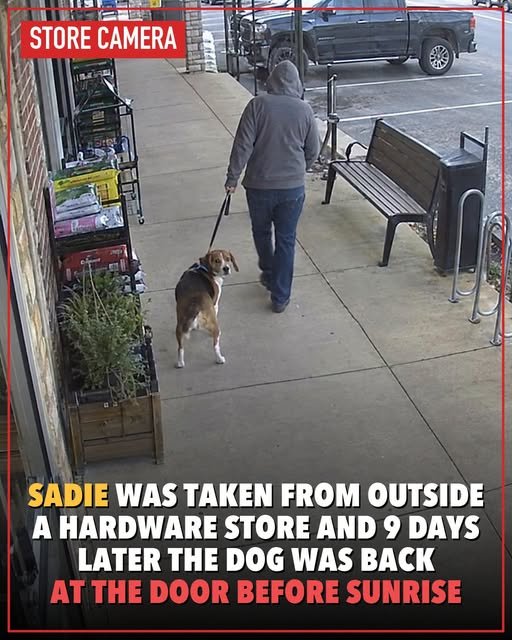
Ruth Ann Decker, 73, tied her beagle mix, Sadie, to the bench outside Kessler’s Hardware in Fort Wayne, Indiana. She went in for furnace filters and was inside for four minutes.
The camera over the door shows a person in a gray hood untie the leash and walk Sadie up the sidewalk. Sadie pulls back the whole way, looking at the store.
Ruth Ann put up flyers and called every shelter in Allen County. Gary Kessler printed a still from the video and put it in his front window.
Nine days went by.
On the 10th morning, Gary came in the back way early and checked the overnight video out of habit. At 4:52 a.m., a beagle mix walks into the frame dragging a chewed rope. The dog sniffs the bench and lies down under it.
Sadie was still under the bench when Gary got to the front door. He called Ruth Ann before he’d even unlocked it.
She was there in six minutes, in her house slippers.
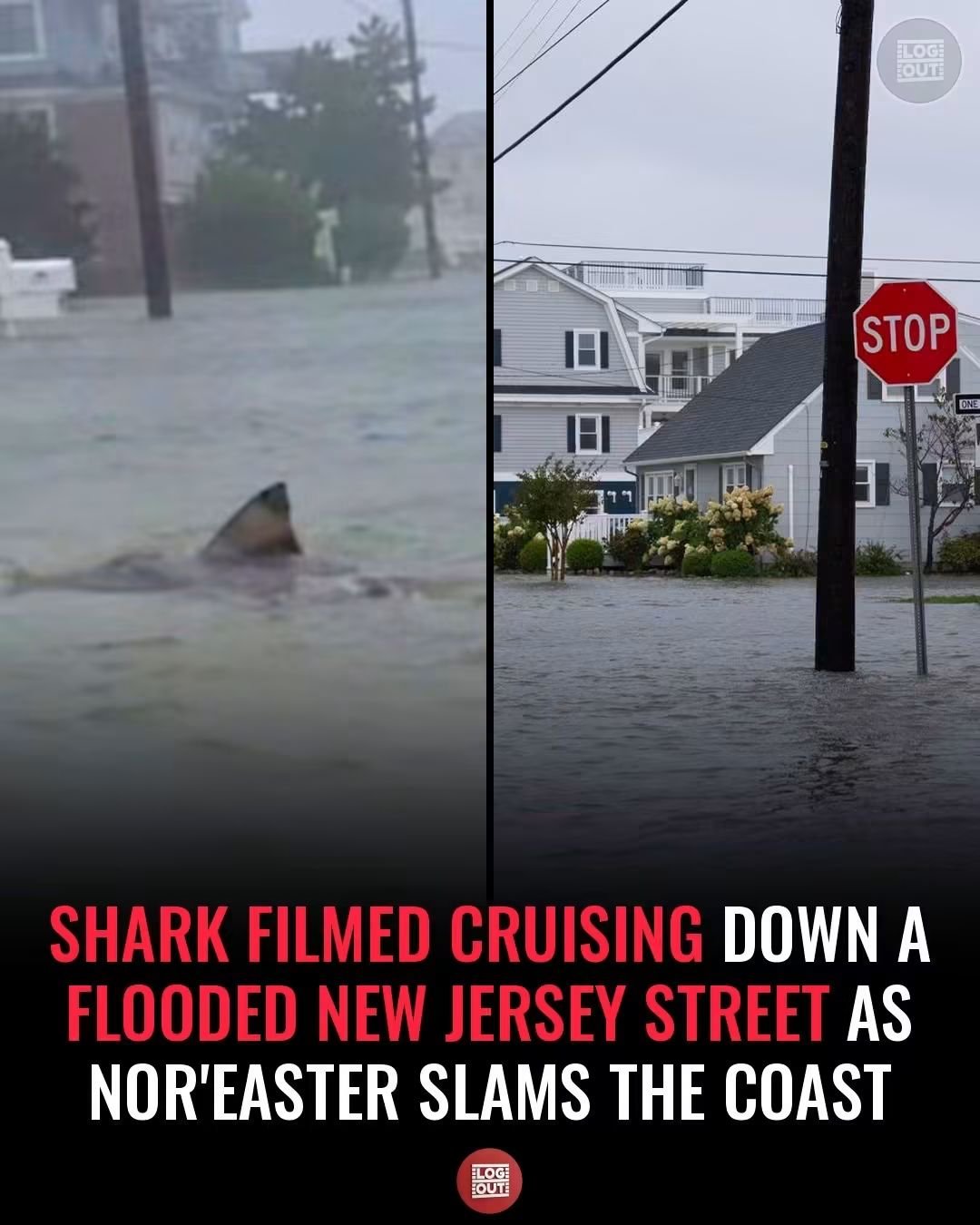
Imagine looking out at a flooded Jersey Shore street and seeing a shark fin cutting through the water.
That’s what residents in Surf City, New Jersey, witnessed during a powerful nor’easter on Saturday, September 26, 2026, when floodwater pushed into the Long Beach Island neighborhood near Barnegat Bay.
Drew Procaccino captured video of the unexpected visitor swimming past his home around noon. In the clip, someone can be heard asking, “Is that a shark?” as the small shark’s dorsal fin and tail skim the surface of the street water. It briefly disappeared up a driveway before later being seen heading west toward Barnegat Bay.
Procaccino told Storyful, “At first we thought it was just a fish, which would have been cool, but a baby shark was even better.”
ABC News reported that shark researcher Dr. Greg Skomal, of the Massachusetts Division of Marine Fisheries, identified the animal as a smooth dogfish. These sharks are common off the Jersey Shore, especially in late summer and fall, and can grow up to about 5 feet long. They feed on crustaceans, squid, and other fish.
The shark may have been the viral moment, but the storm behind it was serious. Reports said Surf City saw major coastal flooding, strong winds, dangerous surf, and power outages across parts of the East Coast. New Jersey also declared a state of emergency in several counties as the nor’easter brought flooding, beach erosion, heavy rain, and damaging winds.
A street shark is the kind of bizarre storm footage people don’t forget anytime soon.
What’s the strangest thing you’ve ever seen during a storm?
#JerseyShore #Shark #NorEaster #ViralVideo
Sources: USA TODAY, New York Post, Yahoo News
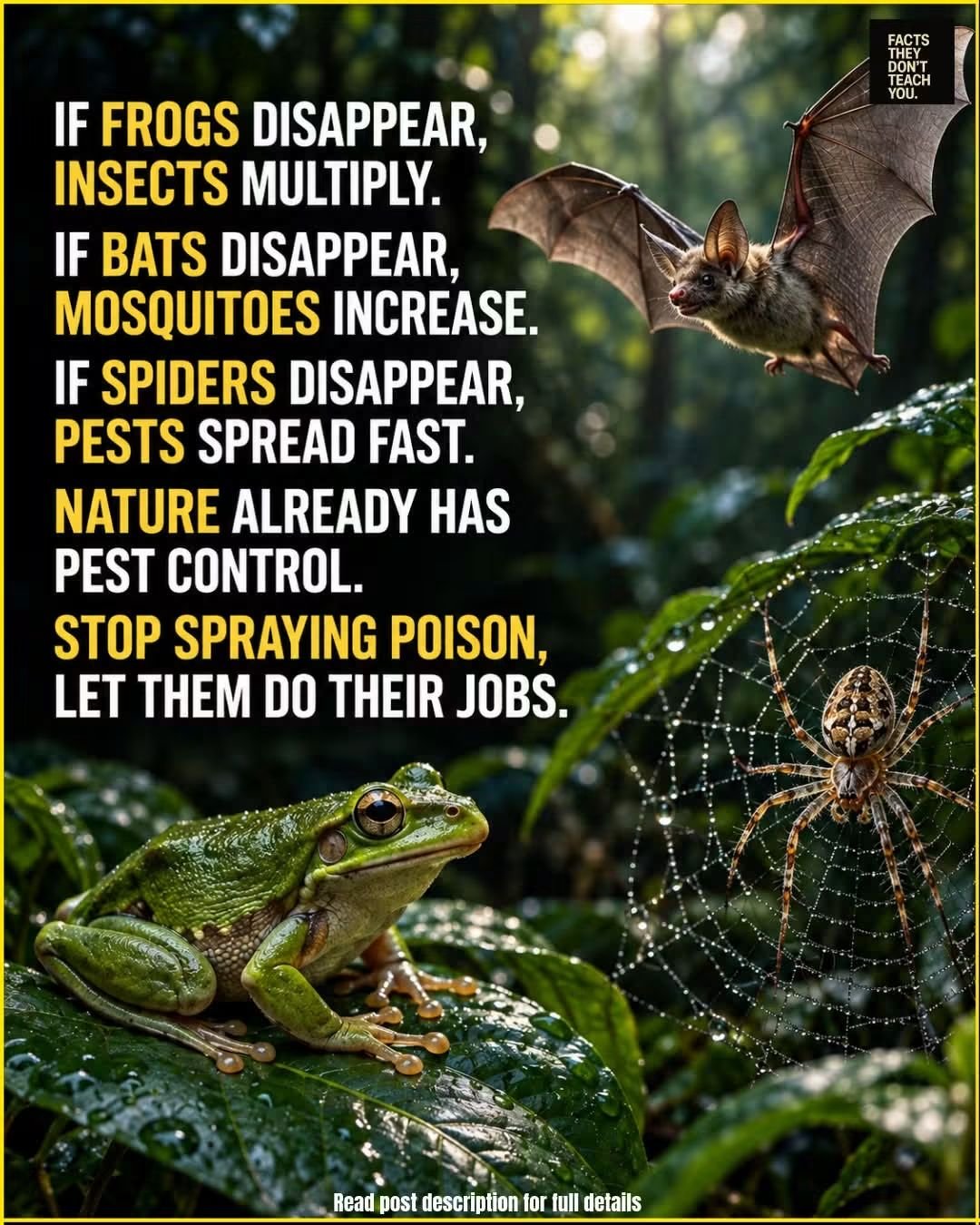
Frogs, bats, spiders, and dragonflies are more than just creatures we happen to find around our homes and fields. They are part of the natural system that helps keep insect populations in check.
A frog can consume large numbers of insects, bats feed on flying insects, and spiders capture countless prey in their webs. Even dragonflies contribute at an earlier stage of their lives: their aquatic nymphs eat mosquito larvae and other small aquatic organisms.
None of this means nature’s predators can eliminate every pest, or that agriculture can simply stop using pesticides. Ecosystems are far more complicated than that. But it does show why indiscriminate chemical use can have consequences beyond the insects we are trying to control.
When pesticides affect beneficial predators and pollinators along with pests, we can end up weakening some of the very organisms that help ecosystems function.
That’s why protecting habitat matters.
Healthy wetlands give amphibians and dragonflies places to reproduce. Native plants provide food and shelter for insects, birds, and other wildlife. Reducing unnecessary chemical use gives beneficial species a better chance to survive and continue doing what they have evolved to do.
Nature already has its own pest-control network.
Sometimes the best thing we can do is protect the habitat that allows that network to keep working.

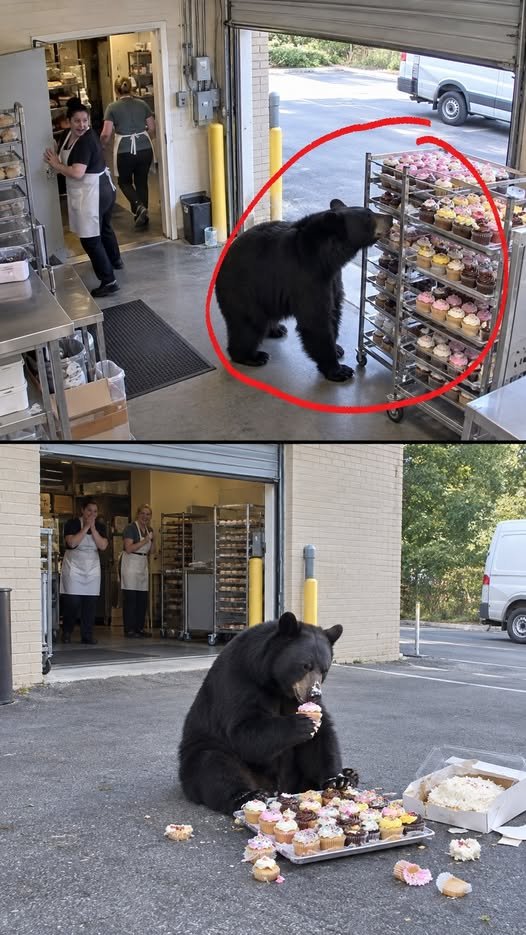
A black bear walked into a Connecticut bakery and helped itself to enough cupcakes for an entire party.
Employees at Taste by Spellbound in Avon were loading cakes into a delivery van when one worker looked up and saw a black bear approaching the rear garage.
She tried shouting to scare it away.
The bear briefly retreated—but returned three times, eventually strolling into the loading area as the employees hurried back inside and closed the kitchen door.
Apparently, the unexpected customer had already decided the bakery was open.
Security footage captured the bear dragging a container of cupcakes out of the garage and into the parking lot. According to the bakery’s owner, approximately 60 cupcakes were eaten or destroyed, along with some coconut cake.
The employees finally persuaded the bear to leave by repeatedly honking a car horn. Police and wildlife officials arrived shortly afterward, but their suspect had already disappeared into the neighborhood.
Fortunately, nobody was injured.
The bakery lost dozens of cupcakes that morning—but gained one very memorable customer who apparently preferred takeout and had absolutely no intention of paying.
Has anyone possibly seen this dog, he’s been my mom’s dog for almost 15 years and it’s devastating. He’s completely blind and it makes it crucial he hardly walks so it’s insane to believe he ran away. Somebody has to know something he was last seen on the corner exactly of SE 12th TERRACE AND SE 2ND PLACE if anyone has cameras or anything pleaseeee help us out, he was obsessed with the lake near funeral consumers alliance sw Florida chapter which is minutes away from where he was last seen. we’ve searched the entire pond nothing 😭pleaseeeeee somebody tell me the baby is safe or someone took him in for a night


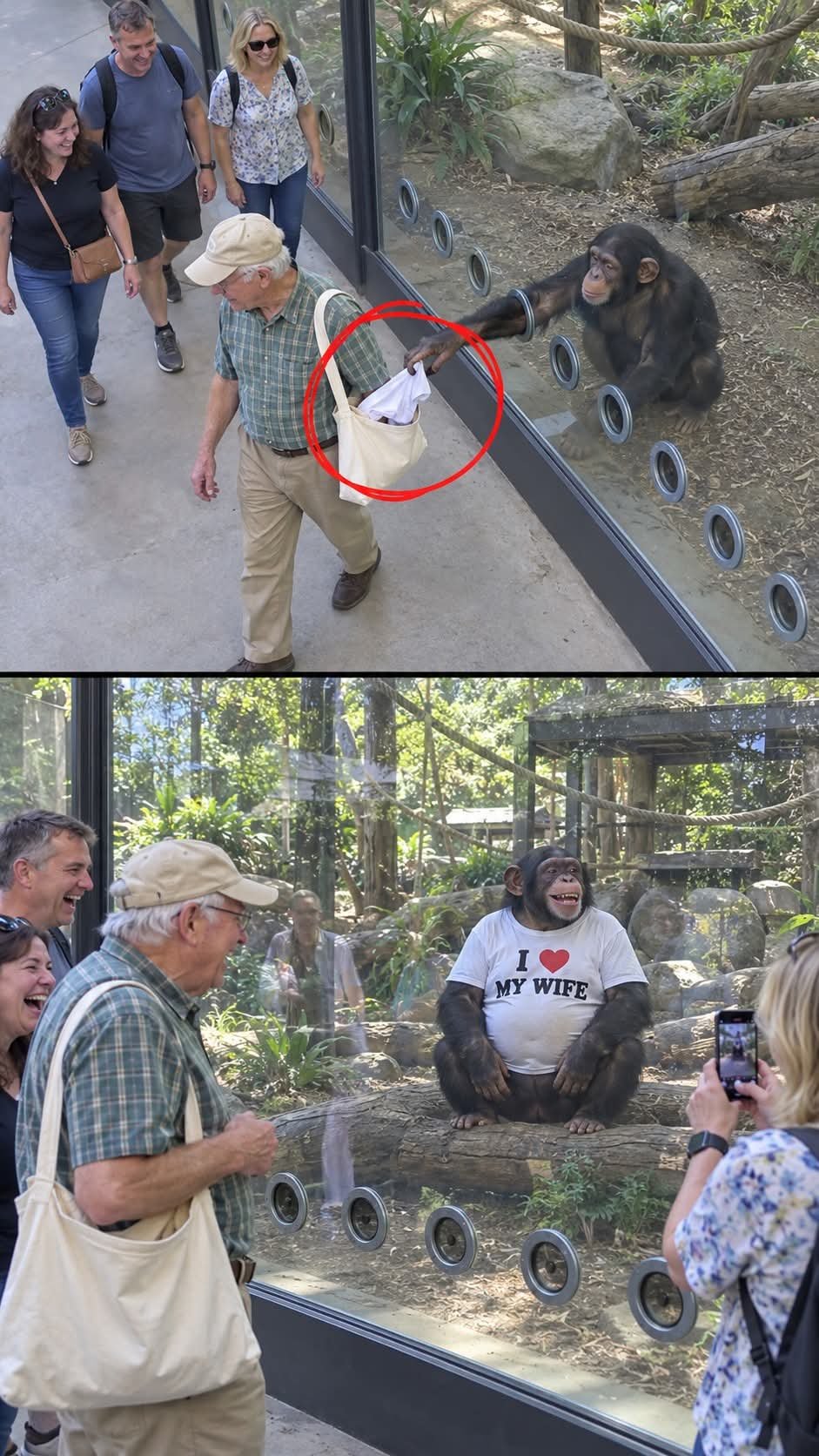
Zoo visitors couldn’t stop laughing after a young chimpanzee stole something from an elderly man—and immediately put it on.
The man was walking past the glass enclosure with an open canvas bag hanging from his shoulder. Inside, the young chimp had just finished eating and was sitting nearby with a very full, round belly.
As the man passed one of the ventilation openings, the chimp quietly reached an arm through the glass and pulled a folded white T-shirt from the bag.
The man never noticed.
A few minutes later, laughter erupted around the enclosure. When the elderly visitor turned around, he found the chimp sitting proudly on a log, wearing his missing shirt.
The shirt was clearly too tight around the chimp’s enormous post-lunch belly. But the funniest part was the message printed across the front:
“I ❤️ MY WIFE.”
The old man checked his bag, looked at the chimp, and immediately understood what had happened. Instead of getting angry, he started laughing with everyone else and pulled out his phone to take a picture.
The chimp had already eaten enough for one day.
Apparently, it was shopping for a new outfit.
#wholesome #animals #chimpanzee
Guard dogs vary in instinct, trainability, size, and temperament. German Shepherds, Dobermans, Rottweilers, and Belgian Malinois are common choices, but training and socialization are key.

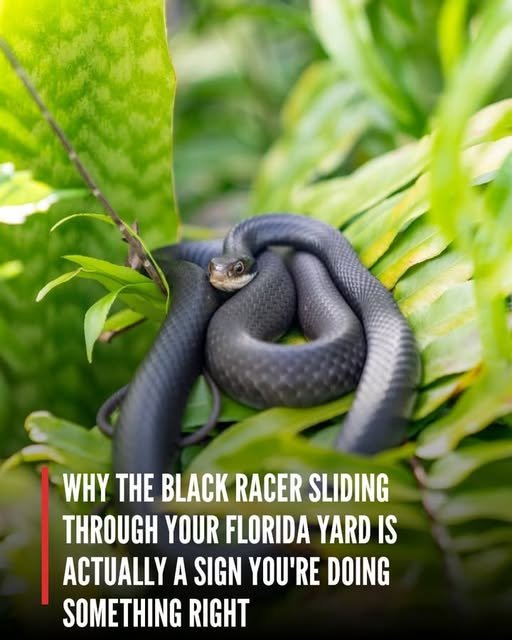
That black racer cutting across your Florida lawn means your yard is holding the insects, lizards, and cover a healthy ecosystem runs on. It’s a predator that keeps rodents and pests in check, and it wants nothing to do with you – the shovel is the only real hazard here.
Florida Exotic Fair is coming to Sarasota on October 25th! 🩵

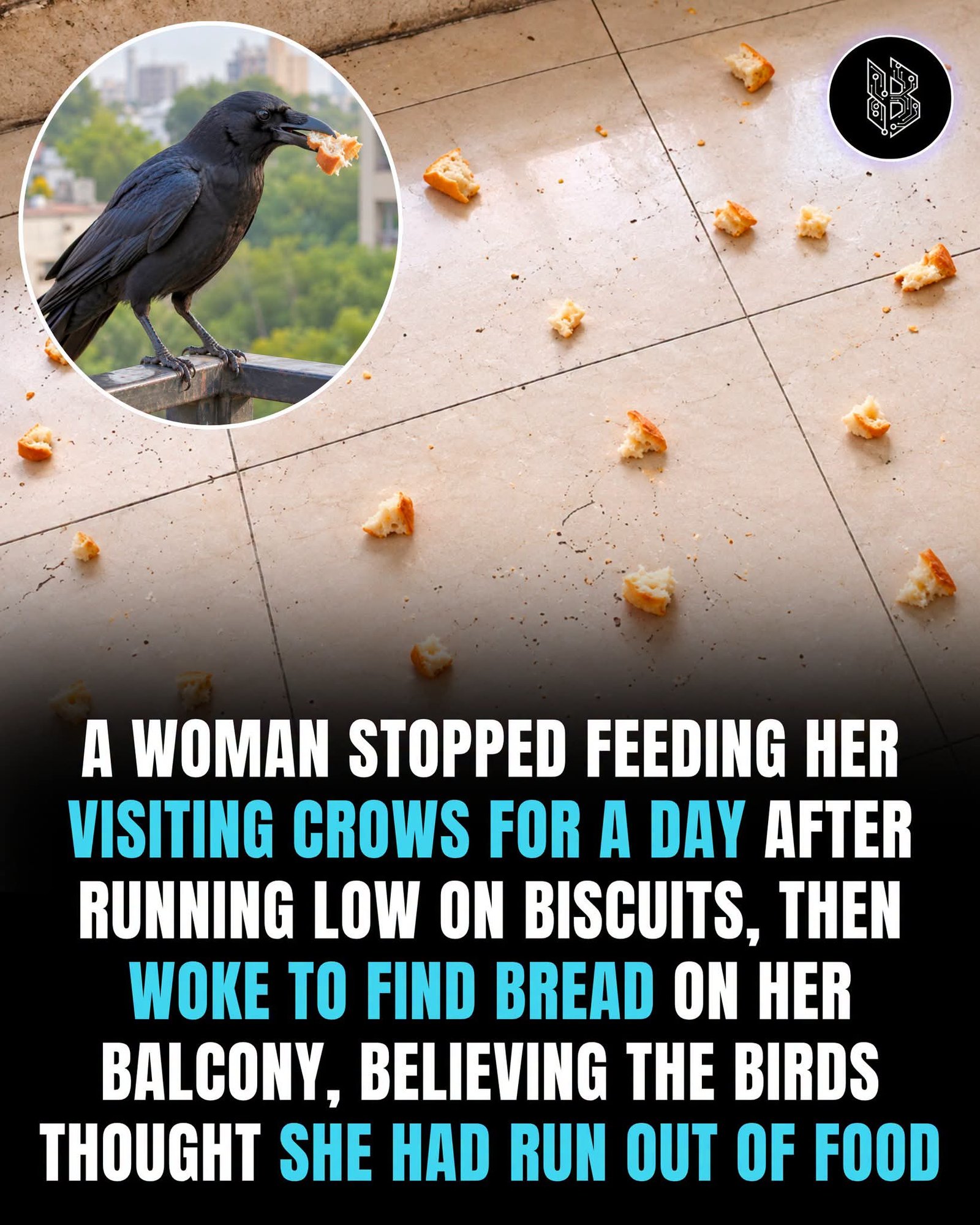
A woman who regularly fed a group of crows noticed she was running low on biscuits, so she skipped feeding them for a day. The next morning, she reportedly woke up to find pieces of bread placed on her balcony.
She believed the crows had somehow noticed that their usual food was missing and had brought something back in return — almost as if they were trying to make sure she had something to eat too. The unexpected gesture left her amazed by the bond she had developed with the birds.
Whether the crows actually intended to “repay” her is impossible to know, but their behavior made for a wonderfully wholesome story about how repeated kindness toward animals can sometimes lead to surprising encounters.
#CrowStories #AnimalIntelligence #KindnessToAnimals #NatureStories
Indiana’s House Bill 1165 introduces new legal protections for people who rescue animals from hot cars, creating what is effectively a Good Samaritan-style rule for emergency intervention.
The law allows individuals to break into a vehicle to save a domestic animal, such as a dog or cat, if they reasonably believe the animal is in immediate danger, particularly from extreme heat or lack of ventilation.
Under the previous legal framework, someone who damaged a vehicle in the process of rescuing an animal could potentially be held financially responsible for repair costs or face civil liability.
The new legislation removes that risk, granting immunity from both civil and criminal liability for property damage, provided specific conditions are met.
To qualify for protection, the person must take reasonable steps before acting, including confirming that the vehicle is locked and attempting to contact emergency services, such as 911. They must also use only the minimum force necessary to gain entry and remain with the animal until authorities or emergency responders arrive.

🐍 Snake Island: The Brazilian Island Where a Rare Venomous Snake Rules
Imagine an island surrounded by beautiful blue ocean, covered in lush green forest and dramatic rocky cliffs — but one of its most famous inhabitants is a snake found nowhere else on Earth.
This is Ilha da Queimada Grande, better known as Snake Island, located off the coast of São Paulo, Brazil.
The island is home to the golden lancehead (Bothrops insularis), a highly venomous pit viper that is endemic to the island. That means this species naturally occurs there and nowhere else in the world. 🐍🌿
The golden lancehead’s venom is medically significant and can cause severe local tissue damage, bleeding and other serious effects. A bite can be potentially life-threatening without appropriate medical treatment.
You may have seen claims that there is “one snake for every square meter” or that you “can’t take three steps without encountering a snake.” Those statements are popular online, but they are sensationalized. Snake density is not uniform across the entire island, and the famous “one snake per square meter” figure comes from older estimates and should not be treated as a literal measurement of every part of the island.
Another fascinating fact: the golden lancehead became isolated on the island after rising sea levels separated the land from mainland Brazil. Over generations, the isolated population evolved distinctive characteristics.
Because the species is critically endangered and the island presents significant safety concerns, access is restricted.
🌊 Beautiful from above. Dangerous up close. And home to one of the world’s most unusual snakes.
Would you ever visit Snake Island if you were allowed to? 👀🐍
Educational note: The snake image in this post is an illustrative representation and not necessarily a photograph of a snake actually taken on Snake Island.

Canada geese are famous for being fiercely territorial during nesting season.
They have been known to nest in surprisingly dangerous places, near roads, on rooftops, in flowerbeds, and occasionally even in or near the nests of much larger birds such as bald eagles.
The reason isn’t bravery for its own sake. Eagle nests are usually built in elevated, protected locations that many ground predators can’t easily reach.
A determined goose may see an occupied eagle nest as prime real estate and decide it’s worth the risk.
In some documented cases, geese and eagles have ended up sharing the same nesting area, leading to tense standoffs and constant squabbling.
What’s especially surprising is that geese often rely on their aggression as a defense strategy.
While an eagle is a powerful predator, an adult goose can be large, loud, and extremely persistent when protecting its eggs.
The eagle may decide that attacking a highly defensive goose simply isn’t worth the effort.

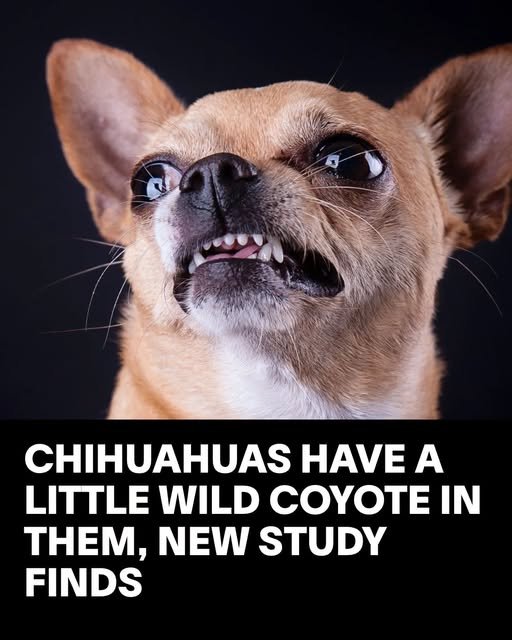
New genetic research identified DNA segments shared with coyotes in a Chihuahua, revealing an unexpected link to ancient canine ancestry.
🦡 The Honey Badger That Refused to Give Up
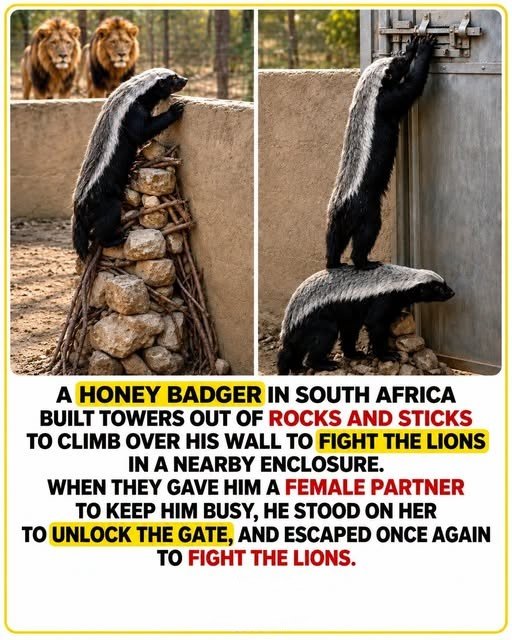
In a South African animal enclosure, a honey badger named Stoffel became famous for repeatedly finding clever ways to escape.
Stoffel was kept in an enclosure near lions, and according to accounts from caretakers at the Moholoholo Wildlife Rehabilitation Centre, he repeatedly tried to get out. He was remarkably persistent—and surprisingly good at using objects around him to solve problems.
At one point, he reportedly piled rocks and branches against the enclosure wall, creating a makeshift climbing structure that helped him get over the barrier.
But that wasn’t the end of his escape attempts.
When a female honey badger was placed with him, Stoffel reportedly used her as a platform, standing on her back to reach the gate mechanism. He then managed to manipulate the gate and escape again.
What makes the story fascinating isn’t just that he escaped—it is the way he used his surroundings as tools and repeatedly adapted when his previous methods were stopped.
Honey badgers are already known for their strength, curiosity, persistence, and ability to manipulate objects. Stoffel’s behavior became a memorable example of the problem-solving abilities that can sometimes be seen in captive animals.
🧠 Sometimes, the most impressive escape plan isn’t strength—it’s figuring out what you can use around you.
Would you have expected a honey badger to be this resourceful? 🦡😳
Our Jack Russell escaped during the storm earlier on the HWD Rez his name is Pepe PLEASE If anyone sees him please get ahold of Imahaggi or myself 😢 he’s almost 10 we’ve had him since a itty bitty puppy 💔 he talks a lot of smack/turkey. He’s really not mean or growling !!
IMAGINE LIFTING THE TOILET SEAT AND FINDING A SNAKE STARING BACK AT YOU.
Snakes have occasionally been found inside toilets, usually in rare situations where they enter sewer or plumbing systems and navigate through pipes before emerging through the bowl. Their ability to swim and squeeze through tight spaces can make such encounters possible, although they remain extremely uncommon.
Supporters of the information say it is a fascinating reminder of how adaptable snakes can be. Their ability to move through water and confined spaces allows them to survive in environments that may seem completely inaccessible, making unusual encounters like these possible under the right conditions.
Critics point out that viral posts about snakes in toilets can make the situation seem far more common than it really is. In reality, these encounters depend heavily on the plumbing system, location, and snake species. Sometimes nature finds its way into the most unexpected places.
#Snakes #NatureFacts #Wildlife #DidYouKnow
Deep beneath the waters of the East China Sea and the Pacific, a remarkable animal has been quietly building a life that can span thousands of years. The glass sponge Monorhaphis chuni anchors itself to the seafloor with a single enormous spicule made of biosilica, which can grow several meters long and become remarkably thick.
Unlike trees, these creatures have no roots, leaves, or branches. They live in the darkness of the deep ocean, filtering nutrients from the surrounding water while slowly adding layers of silica to their skeletal structure. These layers can preserve chemical clues about the conditions of the ocean as they formed, giving scientists a rare record of changes in deep-sea environments over long periods.
Some estimates have suggested that individual Monorhaphis chuni may reach ages of more than 10,000 years, although the exact ages of such organisms and the methods used to estimate them remain subjects of scientific study.
If those estimates are correct, these nearly motionless animals began their lives thousands of years before many of the civilizations we know today. While human history unfolded on the surface, they continued growing slowly in the darkness below.

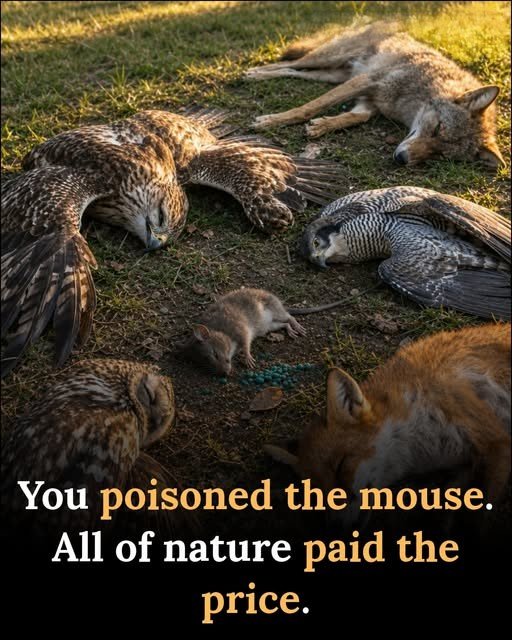
You didn’t just poison a mouse. You poisoned an entire food chain.
When we see a rodent in our yard or garage, it’s easy to reach for poison—it feels like a quick fix. But what happens next is something most people never witness. That poisoned mouse stumbles outside, weak and disoriented, becoming an easy meal for the very predators that naturally keep rodent populations in check. An owl swoops down. A hawk feeds it to its chicks. A fox, coyote, or family pet eats it. The poison doesn’t stop with the mouse. It moves up the food chain, causing internal bleeding, organ failure, blindness, and slow deaths for animals that did nothing more than eat their natural prey.
Wildlife rehabilitation centers regularly treat birds of prey testing positive for rodenticides. Many recover. Many don’t.
The animals providing free, natural pest control are being k*lled by poisons meant to eliminate pests. Fewer predators means more rodents. More rodents often lead to even more poison. It becomes a cycle that unravels the entire ecosystem.
Nature spent millions of years creating balance. Owls, hawks, foxes, snakes, weasels, and coyotes all play vital roles in keeping rodent populations in check. When we remove them from the equation, we create a problem far bigger than a single mouse.
If you’re dealing with a rodent problem, there are safer alternatives: seal entry points, store food securely, remove outdoor attractants, use snap traps when necessary, and encourage natural predators by protecting habitat and installing owl boxes. Let’s choose solutions that protect both our homes and the incredible web of life we all depend on.
🚐 Your Pet’s Spa, Right at Your Door! 🐾
Skip the traffic and the stressful waiting rooms. We bring a fully equipped grooming salon straight to your home in Miami-Dade & Broward! 🚗✨
✨ Why Pet Parents Love Us:
• Stress-Free & Cage-Free: 1-on-1 personalized attention for dogs and cats.
• Full-Service Care: Baths, haircuts, de-shedding, and more.
• VIP Quality: Premium products always included!
📅 Book Today!
Message us on WhatsApp for pricing and immediate availability.
👇 Tap below or text us at:
📱 786-872-6077

A five-foot alligator surprised visitors on Sanibel Island, swimming near the shore while people were still in the water.

Humans slaughter an estimated 80–90 billion land animals annually for food, along with hundreds of billions, possibly trillions, of fish and other marine animals.
When those numbers are compared to the world’s human population of roughly 8 billion people, the result is startling: if animals somehow killed humans at the same rate, humanity would disappear in a matter of days.
Of course, this is a thought experiment rather than a literal prediction. Animals don’t organize mass hunting campaigns against humans, and most species spend their lives simply trying to survive.
The fact is meant to highlight the enormous scale of humanity’s impact on other life forms.
No species in Earth’s history has altered ecosystems, hunted wildlife, raised livestock, and harvested marine life on a scale even remotely comparable to modern humans.

В Институте исследований морских млекопитающих (Миссисипи) ученые решили научить дельфинов чистоте. Формула казалась безупречной: подбираешь мусор в бассейне, несешь тренеру — получаешь рыбу.
Но они не учли, что в бассейне жила дельфиниха по имени Келли — гений корпоративных уловок и пассивного дохода.
Келли быстро сообразила, что за любой обрывок бумаги — неважно, гигантский это лист или клочок — дают ровно одну рыбу. Вместо того чтобы честно сдавать найденную бумажку, она спрятала её под камень на дне. Когда приходило время перекуса, Келли отплывала к камню, аккуратно отрывала крошечный кусочек и шла «кассировать» награду. Один лист — десятки порций.
Когда в бассейн по неосторожности залетала чайка, Келли ловила её и сдавала руководству. За крупную птицу давали целое ведро рыбы. Келли оценила маржинальность бизнеса и изобрела инвестиционную стратегию: она перестала съедать всю рыбу, а использовала её как венчурный капитал. Келли выкладывала рыбешку на воду, терпеливо ждала чайку, ловила её и меняла на ведро рыбы.
Поняв, что схема работает, Келли обучила «стартапу» своего детеныша, а тот раздал франшизу остальным дельфинам. Вскоре весь бассейн превратился в эффективную мафиозную группировку по крышеванию и отлову местной пернатой фауны.
Ученые хотели научить дельфинов уборке, а в итоге случайно вырастили топ-менеджеров с идеальным пониманием оптимизации процессов и отложенного вознаграждения.

Kh’amorion Taylor was only two years old when he somehow got out of his father’s St. Louis home alone, wandering the street in his pajamas with no shoes. A neighbor out walking her own dogs spotted him around 8am and immediately noticed something unusual, a large stray pit bull was staying right beside him, seemingly guarding him as he walked. Nobody had trained that dog to do this, he had no known owner and no reason to feel responsible for a toddler he’d never met.
The neighbor spent the next several hours going door to door trying to find someone who recognized Kh’amorion, and through all of it, the dog never left his side. Eventually his father saw a social media post and the two were reunited, with Kh’amorion repeating “puppy” the entire time, as if he understood exactly who’d helped keep him safe. The St. Louis Police Department later considered adopting the dog themselves after the story spread. What do you think it says about a stray dog with no home of his own that his first instinct was to protect a lost child rather than just wander off on his own?

A 6-year-old boy named Reese burst into tears after meeting a friendly dog who had been left alone outside a gas station in Columbus, Georgia.
The encounter happened during Labor Day weekend in 2026.
Reese was traveling with his parents, Alexandra and Rollins Luckey, as they drove from Florida to their home in Atlanta.
When the family stopped for gas, a large pit bull greeted them outside the station.
The dog walked directly toward the family and immediately showed them affection. He behaved like someone’s beloved pet, but there was no owner in sight.
Employees inside the gas station told the Luckeys that the dog had been there for a long time and that they didn’t know who owned him.
Reese quickly fell in love with his sweet personality.
When the little boy realized the dog had been left there alone, he became overwhelmed and started crying.
He couldn’t understand how anyone could abandon such a loving animal.
“We can’t just leave this animal here,” Reese told his parents.
Alexandra and Rollins looked at the lonely dog and then at their heartbroken son.
Taking an unfamiliar dog home from a gas station had never been part of their road-trip plans.
But leaving him behind no longer felt like an option.
Alexandra opened the car and welcomed the dog inside.
Reese’s tears immediately turned into a smile.
The family posted the dog’s photograph in a local lost-pets Facebook group, hoping to learn where he had come from.
They were told by a community member that his previous owner had neglected him and no longer wanted him.
The Luckeys decided he would never be unwanted again.
Reese named him Clark and officially welcomed him into the family.
Clark quickly settled into his new home. He began running around with the family’s other dog, Bunny, climbing into Rollins’ lap and covering him with kisses.
For Reese, the dog he had cried over at a gas station became his new best friend.
Clark had spent his days waiting outside as strangers came and went.
Then one family stopped.
And one little boy cared too deeply to leave without him.

Florida’s Coastal Corridor is a statewide initiative to connect marine habitats along the Gulf and Atlantic coasts. The second deployment just began off Destin-Fort Walton Beach.
1,500 tons of repurposed concrete culverts — three million pounds — are being dropped into the Gulf of Mexico. They’ll form three artificial reefs, each containing about 500 tons of concrete.
The reefs are located four to eight nautical miles from East Pass, at depths of 68 to 74 feet. Workers are arranging the culverts in dense, concentrated configurations to create tall structures on the ocean floor.
The Gulf’s seabed is mostly sand. There’s very little hard surface for marine life to attach to. The hollow concrete pipes change that. Algae, sponges, barnacles, and soft corals attach to the concrete. They become food and shelter for crabs, baitfish, and larger species like grouper and snapper.
Thoughtfully planned artificial reefs can play an important role in conserving and enhancing marine habitat while supporting the long-term health of Florida’s fisheries, said Roger Young, executive director of the Florida Fish and Wildlife Conservation Commission.
The project is led by Okaloosa County’s Natural Resources Team, the Fish & Wildlife Foundation of Florida, and FWC. It’s part of a larger effort to build a coordinated network of habitat projects along Florida’s coasts.
The first deployment under the Coastal Corridor initiative took place off Naples on September 2. This phase in Destin-Fort Walton Beach is expected to be complete in November 2026.
Okaloosa County has one of the most active artificial reef programs in the United States. It manages hundreds of approved sites, including sunken tugboats, military targets, and concrete reef structures.
We appreciate the Fish & Wildlife Foundation of Florida for choosing Destin-Fort Walton Beach to add to our already vibrant artificial reef system, said Okaloosa County Board Chairman Trey Goodwin.
SOURCES: WKRG | Destin Chamber | Times of India | Fish & Wildlife Foundation of Florida | FWC

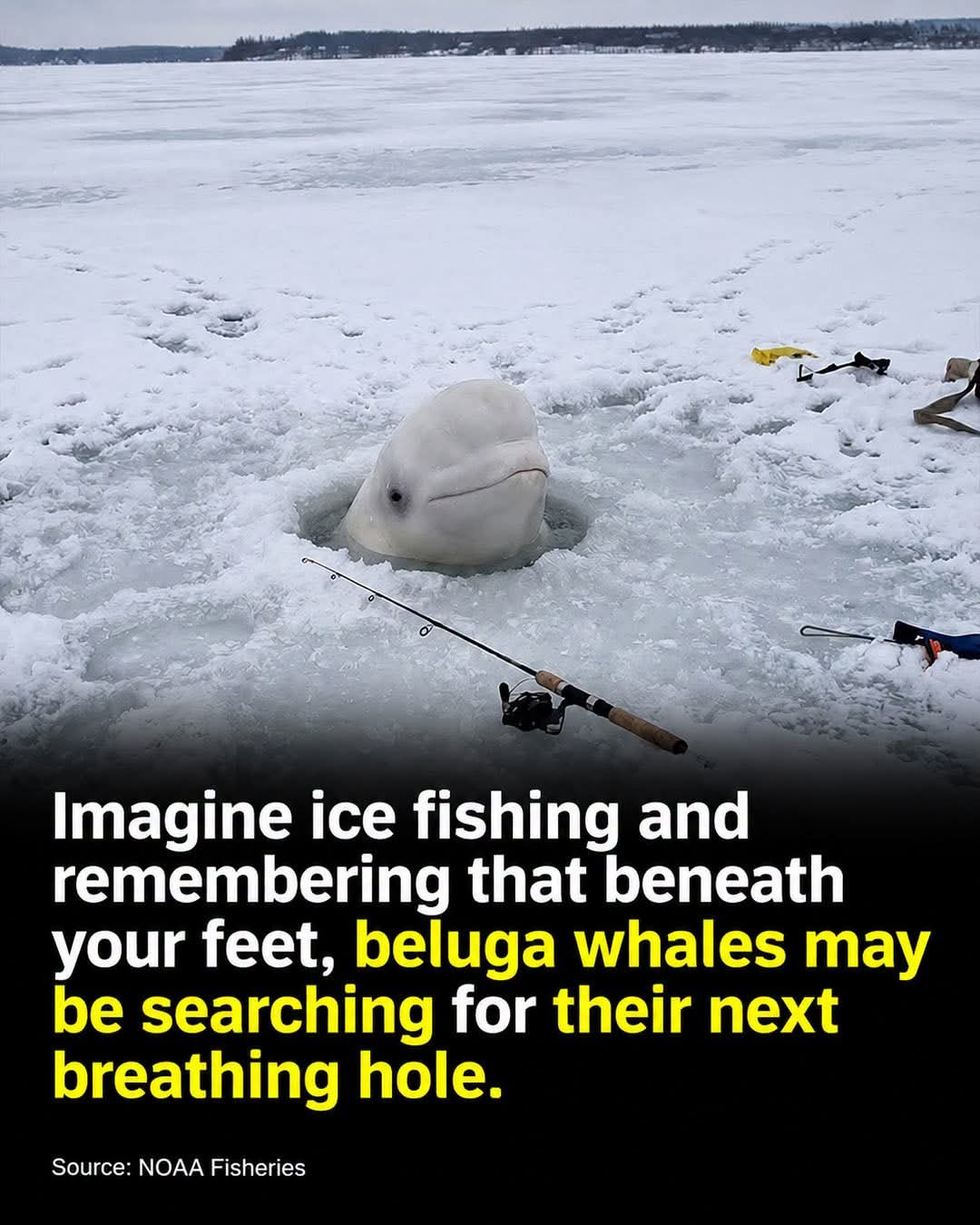
Ice fishing feels very different when you remember what may be swimming underneath you.
Beluga whales spend much of their lives in Arctic and sub-Arctic waters, including areas covered by sea ice.
And unlike humans looking down from above, they have to solve a serious problem:
Where is the next place to breathe?
NOAA says belugas use echolocation to navigate beneath the ice and help locate breathing holes and other openings in the frozen surface.
Those openings are not always conveniently spaced.
Scientific research describes breathing opportunities beneath Arctic ice as scattered and temporary, which means belugas need strong diving abilities and excellent navigation to move safely through frozen habitat.
There are even documented cases in the Canadian Arctic where groups of belugas became trapped as the surrounding sea froze, leaving them dependent on a small number of openings for air.
One thing we could not verify is the viral story attached to this particular image.
I found no reliable source confirming that an ice fisherman drilled this exact hole and then had a beluga unexpectedly surface through it.
But the biology behind the image is completely real.
Under Arctic ice, a hole in the surface isn’t just an opening.
For a whale underneath, it can be the next breath.
Sources: NOAA Fisheries; NOAA Ocean Today; Fisheries and Oceans Canada.
Would you keep fishing if a beluga suddenly appeared in the hole beside you?
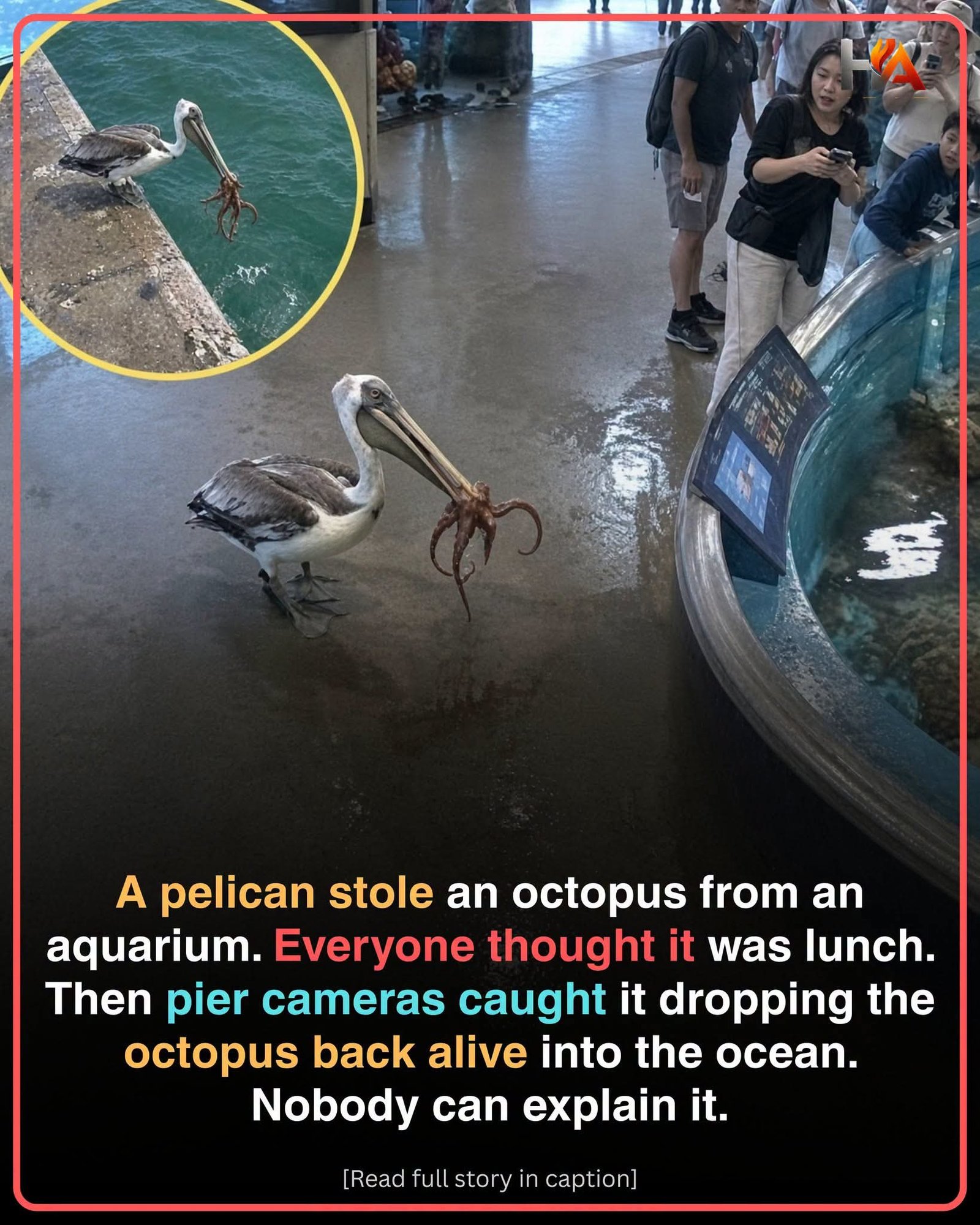
A viral story claims that a pelican stole an octopus from an aquarium, carried it away, and was later caught on pier cameras dropping the animal alive back into the ocean. However, after checking reports and records of similar incidents, there is no reliable evidence confirming that this particular event actually happened. No credible aquarium, wildlife organization, or news report appears to document the supposed rescue.
The story may be a combination of several real animal incidents. In 2016, an octopus named Inky famously escaped from New Zealand’s National Aquarium by squeezing out of its tank, crossing the floor, and traveling through a drainpipe that led directly to the ocean. Separately, pelicans are well known for opportunistically grabbing unusual prey, including fish and other marine animals, so a photograph or video of a pelican carrying an octopus could easily inspire a dramatic story online.
The most important detail is that the “stole it from an aquarium, then returned it alive” sequence remains unverified. There are genuine examples of surprisingly intelligent and unusual behavior involving both pelicans and octopuses, but no solid evidence that a pelican carried out this mysterious act of apparent kindness. Until the original footage or a trustworthy report is found, the story is better treated as a viral internet tale rather than a confirmed animal rescue.
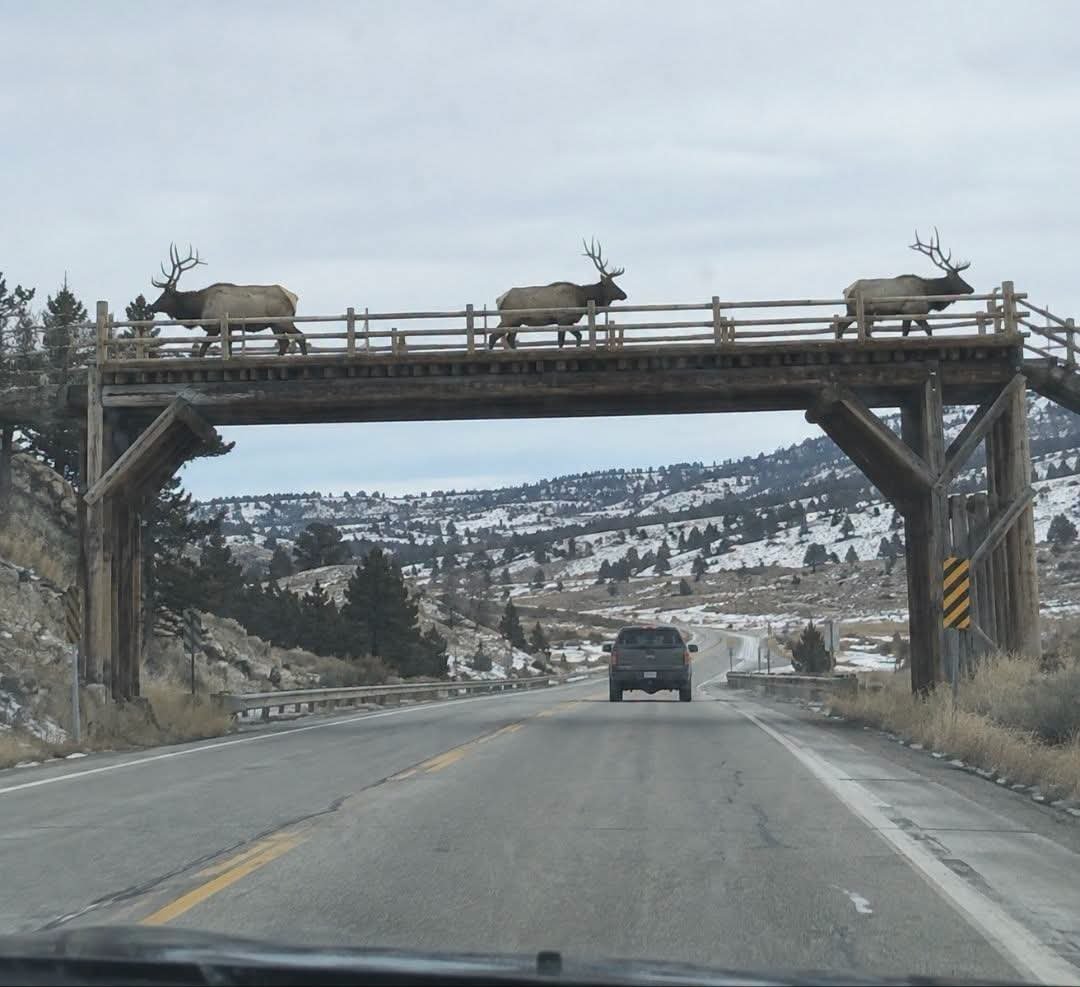
Wyoming Man Builds Private Wildlife Crossing After Getting Tired of Waiting for Elk
A Wyoming man is being asked to remove an unauthorized wildlife crossing he constructed over a rural highway after becoming frustrated with waiting for elk to cross the road.
The man reportedly spent most of the summer building a narrow wooden bridge approximately 14 feet above the highway after determining that the elk near his property were responsible for making him late for work several times each winter.
He said the project took three months, $4,700 and “a lot more lumber than I originally figured.”Wildlife officials initially believed the structure was an abandoned utility project until trail cameras captured several elk actually using it.
The man says the bridge has worked better than expected and claims his morning commute has improved by almost seven minutes.Officials have ordered him to remove it because he did not obtain permits to build over the highway.
He has appealed the decision, arguing that nobody required the elk to get a permit before crossing underneath it.Three elk were reportedly standing on the bridge during the inspection.
California farmers are looking to the sky for a natural fix to a problem that has bugged agriculture for generations. By putting up nesting boxes, vineyard owners and growers are rolling out the welcome mat for barn owls to move in and act as biological pest control. This swap pulls away from older methods that lean heavily on chemical sprays. Having these night hunters around has changed how farmland gets managed, building a more balanced ecosystem where nature does most of the work.
🌾 Efficient Rodent Control
The sheer number of pests these birds can clear out is wild. One barn owl family can eat over 3,000 rodents in a single nesting season, giving fields and vineyards around the clock coverage. Their diet lines up with the very creatures doing the most harm to crops and soil.
* Pocket gophers that tunnel through root systems
* Voles that strip bark from vines and trees
* Field mice that feed on ripening crops
🧪 Reducing Chemical Dependency
One big perk of using owls is a steep drop in the use of anticoagulant rodenticides. These poisons often slip into the broader food chain, accidentally killing hawks, foxes, and even mountain lions that eat contaminated rodents. By picking owls over chemicals, farmers are shielding local wildlife and keeping persistent toxins off their land. This switch also slows the development of pesticide resistance in rodent populations, which has been worrying growers.
🔬 Scientific Validation
Researchers at Cal Poly Humboldt have put numbers behind this approach. Their tracking studies show that owls with access to nesting boxes hunt in cultivated areas like vineyards instead of drifting into nearby unmanaged forests. That preference puts the birds right where farmers need them. The team also found that owl presence can cut gopher mound density, giving a measurable lift to land health and productivity.
🚜 Sustainable Farming Future
More growers keep watching this method pay off, and California’s farming scene keeps shifting toward sustainability. The upfront cost of nesting boxes and upkeep takes some effort, but the long term savings on chemicals and labor make the math work. This regenerative model shows that working with the land can match anything done by trying to overpower it. The track record of these feathered workers gives other regions a template for pairing high yield production with ecological care.
Sources:
Cal Poly Humboldt News Center
University of California Agriculture and Natural Resources
National Public Radio

A tired soldier was caught on camera sleeping on the airport floor while her loyal military K9 stood protectively over her, keeping watch the entire time.
She needed to sleep.
There was no bed waiting for her.
No soft pillow.
No quiet room where she could close the door and forget about the world for a few hours.
There was only the hard airport floor and the military bags she had been carrying with her.
So she placed her gear beside her, rested her head against one of the bags, and closed her eyes.
For a little while, the soldier who was trained to stay ready finally allowed herself to rest.
But her partner did not.
Beside her was her military K9.
The moment she settled onto the floor, the dog stayed close.
Very close.
He stood over her as she slept, placing a paw against her as if he wanted to make sure she was still there.
His ears remained raised.
His eyes stayed open.
Every sound around them seemed to catch his attention.
People walked through the airport.
Suitcases rolled across the floor.
Announcements echoed through the terminal.
But the K9 didn’t leave.
His soldier was sleeping.
So he stayed awake.
Maybe that is what makes the moment so beautiful.
Most people looking at the picture see a soldier and a dog.
But they were partners.
They had spent countless hours learning to understand each other.
She had learned to trust his instincts.
He had learned to listen to her voice.
She looked after him.
And now, in this small and quiet moment, it looked as though he was returning the favor.
There was no command telling him to show affection.
There was no camera he needed to impress.
His partner was simply tired.
And he stayed beside her.
The soldier had probably spent many days being the strong one.
Carrying her equipment.
Following orders.
Moving when she was tired.
Getting up when she would rather sleep.
Doing what needed to be done.
But even strong people eventually need somewhere to put their head down.
That day, an airport floor had to be enough.
She curled up beside her bags and allowed herself something soldiers don’t always get enough of:
a few peaceful moments of sleep.
And while she rested, her K9 seemed determined to give her those moments.
He couldn’t make the floor softer.
He couldn’t make the airport quieter.
He couldn’t carry away her exhaustion.
But he could do one thing.
He could stay.
So he did.
He stood beside the person he knew.
The person whose footsteps he followed.
The person whose voice he listened for.
The person he had been trained to work beside.
And while her eyes were closed, his remained open.
There is something deeply touching about that.
Because loyalty isn’t always shown in dramatic moments.
Sometimes loyalty is simply refusing to walk away.
Sometimes it is staying beside someone when they have nothing left to give.
Sometimes it is watching over them while they finally get the rest they need.
Perhaps the soldier never knew how touching the scene looked to the people around her.
She was asleep.
But anyone who saw her K9 standing there could understand something without needing a single word.
She trusted him enough to sleep beside him.
And he stayed close enough to make sure she could.
For a few minutes, she didn’t have to watch the world around her.
Her partner was doing that for her.
She rested.
He watched.
She slept.
He stayed.
And in the middle of a busy airport, surrounded by strangers coming and going, one loyal K9 made sure his soldier was never truly alone. ❤️🐕🦺

H
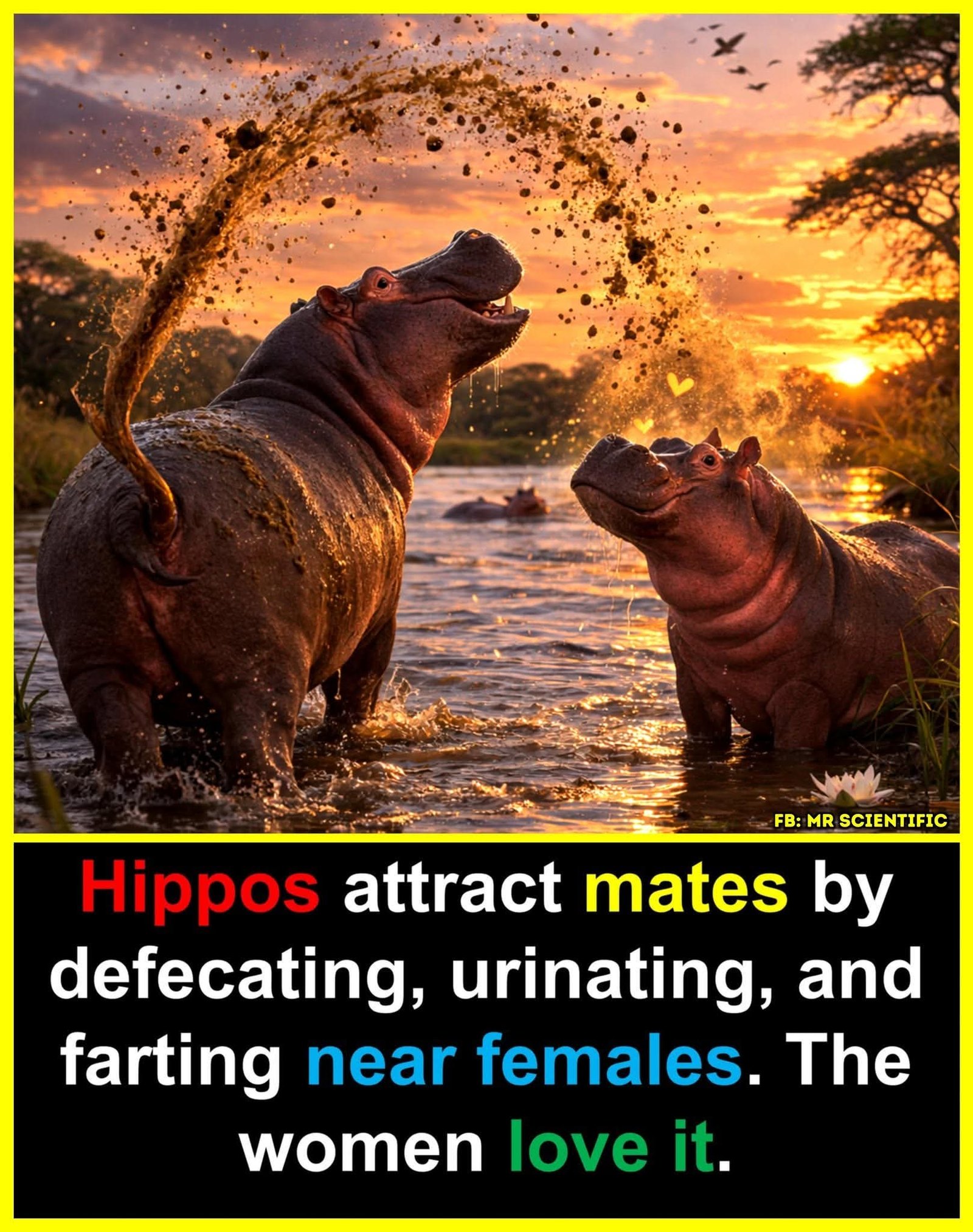
Hippos attract mates by defecating, urinating, and farting near females. The women love it.
Crocodiles produce tears, but not from sadness. Their tear glands keep their eyes moist. Don’t trust them.

A family in Kamchatka sent a drone up to look for their missing husky. They found him. He was with bears.
The footage shows the dog trailing a group of brown bears and circling them, tail up, clearly delighted. One bear nudges him away when he gets too close, but nothing about it looks hostile. The husky simply refuses to take the hint.
These aren’t small bears either. Kamchatka brown bears are among the largest on the planet, bigger than grizzlies.
The clip has racked up more than 20 million views, and the comments are better than the video.
“For me, it’s the fact that a husky can even annoy bears. Humans don’t stand a chance.”
“That dog is going to have so many stories that his dog friends will never believe.”
Nobody knows how it ended. There’s no word on whether he went home or stayed out there with his new crew.

For all four nights of Brooke’s vacation, these two dogs slept outside her Airbnb 🥺
After finding Rhysand and Crumpet struggling on the streets of New Orleans, Brooke Morosca got them to a shelter and spent months waiting for each to become available for adoption. She eventually brought Rhysand home herself, while her friends adopted Crumpet — and now the two former strays live just 15 minutes apart and still get regular playdates.

When shelter workers reviewed the security footage, they couldn’t believe what they were seeing.
For months, a large dog named Bruno had been the one nobody wanted. Abandoned, frightened, and covered in old scars, he spent most of his days pressed against the back wall of his kennel. Anyone who got too close was met with growls or barking. Volunteers tried everything, but nothing seemed to break through the fear he carried with him.
Then one afternoon, a man named Daniel walked into Bruno’s kennel and did something nobody expected. He didn’t offer treats. He didn’t call the dog’s name. He simply sat down on the concrete floor with a book and ignored him. Minutes turned into hours. Slowly, Bruno’s curiosity began to outweigh his fear. Little by little, he moved closer until he was standing beside the stranger. Then came the moment that left everyone speechless. Bruno gently rested his head on Daniel’s leg and closed his eyes.
For the first time since arriving at the shelter, the dog who trusted nobody finally felt safe enough to sleep.
There was no special training involved. No tricks. No shortcuts. Just patience, kindness, and someone willing to wait. Sometimes the most broken hearts aren’t looking to be fixed. They’re simply waiting for a reason to trust again.
Click to watch the video here and witness the heartbreaking moment when a frightened shelter dog finally learns to trust again — a powerful story of patience, kindness, and one person who refused to give up. https://ifeg.info/2026/09/14/everyone-gave-up-on-bruno-until-one-man-sat-on-the-floor-and-changed-his-life-forever/

Dexter was a shelter dog adopted from Pinellas County, and just days later, he was found dead and mutilated. His case resulted in a felony conviction and sparked enough outrage that it became the driving force behind Dexter’s Law, signed by Governor Ron DeSantis in May and now fully in effect. The law does two things, it increases criminal penalties for aggravated animal cruelty with a 1.25x sentencing multiplier, and it created Florida’s first statewide, publicly searchable database of convicted animal abusers, now live on the Florida Department of Law Enforcement’s website with over 1,600 names and growing monthly.
What makes this different from a typical local registry is that Florida previously had a patchwork of inconsistent county-level lists, meaning someone denied adoption in one county could simply try again somewhere else with zero red flags. Now shelters, rescues, breeders, and private individuals rehoming a pet can search one central database before handing a dog over to someone with a documented history of abuse. Do you think other states should follow Florida’s model, or does a searchable public registry raise its own concerns depending on how it’s used?

For 16 years Tony Marchetti had delivered mail to Bea Lawson’s house in Kingsport, Tennessee, and her blue heeler barked at his truck every day at 11:30.
On a Wednesday in February the dog didn’t bark. Blue was standing in the front window with her front paws on the sill, staring at him.
Bea is 88 and lives alone. Tony had talked to her at the mailbox on Saturday, when she came out in her housecoat for the paper. There were two days of mail in the box now, which wasn’t like her, and the dog in the window hadn’t made a sound.
The rule is that carriers report a concern to the post office, and the post office calls police for a welfare check. That can take hours.
Tony walked up and knocked. No answer. Blue left the window and started throwing herself against the inside of the front door.
He went around to the back of the house. Through the glass in the back door he could see into the kitchen, and Bea was on the linoleum between the table and the refrigerator, in her housecoat, moving one arm.
Tony called 911, wrapped his jacket around his elbow and broke the glass in the back door.
Bea had fallen Monday morning reaching for a coffee can on a high shelf. Her hip was broken, and she couldn’t get to the phone. For more than two days she’d been on that floor. At some point Blue had dragged the throw blanket off the couch into the kitchen, and it was half over Bea’s legs. The dog’s water bowl was tipped over next to her, and Bea had been dipping her fingers in it.
According to the paramedics, the dehydration was serious, and another day would probably have been too long.
The neighbors couldn’t take Blue, so Tony took care of her. For six weeks, while Bea had surgery and then rehab, he stopped by on his lunch break and again after work to feed her and let her out. His supervisor shifted his route so he could.
Bea came home in April with a walker. The next day at 11:30, Blue barked at the mail truck from the porch, and Bea was sitting in a lawn chair beside her with a glass of iced tea for Tony.

Your dog’s funniest behavior may not be accidental because dogs are good at learning which actions keep humans engaged.
Laughter can become part of that feedback loop.
Dogs learn through reinforcement, so an odd pose or playful movement that earns laughter and attention is more likely to be repeated.
A 2014 study of 46 dog-human play sessions recorded 116 human laughs, with laughter appearing in 61 percent of interactions and often following unexpected canine behavior.
Other experiments show dogs distinguish emotional information in human voices and faces, including positive signals such as laughter.
A dog therefore does not need a human-style concept of comedy to notice that an antic reliably produces a rewarding response.
Charles Darwin even described dogs teasing humans with keep-away games in 1871.
Science cannot prove dogs understand jokes, but it supports something nearly as intriguing.
Some dogs may learn exactly which behaviors make their people laugh.

A family towing a camper stopped for gas at a truck stop on Interstate 70 outside Effingham, Illinois, on a Friday in July. They let their red golden retriever mix out on the grass while they filled up at pump 7. Then they pulled back onto the highway without her.
Darlene Oakes has run the register there for 19 years. From the window she watched the dog chase the camper to the end of the on ramp before trotting back to the pump and sitting down.
For nine days, the dog met every pickup that stopped at pump 7. Each time a door swung open she walked over with her tail going and looked hard at whoever climbed out. After that she went back to her spot beside the air hose and lay facing the highway.
Truckers started saving her the bacon from their breakfast plates. Under the ice machine, Darlene set a water bowl and a folded moving blanket. The dog’s collar had one tag, with the name Maple and no phone number.
Store cameras had caught the camper’s license plate. Deputies traced it to a couple in Indianapolis, who told them the dog was getting too old for road trips. Both were charged with abandonment the following week.
On the ninth night Darlene bought a leash off the rack by the register and walked Maple out to her car at the end of her shift.
The golden rides to work with her now and naps behind the counter. Any time a pickup pulling a camper rolls up to pump 7, she’s at the window before the engine shuts off.

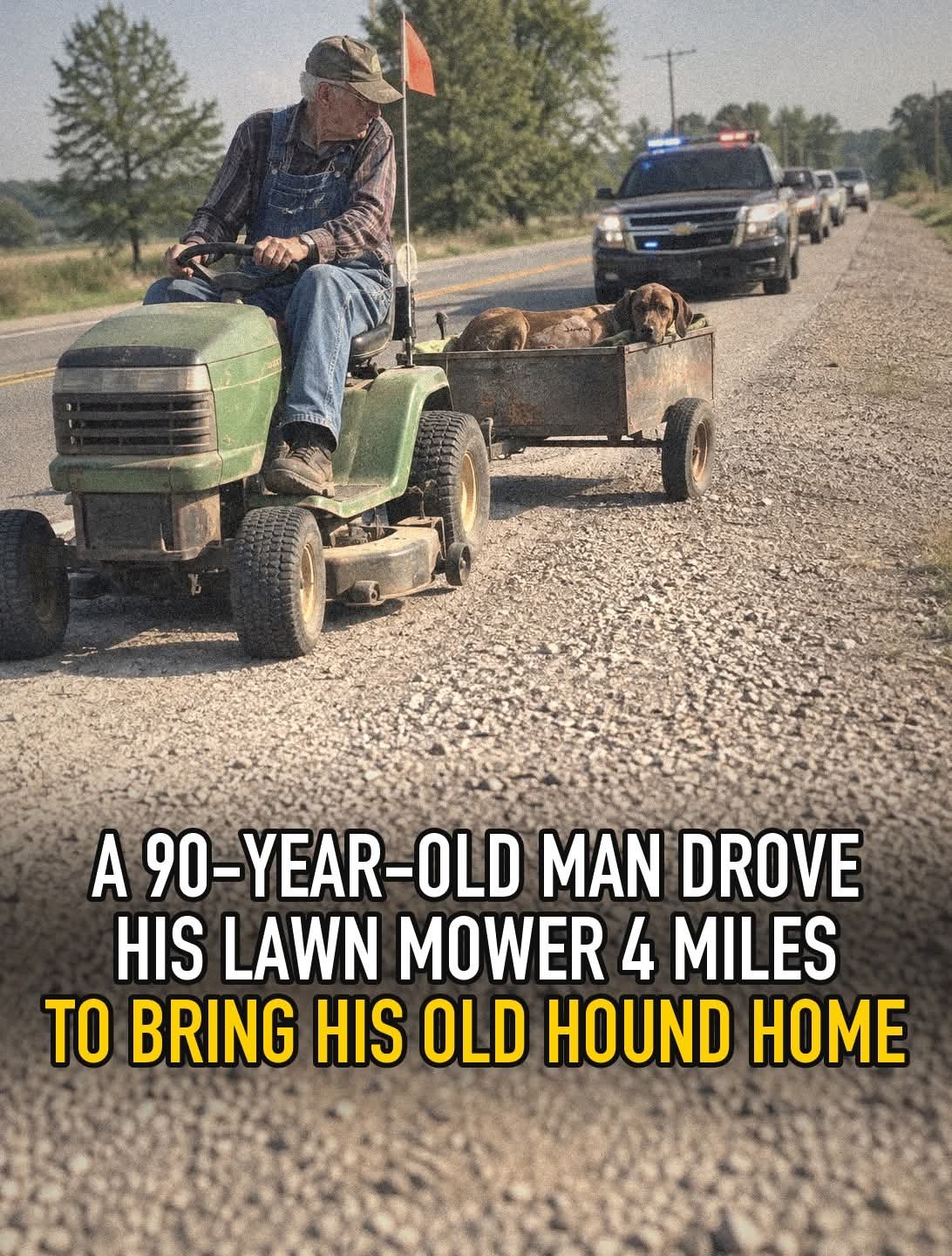
The county deputy who pulled up behind Clyde Hollis’s riding mower on Highway 63 figured he was dealing with a drunk until he saw the dog in the cart.
It was a Saturday in May, outside Houston, Missouri. Clyde was 90. His license had been gone for three years, since his eyes got bad, and the pickup sat in the barn with a tarp over it. Clyde’s daughter drove him to church and to the doctor. Nobody drove Buster anywhere.
Buster is a redbone coonhound, 13 years old, the last of the dogs Clyde hunted with. That spring a lump came up on his side, and the vet in town removed it on a Thursday. Buster stayed two nights, and the clinic called Saturday morning to say he was ready to go home.
Clyde’s daughter was at her grandson’s ball tournament in Springfield until evening. The vet’s office closed at noon.
At 9 in the morning Clyde filled the gas tank on his John Deere, hitched up the little utility cart he hauls firewood in and laid an old army blanket in the bottom. The clinic is 4 miles away, mostly along the shoulder of the highway. He drove it at about 5 miles an hour with an orange flag zip-tied to the seat.
The vet tech who carried Buster out to the parking lot says she didn’t know what to do, so she helped him settle the dog on the blanket and waved.
Deputy Rick Sutter caught up with them about a mile from home. Clyde told him the whole story without getting off the mower. The deputy looked in the cart, where Buster was lying with his head on the edge and his stitches showing, and put his ticket book back in his pocket.
He turned on his light bar instead and followed them at 5 miles an hour, the rest of the way to Clyde’s driveway, while a line of cars stacked up behind the cruiser.
At the house the deputy lifted Buster out of the cart and carried him up the porch steps. Clyde held the screen door.
His daughter heard about it that night from three different people before she even got home. She told her father he could have been killed. Clyde said he’d thought about that, and he’d decided Buster had waited long enough.
The lump turned out to be benign. Buster sleeps on the porch in the afternoon sun again, with his back against Clyde’s chair.
Staff Sergeant Daniel Hertz died in a training accident in Germany in February. He was 34. His father, Frank, flew to Dover to bring him home, and on the flight back to Omaha he realized nobody had asked about the dog.
Kaiser is a German shepherd, 6 years old. Daniel bought him as a puppy from a breeder outside Stuttgart during his first posting and kept him through two more. When Daniel died, the dog was at his apartment near the base with a neighbor feeding him.
Frank is 79 and a retired high school shop teacher. He’d met Kaiser exactly twice, on video calls.
Flying a large dog from Germany to Nebraska took weeks. Kaiser needed a vet exam, a rabies certificate, an entry form for the CDC and a crate big enough for a 90-pound shepherd. Only one airline would fly a dog that size that time of year, and the next open cargo slot was five weeks out.
In Germany, Daniel’s platoon sergeant, Mike Bauer, drove Kaiser to his own house, kept him for five weeks and sent Frank a video every night of the dog lying by the door.
Frank had never used email much. His granddaughter set him up with an account, and he spent most of March on the phone with a pet shipping company and the cargo office at the Chicago airport, writing everything on a yellow legal pad.
The bill came to about $4,700. Frank paid it out of Daniel’s life insurance, and he said that was what Daniel would have wanted it spent on first.
Kaiser landed in Chicago on a Wednesday in April. Frank and his wife drove the 470 miles the day before and slept at a motel by the airport. At the cargo warehouse a handler wheeled the big plastic crate out on a dolly and set it down on the concrete floor.
Frank knelt down in front of it and opened the door.
Kaiser came out slowly. He walked around Frank once, sniffing his hands and his jacket, the way a dog checks a stranger. Kaiser stopped, pushed his nose hard into Frank’s neck and stood there, breathing him in.
Frank’s wife says he sounds just like Daniel when he talks.
Kaiser sleeps in Daniel’s old bedroom now, on the floor next to the bed. Every night Frank goes in and sits on the edge of the bed for a while before he turns out the light.

Do you have room in your family for Hulk? 🙏🥺
Hulk is a BIG dog with an even bigger heart 💛 At just 2 years old and 94 pounds, this gentle giant has already been through a lot. When his beloved owner was deported, Hulk lost the only home he knew. A kind caregiver stepped in, but due to a disability, they can no longer keep him, leaving Hulk searching once again for a family to call his own.
Despite all the changes, Hulk remains a friendly, loving soul. He gets along wonderfully with kids, dogs, and even cats. In fact, he once happily shared his home with a cat who loved to curl up right on top of him. He can be playful and goofy, especially when toys are involved, but he’s just as content relaxing by your side.
Hulk is potty trained, crate trained, and knows some basic commands. For some reason he loves motorcycles and gets excited whenever he hears one rumble by, yet he is afraid of thunderstorms and will look to his people for comfort when the weather turns scary ❤️🩹 And yes, this handsome boy does drool quite a bit, but that’s just part of his charm.
If you’re looking for a loyal best friend with a heart as big as his paws, Hulk is ready to fill your home with love, laughter, and plenty of slobbery kisses ❤️🐾
To meet Hulk, please complete the pre-adoption application online (link in bio) and stop by the Humane Society of Broward County at 2070 Griffin Road, Fort Lauderdale, FL 33312. We are open daily at 11 a.m. If you have any questions, call 954-989-3977.

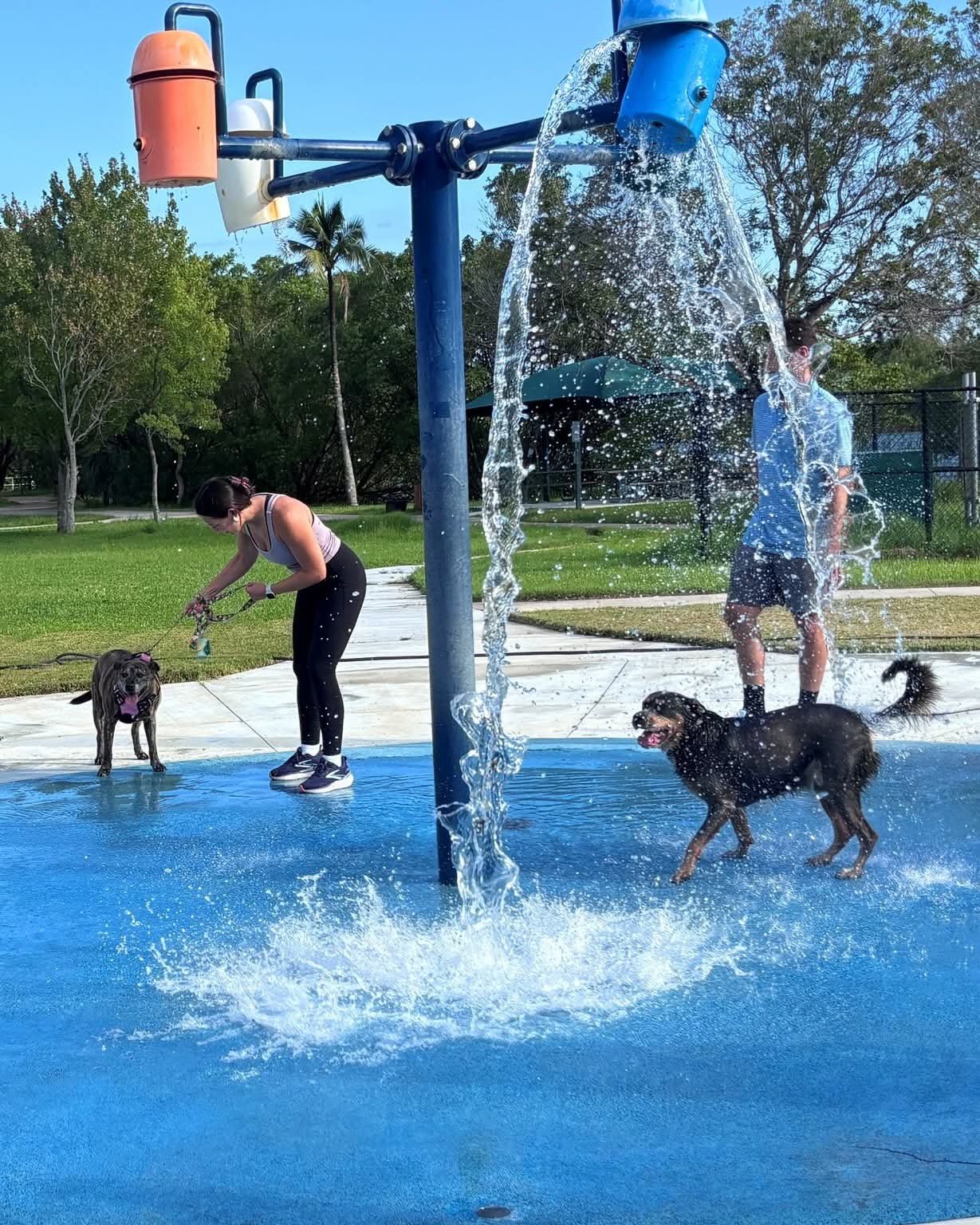
Got a hot dog? Pamper your pooch with an evening at the West Lake Park Splash Pad!
Wednesday, September 16, 2026
First session: 5-6PM Small Dogs (under 30 pounds)
Second session: 6-7PM Large Dogs (over 30 pounds)
An on-leash only event. Dogs must be dog friendly. Proof of vaccination is required for all dogs. Preregister: 954-357-5161 or WestLakePark@Broward.org
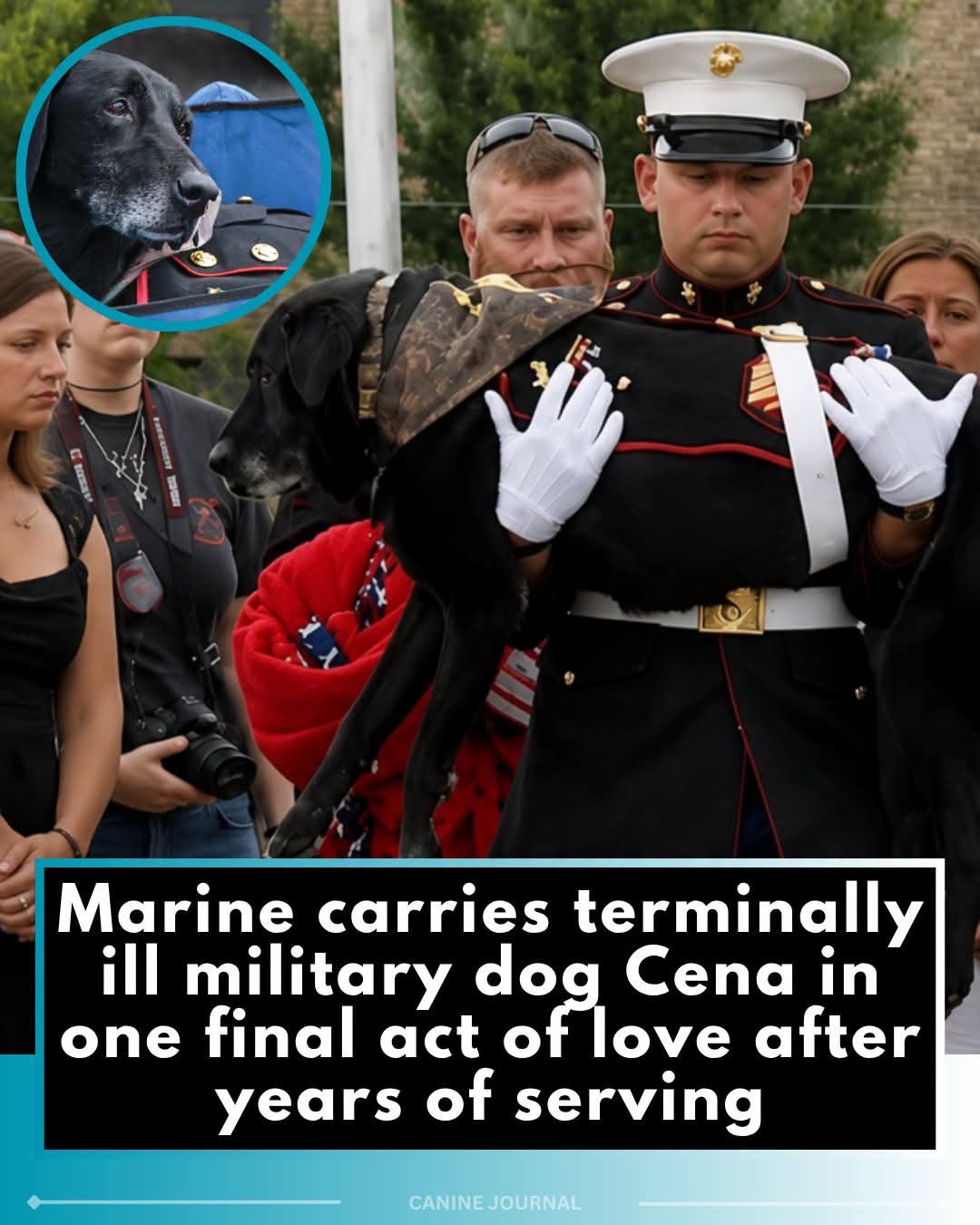
Cena spent years searching ahead of Marines in Afghanistan, trained to detect explosives before anyone else could reach them, with Jeff DeYoung as his handler and partner through it all. After a hip injury ended his service in 2014, Cena was reunited with Jeff through American Humane, no longer a working dog but still very much the one constant helping Jeff through PTSD and the loss of friends from deployment. When Cena was diagnosed with terminal bone cancer years later, Jeff decided his farewell wouldn’t be quiet or private.
At the ceremony in Muskegon, Michigan, Jeff carried Cena in his arms rather than let him walk his final steps alone, the same way Cena had once walked point ahead of him through combat. Photos from that day spread everywhere, not because the moment was staged for attention, but because it captured something true about what these partnerships actually are, loyalty that doesn’t end when the uniform comes off. What do you think it says about Cena’s role in Jeff’s life that this farewell drew an entire community, not just close family?
Workers opened a forest visitor center one morning and found a tiny bear cub asleep in the arms of a giant teddy bear.
At first, nobody dared to approach.
The cub was curled tightly against the teddy’s soft chest, with one little paw resting on its arm as if it had finally found somewhere safe to sleep.
Staff quietly locked the entrance and checked the security footage from the night before.
Just after midnight, the camera had captured the cub wandering onto the porch alone. It stopped when it noticed the enormous teddy bear sitting on a bench.
The cub stared at it for several minutes.
Then it slowly walked closer, sniffed one of the teddy’s paws, and rubbed its head against the soft fur. Perhaps the frightened little bear mistook the toy for its mother—or perhaps it simply needed something warm beside it.
Eventually, the cub climbed onto the bench, curled up in the teddy bear’s lap, and fell asleep there for the rest of the night.
Wildlife officials were called, but before they arrived, a larger black bear appeared at the edge of the trees.
The cub woke, climbed down from the bench, and hurried toward her. Within moments, mother and baby disappeared safely into the forest.
The teddy bear couldn’t hug the lonely cub back. But for one cold night, it gave him a place where he felt safe.

Eight years into studying whales, Nan Hauser believed she understood their size and strength. Then one afternoon off Rarotonga she felt a pressure she had never felt before — a 40‑ton humpback whale pressing its head against her body and lifting her toward the surface. At first she thought the animal was playing too roughly. She tried to push away, but the whale kept tucking her under its pectoral fin. For seven and a half minutes the great creature nudged and nudged, even raising her clear of the water on its flipper.
Only when she glimpsed a second silhouette did she understand. The “whale” moving side to side was actually an 18‑foot tiger shark, arched in attack posture. In that instant the humpback positioned her on its head and raced toward her boat, shielding her with its massive body. Within ten minutes she was safely back on deck, shaking with shock and gratitude.
Hauser, a lifelong marine biologist, had never experienced anything like it. “I felt love, concern and care from the whale,” she told The Guardian. She had spent her career filming these animals quietly, believing the best way to understand them was to let them be. Now one seemed to understand her vulnerability and acted. Scientists note that humpbacks have been documented interfering when predators attack other species, behaviour some call “mobbing”. Whether the whale’s act was true altruism or an instinct honed by eons of kin‑selected behaviour, Hauser felt the encounter as a deliberate choice.
The story didn’t end there. A year later Hauser was back in the Cook Islands when a familiar tail surfaced. She recognised the whale by the notches on its fluke and the scar on its head. As she slid into the water the whale approached, looked her in the eye and extended its giant fin. She rubbed its face and began to cry. The whale lingered near her boat for twenty minutes before swimming away.
There is no moral to pin on a whale’s fin, no proof that a giant mammal meant to save a human. There is only a moment when a life hung between a predator and a protector and something ancient stirred. Perhaps this is what happens when we spend enough time listening rather than dominating: another being may recognise us as kin. In a world where we often assume only humans are capable of compassion, a humpback whale carrying a scientist to safety suggests the ocean itself may be watching over us.
#WhaleGuardian #HumpbackRescue #MarineLife #InterspeciesAltruism #OceanConnection #WildCompassion #ProtectiveWhale #NatureStories #HumanAnimalBond #LoveAndRespect

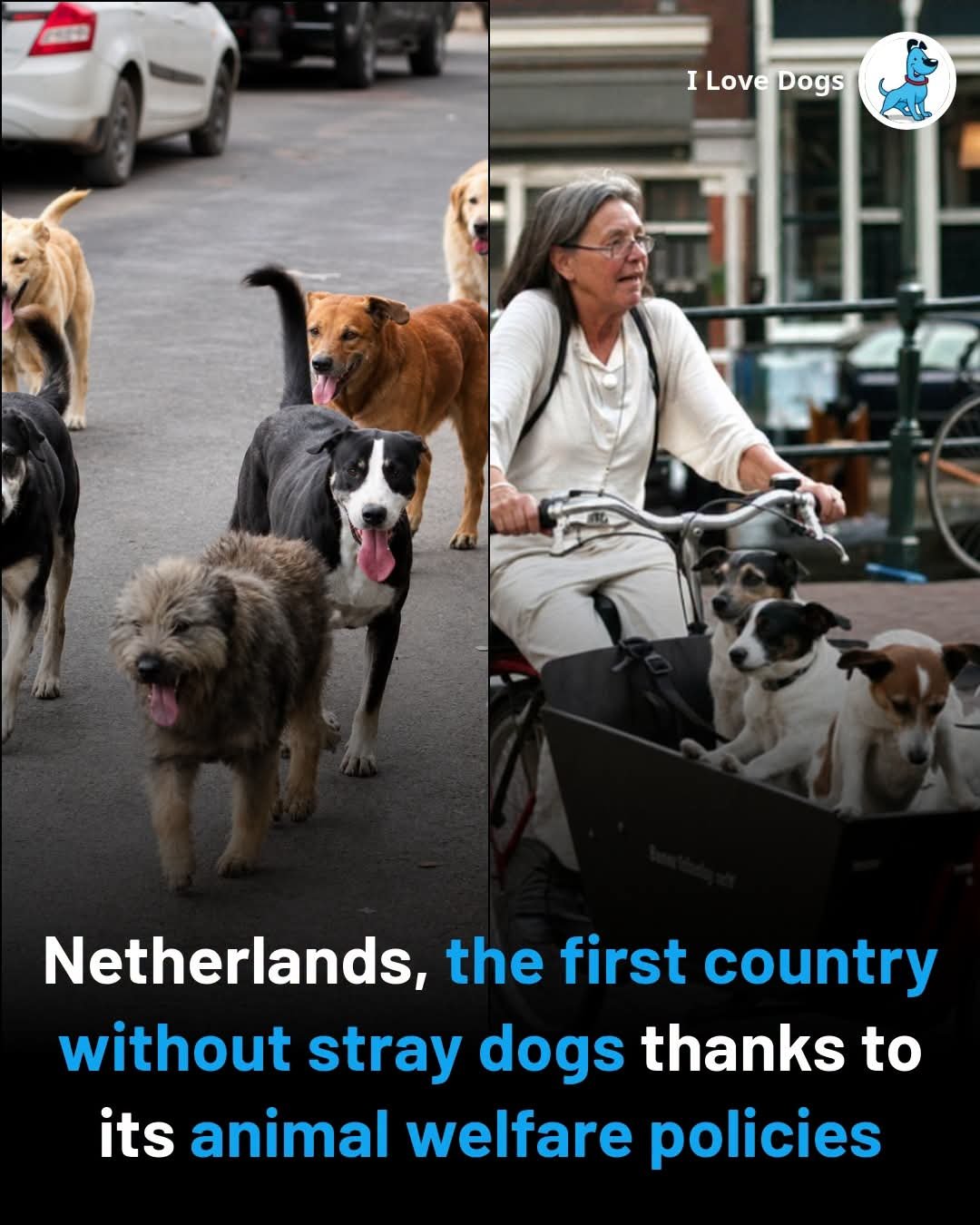
There’s something profound about what the Netherlands has accomplished—they’ve created a society where every dog has a home, where abandonment isn’t just frowned upon, it’s illegal. It took decades of commitment, strong animal welfare laws with real consequences, and a cultural shift that put pet responsibility front and center.
Think about that for a moment. Mandatory pet registration, spay and neuter programs, hefty fines for abandonment, and genuine consequences for abuse. But beyond the policies, there’s something deeper happening—a collective understanding that animals deserve protection and care.
This isn’t just about statistics or being the “first country” to achieve something. It’s about what becomes possible when a society decides that animals matter enough to protect them. Every stray dog off the streets represents a life saved, a second chance given. The Netherlands showed us what’s possible when we commit to doing better.
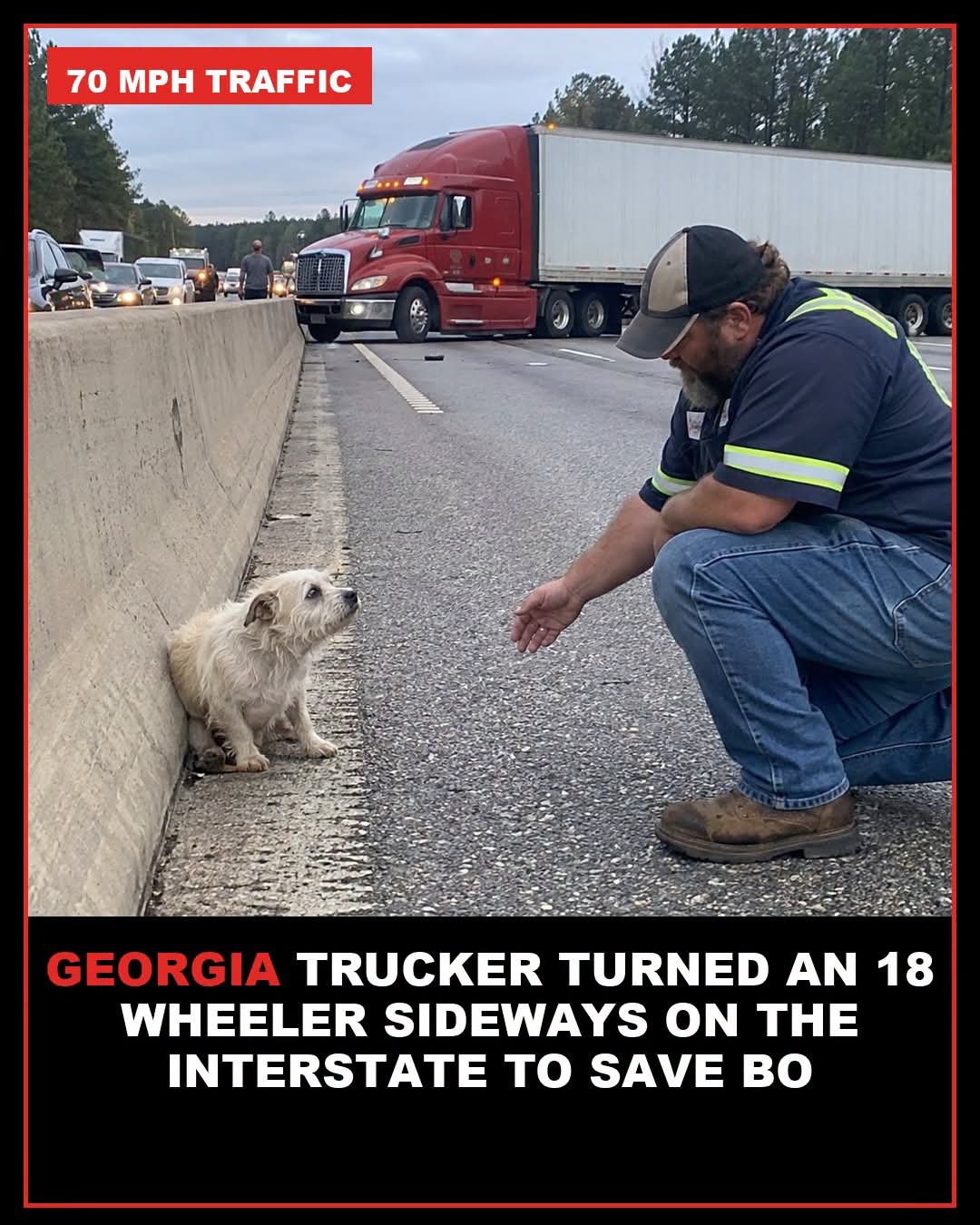
Traffic on Interstate 75 south of Macon, Georgia, was moving at 70 miles an hour on a Monday morning when trucker Marvin Tate spotted a small white dog darting between the lanes ahead of him. Cars swerved around it, and one pickup missed it by inches.
Marvin has hauled freight for 27 years. He flipped on his hazards, braked hard and let his rig drift sideways until the trailer blocked all three southbound lanes. Behind him, everything stopped.
By then the dog had crawled up against the concrete barrier in the median and wouldn’t budge. Climbing down from the cab, the big trucker walked out across the empty lanes and got down on his knees on the asphalt, talking low the whole time. It took him four minutes to get close enough to scoop the little terrier up.
He carried the dog back to his cab wrapped in his jacket. When a state trooper arrived, he found a line of cars two miles long and a trucker sitting on his step with a shaking dog in his lap.
Bo’s tag had an address in Warner Robins. His owner is 84 and had left the gate open by accident while rolling out her trash can. The trooper drove Bo home himself.
That delivery ended up three hours late, and the company docked his pay for it. Once the trooper’s dash camera video made the rounds, they paid it back. Should his company have docked him at all?
🐾🇧🇷 Brazil’s Law on Cruelty to Dogs and Cats
Brazil strengthened its animal-cruelty laws in September 2020 with Law No. 14,064. The law specifically increased the punishment for acts of abuse, mistreatment, injury or mutilation involving dogs and cats.
⚖️ Under the law, a person convicted of these offenses involving a dog or cat can face 2 to 5 years of imprisonment, a fine, and a prohibition on keeping animals.
Before this change, the general provision carried a much lighter penalty of 3 months to 1 year of detention plus a fine. The 2020 amendment specifically created the tougher 2–5 year penalty for dogs and cats.
🐶🐱 There is one important detail behind the viral post: this is not a new law introduced in 2026. It has been in force since September 2020. Also, the law concerns animal abuse/mistreatment, injury or mutilation—the viral wording about “hunting a dog or cat” is not an accurate description of the provision.
❤️ The law also provides that if the animal dies, the applicable penalty can be increased by one-sixth to one-third.

A cat recently went viral after its owner reportedly discovered 27 mice lined up neatly around it after a single night. The unusual scene was shared online in 2026, with people jokingly calling the animal the “Serial Rat K!ller.” What shocked viewers was not only the number of mice, but how strangely organized they appeared, almost like the cat had deliberately created a display of its overnight hunting success.
Cats naturally have a powerful hunting instinct, even when they are well fed at home. They can spend hours stalking small animals, and outdoor cats sometimes bring their catches back to places where they feel safe. Animal behavior experts explain that this does not necessarily mean a cat is trying to give its owner a “gift.” Bringing prey back to familiar territory is considered a natural behavior, although the exact reason can vary between cats.
The 27 mouse story became popular because the perfectly arranged lineup made the scene look almost intentional, but there is no solid evidence proving that the cat carefully arranged every mouse itself. Some reports simply repeat the original social media claim, while others point out that the unusual positioning could have been changed before the photograph or video was taken. Either way, the image created one unforgettable internet moment, turning an ordinary house cat into a viral hunting legend overnight.

They see a banned breed. I see the boy who can’t fall asleep without someone to cuddle 🥺 People fear Gunner before they even know him, while this is the Gunner I get to see every night. Tonight, Charizard got chosen for bedtime duty 🔥🧡 He doesn’t know he’s meant to be ‘dangerous’. Hims just knows cuddles, blankets and love. Goodnight from Gunner and his fire-breathing bestie 🌙
#goodnight #xlbully #bullylife #bullylove #buenasnoches

It was 104 degrees inside the parking garage of a casino in Las Vegas, Nevada, when security guard Leon Harris heard scratching from a gray sedan on the third level.
A little white poodle mix was pressed against the back window, panting so hard her whole body shook. The windows were cracked about a finger’s width.
Dispatch paged the owner over the casino floor after Leon read them the plate. Nobody came. After 20 minutes the dog lay down on the back seat and stopped moving much. So he pulled the fire extinguisher off the wall by the elevator and broke the rear passenger window.
He carried her into the air conditioned security office and laid wet paper towels across her belly. Paramedics who came up said her temperature was 106.
The owner came down 50 minutes later with a winning ticket in her hand and asked who was going to pay for her window. Police had some questions of their own for her.
Dottie went to a rescue that week. Leon stops by the foster home on his days off to see her. Would you break that window?

GSD vs. Cat When You Leave 😂🐾
GSD: “What if they never come back?!” 😭
Cat: “Who?” 💀😂
Two completely different reactions when their human leaves the house. The German Shepherd is already planning a search party while the cat has moved on. 😂
#GermanShepherd #GSD #GSDLife #DogVsCat #DogHumor

An aerial mosquito-spraying operation in Dorchester County, South Carolina triggered an ecological disaster when planes rained down the neurotoxin Naled at dawn, instantly killing over 2.5 million honeybees. Implemented to combat Zika-carrying mosquitoes, the county’s first-ever aerial fumigation bypassed standard truck-based protocols and failed to adequately warn local apiaries. Because the planes sprayed between 6:30 a.m. and 8:30 a.m. on a hot morning—a peak timeframe when bees leave their hives to forage and cool down—the insects were left completely exposed to the acute pesticide poisoning. Within mere minutes, thriving honeybee sanctuaries like the Flowertown Bee Farm and Supply in Summerville were entirely decimated, leaving despondent beekeepers to describe their chemical-shrouded, carcass-littered properties as looking like they had been “nuked”. 😭

The Childhood Accident Behind Her Different-Looking Eye
When Sydney Sweeney was around 11–12, she reportedly had a serious wakeboarding accident that caused an injury near her eye and required 19 stitches.
She has spoken about how the accident affected the way one eye opens compared with the other. Despite the experience, she later returned to wakeboarding and continued enjoying the sport. 🌊
The story has also been discussed in connection with online speculation about her appearance, with Sweeney explaining that the difference is related to her childhood accident.
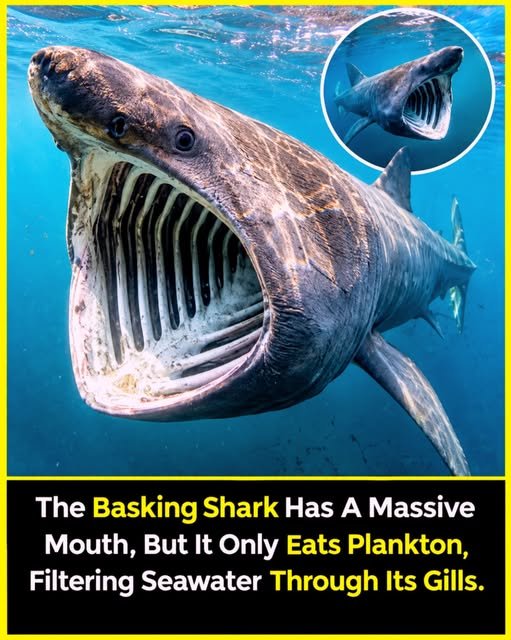
Lilica: The Dog Who Brought Food Home for Everyone
In São Carlos, Brazil, a stray dog named Lilica became known for an extraordinary daily routine. She lived at a junkyard with a small group of animals and would make a long journey to a nearby home where an animal lover regularly provided her with food.
Rather than simply eating the food there, Lilica would take a bag in her mouth and carry it all the way back to the junkyard. Reports described her round trip as roughly 8 miles (13 km) in total.
What makes her story so touching is what happened next. Lilica shared the food with the other animals around her—including another dog, a cat, chickens and a mule. She appeared to treat this unusual group as her family, making sure they benefited from the food she had collected.
Her journey became widely known after videos and news reports showed her carrying the food home. The story is a beautiful reminder that animals can form strong social bonds and display behaviors that humans often interpret as generosity, cooperation and care.
Lilica wasn’t just carrying food. She was carrying it home for her family. ❤️🐶
Note: The widely repeated “8 miles every day” figure refers to the reported approximate round trip, so it’s best not to present the distance as a precisely measured figure for every journey.

🐺💔 A Lone Wolf Stole an Old Dog Bed, Days Later, a Camera Revealed Where He Took It
For days, residents near a mountain town spotted a solitary wolf watching from a distance, never approaching.
Then a woman’s trail camera captured something unexpected.
The wolf gently grabbed an old dog bed from a porch and carried it into the woods, not food, not trash, but a place to rest.
Researchers think hunting pressure may have separated him from his pack, leaving him displaced. The homeowner said he looked tired, not aggressive.
Locals began sharing sightings and urging people to protect him, while wildlife teams searched for him for evaluation.
Then came the last image.
The wolf was curled up on the old dog bed in the rain, alone in the woods, resting on the only semblance of home he had found. 🐺💔

Dante Rowley and Stephanie Calderon were flying home to San Diego when they checked their Ring cameras. A man had climbed a ladder and entered their house through an upstairs window.
But their 90-pound golden retriever, Nash, had an unusual reaction. Instead of chasing the stranger away, the 4-year-old dog repeatedly walked up to him carrying toys, apparently hoping he would play.
The man ate food from the fridge and even took a nap while police headed to the house. Officers used a drone before entering. When the man tried to escape through a downstairs bathroom window, police were waiting outside and arrested him on suspicion of first-degree burglary.
And when the officers came inside, Nash brought them a toy too.

Giving up an older dog simply because someone would prefer a puppy raises important concerns about responsible pet ownership, animal welfare, and the idea that adopting an animal should be a lasting commitment.
Older dogs may require additional veterinary visits, medication, dental care, mobility assistance, and potentially greater insurance or emergency expenses. However, these needs are part of the responsibility that comes with caring for a pet throughout its life.
Some shelters and rescue organizations may look closely at a person’s previous adoption history before allowing them to adopt again, particularly if an animal was surrendered for reasons that were not related to safety, medical concerns, or serious personal circumstances.
Bringing home a new puppy can certainly be exciting, but choosing to replace an aging dog instead of supporting them through their later years can reflect how seriously a person views the long-term responsibility of pet ownership.

Watch until the end….
Alert Deactivation: Stanley Estredge has been safely located. Thank you for your assistance.
Activation –
79-year-old, white, male, Stanley Estredge, grey hair and blue eyes, 5’05″/130lbs, was last seen on September 15, 2026, at approximately 12:00pm, on foot, in the 2200 block of N Nevada Ave walking northbound toward Jackson St in Colorado Springs. Stanley was last seen wearing a dark colored and collared button down long sleeve shirt, blue jeans, and brown shoes. Stanley suffers from a cognitive impairment which may render him lost, confused, and possibly aggitated. Law enforcement is concerned for his safety. If seen, please call 9-1-1 or the Colorado Springs Police Department at 719-444-7000.

FOUND!
In the middle of the night our gate malfunctioned from the storm, he ran out when it was lightning. We can’t find him.
Please, if anyone has seen him, help get him home. His kidneys are not okay and he needs his medication everyday. Reward if found!
Please call 305-773-2209 or 305-431-4041.
He was wearing his collar and an orange pumpkin bandana last night (the bandana may have fallen off by now). Last seen near SW 296 St (Avocado) and SW 205 Ave
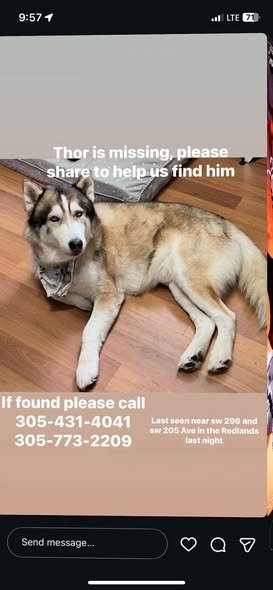
🚨Jefe was LOST on May 10, 2026 in Miami, FL 33165 near 97fh ave coral wat.
Please spread the word for this lost dog by sharing this post.
💬 Owner’s Message: “Please call”
🐾 Description: “Black and white “
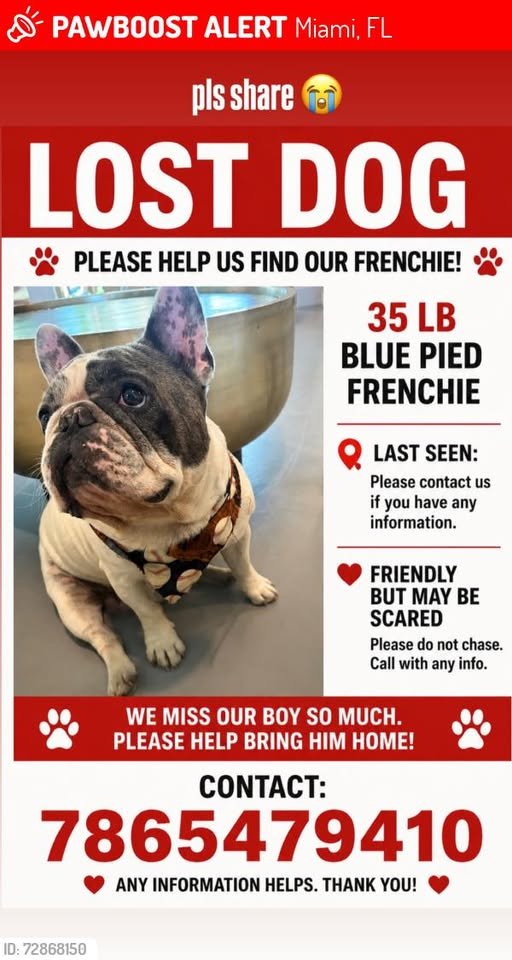
Please spread the word for this lost cat. Charles Jones was LOST on January 2, 2026 in Oakland Park, FL 33309 near Park lane w and Nw 21st Ave
Message from Owner: “Charlie has been missing over a month and his family is really worried about him. Please return him if you have him and call or text if you have any information.”
Description: Long hair tabby cat with orange eyes

Lost Cockatiel Last seen St Paul’s Independent School off Belleair /Starkey Area 33764 Clearwater 11 Years old whistles and talks we are devastated and so is his Mate Casstiel. Please call Reward 727-410-7872— feeling sad.

PLEASE SHARE. MY FRIEND IS DESPERATELY LOOKING FOR HER AND ARE VERY SAD, PLEASE SHARE AND HELP BRING HER HOME.
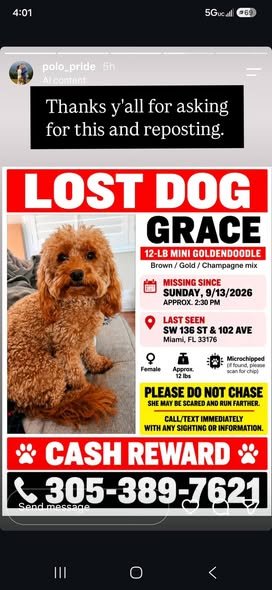
PLEASE HELP!!!!
Lost older Blind Beagle girl. Mostly black. Dug out from under fence Wednesday a.m. This is getting desperate for me. PLEASE look under anything in your area for this 30 lb beagle girl…older and totally blind. SHhe is surely scared. Very gentle dog… She is chipped and wearing a purple collar with i.d. please call 941-204-2571.
Thank you so so so much!@
🚨LOST, SCARED DOG: LIVONIA, MI
I-96 and Merriman Rd.
Please DO NOT ENGAGE, CHASE OR CALL OUT TO!
Call number on flyer immediately!
248 – 404 – 0075
GET A PIC IF POSSIBLE!!!
PLEASE SHARE THIS POST AND CHECK ANY TRAIL AND SECURITY CAMERAS!
If you see the dog, act like it’s INVISIBLE, note the EXACT LOCATION, what the dog is doing and direction of travel. Then please call us immediately!
PLEASE DO NOT POST SIGHTINGS PUBLICLY for safety reasons.
Kathi Randolfi Crifasi
Joy Morris Brietzke
Kimberly Hoder Wisniewski

Hi this is Ogie is been missing for couple of days last time seen is in (9/3/26)322 sw 16th dania 33004. No micro chip , no name tag. She tend to hide when it raining and thunderstorms. Please share in this post.
Please contact: 7542146038 , 7542147616 , 7542146400
Thank you— at Dania Beach

My cat, Loki escaped . Please call and text me if found . He would be near the Midtown Delray Townhome complex. 5618259184

LOST CAT PLEASE SHARE! 🐾
I came across this lost cat flyer and wanted to share it in as many local lost & found pet groups as possible in hopes that someone recognizes Papi or has seen her.
Papi is missing from Deauville Ave SE, Palm Bay.
Her family is offering a $500 reward for her safe return, no questions asked.
If you have seen Papi or have ANY information, please call or text:
786-314-1216
Please keep an eye out, share this post, and check cameras!
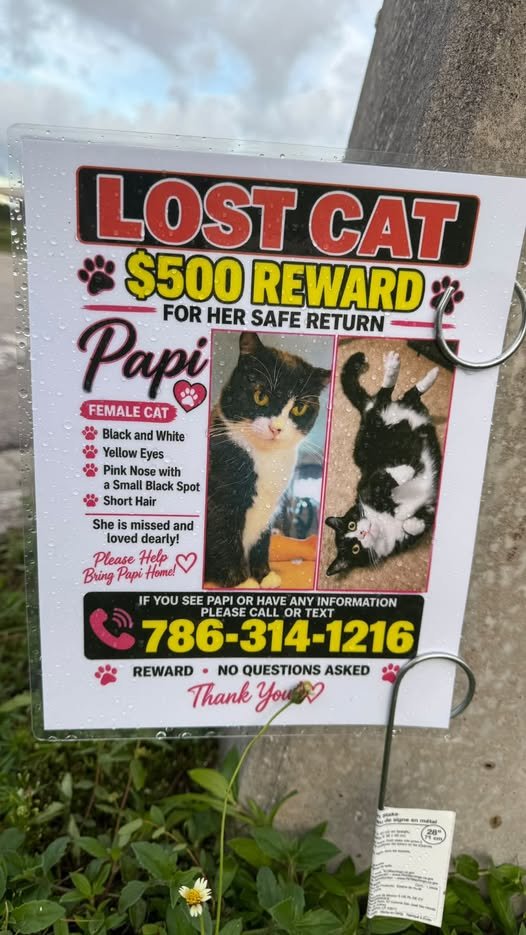
When a dog goes missing, a sighting can last only seconds. Make it easy for someone to reach you immediately by putting a phone number on every lost pet post and flyer.
A call or text at the right moment could be the call that brings your dog home.
Please spread the word for this lost dog. Poodle was LOST on March 22, 2026 in Miramar, FL 33023 near Miramar
Message from Owner: “LOST DOG – $5,000 REWARD
IF YOU KNOW THESE PEOPLE PLEASE CONTACT ME
My dog got away from my son, and this man found her at CVS.
I am not trying to get this man in trouble. I just want my dog back safely.
My dog was last seen inside CVS with this man, who picked her up and drove away. If you recognize him or know who he is, please contact me right away or please let him know how to reach me so we can resolve this peacefully.
We are heartbroken and just want our baby safe. No questions asked.
$ $5,000 REWARD for anyone who can identify this man or help bring my dog back.
If you have her or know where she is, please call or message me immediately. Even the smallest tip could help bring her .
Last Seen Location:
6890 Miramar Pkwy
Miramar, FL 33023
”
Description: Apricot poodle mixed freckles inside her ears
For more info or to contact Poodle’s owner, click here: https://www.pawboost.com/p/72691527
Lost or found a pet? Report it to PawBoost here: https://www.pawboost.com/l/rpl
⚠️ WARNING: Please be cautious of users offering ‘pet tracking services’ in comments. We recommend only working with local shelters and verified organizations. Never send money to unknown services.
UPDATE !! LUNA WAS FOUND , SHE IS BACK HOME WITH HER FAMILY !! Thank you for everyone that SHARE Luna .
Broward County Florida
I’M LOST & MY LEASH IS STILL ATTACHED!
MY LEASH COULD BE CAUGHT ON SOMETHING MAKING ME STUCK 💔
PLEASE CHECK YOUR CAMERAS & YARDS.
HELP ME GET HOME!
I went missing in Hollywood, FL — Broward County
Near N 70th Ave & Buchanan St
I got out sometime between 2:30 AM and 5:00 AM.
When I disappeared, I was wearing a chain collar and MY LEASH WAS STILL ATTACHED, so please look carefully in yards, bushes, fences and anywhere my leash could have gotten caught.
PLEASE CALL 754-243-6450 IF YOU SEE OR FIND ME.
Even if you’re not nearby, PLEASE SHARE ME. One share could be the one that brings me home. 💔🐾 #luna
🚨 🐾 Found Puppy 🐾 🚨
I found this sweet pup found near Joe Robbie Stadium (I will always call it that). ❤️
I’m intentionally NOT posting the dog’s sex, name, or details about what the dog was wearing when found. I want to make sure this furbaby goes back to the actual owner.
If you believe this is your dog, please CALL OR TEXT 954-557-3861.
DO NOT guess or post identifying details in the comments, as I will be using those details to verify ownership.
PLEASE SHARE, especially in Miami Gardens, Miramar, Pembroke Pines & surrounding areas. Someone may be desperately looking for their baby!
OMGosh, you guys!
You will NOT believe what I just walked into at the Weston Pet Supermarket… Hermes & Celine just casually CHILLIN’ AT THE REGISTER like they own the place. And let me tell you, these 10 month old kittens are absolutely GLORIOUS. Loving, affectionate, gorgeous… the whole package!
What’s astonishing? Not one person has even stopped in specifically to meet them. Not ONE application. HOW?! These two are sitting there waiting for someone to realize that two really ARE better than one. They’ve already got each other.. you just need to give them the home.
Please go meet Hermes & Celine. Hold them. Love on them. I dare you to leave without wanting them both.
And for goodness’ sake… BRING TWO CARRIERS!
Please share. Their forever family has to be out there somewhere.
https://gkarma.wufoo.com/forms/good-karma-pet-rescue-cat-adoption-screening
🚨 Rosie was LOST TODAY in Indialantic, FL 32903 near 1st street Indialantic.
Please spread the word for this lost cat by sharing this post.
💬 Owner’s Message: “Please help me find Rosie”
🐾 Description: “Black kitten about 4 months old small white patch on upper chest”
🔗 For more info or to contact Rosie’s owner, click here: https://www.pawboost.com/p/73386131
📣 Lost or found a pet? Report it to PawBoost here: https://www.pawboost.com/l/rpl
⚠️ WARNING: Please be cautious of users offering ‘pet tracking services’ in comments. We recommend only working with local shelters and verified organizations. Never send money to unknown services
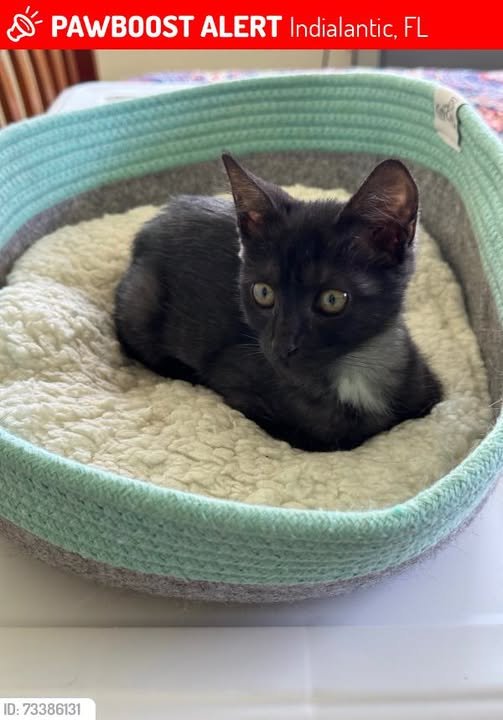
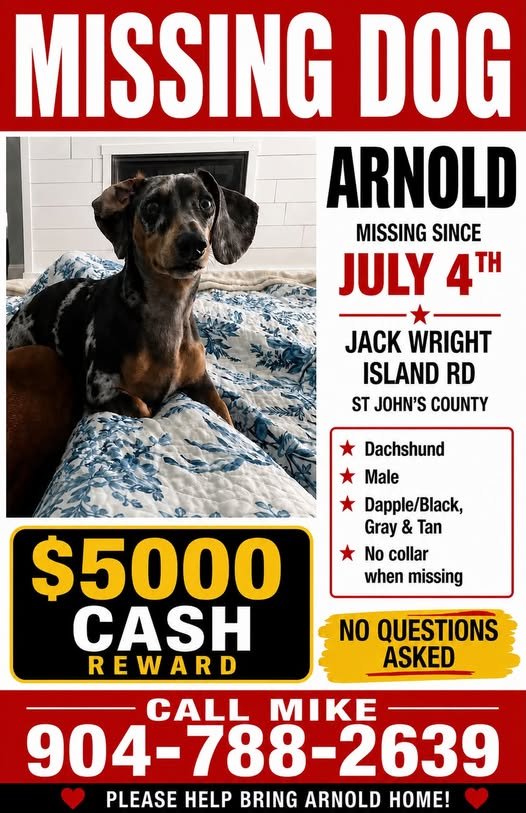
🚨 This dog was FOUND YESTERDAY in Palm Bay, FL 32909 near Wacona st.
Please spread the word for this found dog by sharing this post.
🐾 Description: “German shepherd”
🔗 For more info or to contact this dog’s finder, click here: https://www.pawboost.com/p/73378293
📣 Lost or found a pet? Report it to PawBoost here: https://www.pawboost.com/l/rpl
⚠️ WARNING: Please be cautious of users offering ‘pet tracking services’ in comments. We recommend only working with local shelters and verified organizations. Never send money to unknown services.
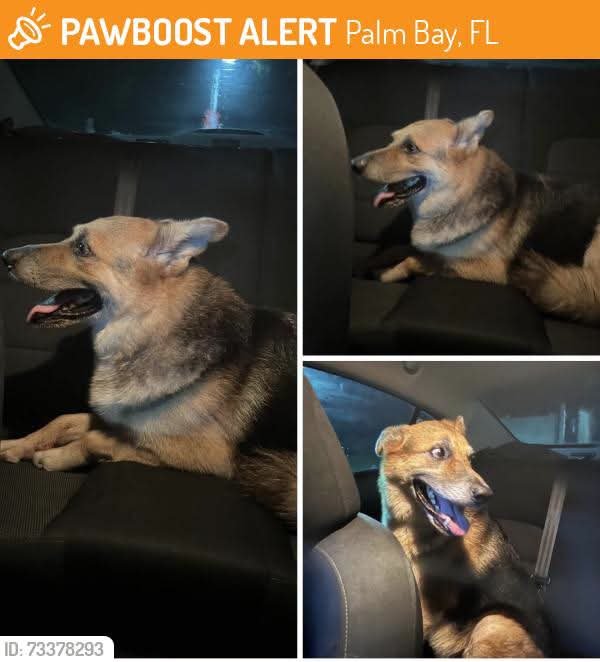
The U.S. Centers for Disease Control and Prevention is warning that exposure to rabies appears to be on the rise across the country. FULL STORY ⬇️
https://www.wesh.com/article/cdc-radies-increase-exposure/73692939
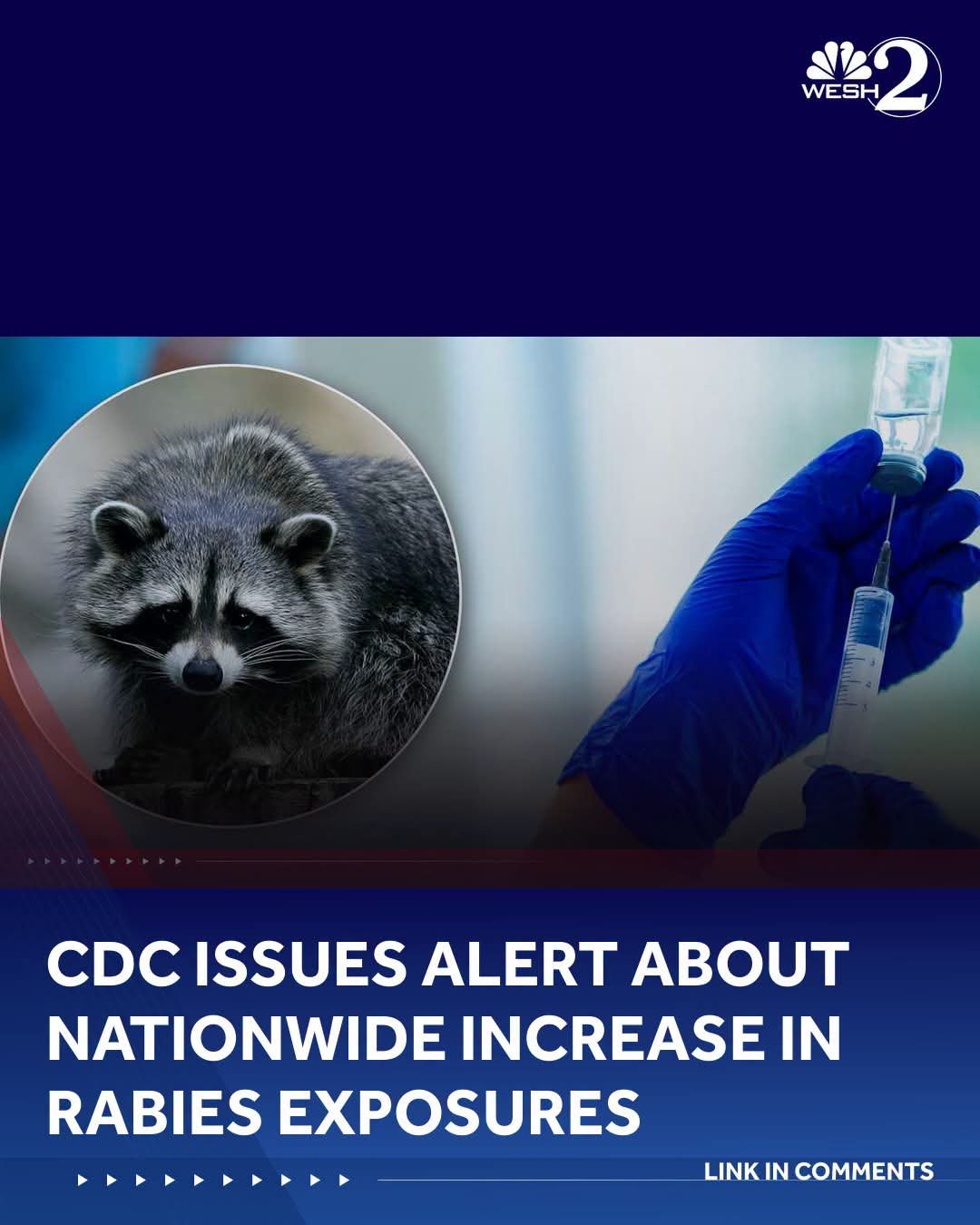
🚨 River was LOST September 2, 2026 in Palm Bay, FL 32905 near Palm Bay rd & Babcock st.
Please spread the word for this lost cat by sharing this post.
🔗 For more info or to contact River’s owner, click here: https://www.pawboost.com/p/73376583
📣 Lost or found a pet? Report it to PawBoost here: https://www.pawboost.com/l/rpl
⚠️ WARNING: Please be cautious of users offering ‘pet tracking services’ in comments. We recommend only working with local shelters and verified organizations. Never send money to unknown services.

An 80-year-old Tampa woman died on her own birthday, and her family says a single mosquito bite is why. Gay Small died September 4 at Tampa General Hospital, only days after she was diagnosed with dengue fever. Her daughter, Anna Small, said her mother had been healthy and active, walking regularly and eating right, before she grew weak, her hands turned red and a tremble crept into her voice. By the middle of the week, she was in the ICU. “She met the wrong mosquito, and that’s it,” her daughter said.
The Florida Department of Health said it is investigating the death of a Hillsborough County resident as possibly associated with a dengue virus infection, and noted it cannot release case-specific details. If confirmed, it would be the Tampa Bay area’s first dengue death in about a century. Florida has recorded roughly 70 locally acquired dengue cases, with nearly 60 of them in Hillsborough County, which state officials have called the center of local transmission. Mosquito control crews have expanded spraying across several Tampa Bay communities.

Switzerland eliminated rabies by hiding vaccines in bait for wild animals.
In the late 1970s, Switzerland faced a severe public health crisis as a rabies epidemic tore through its wild red fox population, threatening domestic animals and humans alike. Rather than executing a controversial and ineffective cull, Swiss scientists came up with a different strategy.
They put the vaccine inside the food.
In 1978, the country launched the world’s first oral rabies vaccination field trials, distributing millions of vaccine-laden baits—initially using actual chicken heads and sausage, and later specialized pellets—across forests, valleys, and alpine slopes.
As wild foxes discovered and ate these tasty treats, they unknowingly immunized themselves, creating a protective barrier of herd immunity that shattered the transmission cycle. By 1998, Switzerland was officially declared free of rabies, proving that working with animal behavior is vastly more effective than fighting it.
This revolutionary approach has since been adopted worldwide; for instance, the United States Department of Agriculture (USDA) distributes roughly 6.5 million fishmeal-coated vaccine baits annually across selected states to prevent the westward spread of raccoon rabies, proving that a Swiss innovation remains a vital tool in modern global health.
🎥 Watch the full video here! https://www.youtube.com/watch?v=P4CKWqc_Vlc&t=192s
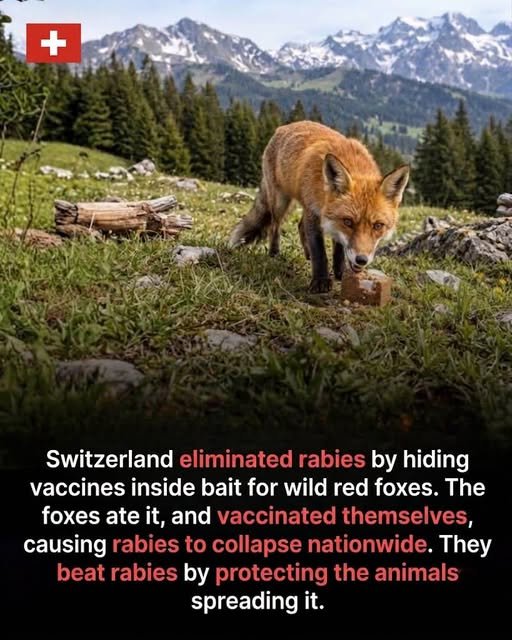
Every stray crow deserves kindness, warmth, food, and a safe place to rest. 🐦⬛❄️❤️ In the cold winter nights, a little compassion can mean everything. Let’s protect these beautiful souls and remind others that kindness costs nothing. 🌨️🏡✨🤍
Jellyfish Museum in Pompano Beach, FL, was really cool! Opened in late March of this year I believe.

A garter snake in your Florida beds is quietly working for you – it eats the pests chewing your plants and asks for nothing in return. Seven yard clues tell you one has already moved in.
7 Florida Yard Signs That a Garter Snake Has Moved In – and Why That’s Good News for Your Beds
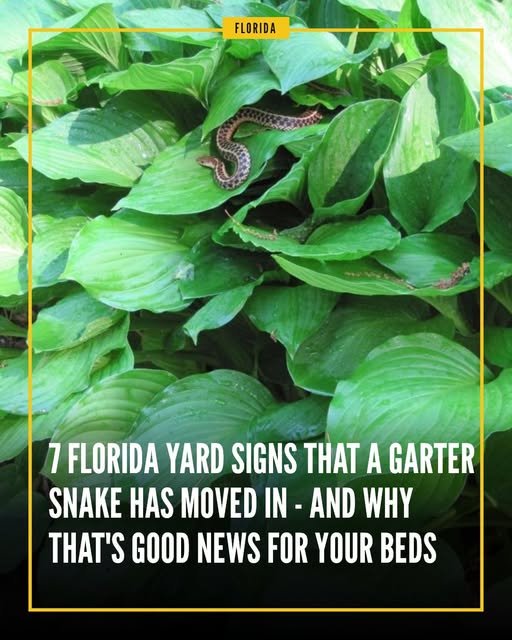
A black widow bite in a Florida garden is not something you “wait out.” The first few minutes matter.
Here is the exact, medically‑supported first‑aid sequence — no panic, just action.
🟥 1. Move away from the areaWidow spiders bite defensively when trapped. Once you step back a few feet, the danger of a second bite is gone. Sit down so symptoms don’t worsen with exertion.
🟦 2. Wash the bite immediatelyUse soap and water for 20–30 seconds. This is recommended by Poison Control, CDC, and medical authorities.
🟦 3. Remove rings, watches, braceletsSwelling can develop quickly. Removing tight items prevents circulation problems.
🟦 4. Apply ice — correctlyUse an ice pack wrapped in cloth, never directly on skin.Reduces painSlows venom spreadLimits swelling
Apply for 10–20 minutes, then pause.🟦 5. Elevate the bitten limbIf the bite is on your arm or leg, keep it above heart level.
🟥 6. Call Poison Control: Poison Help Hotline: 1 (800) 222-1222
They will tell you whether to go straight to the ER or urgent care.
🟥 7. Seek medical care — do NOT drive yourselfSymptoms can escalate fast:Severe abdominal or chest painMuscle crampingSweatingNauseaTrouble breathing
Go to urgent care or ER. Children, elderly adults, and people with heart conditions require immediate emergency care.
🟦 8. If safe, photograph or capture the spiderA clear photo helps confirm species.
Do not chase it or reach into dark spaces.
🟥 9. What NOT to do❌ Don’t suck the venom❌ Don’t cut the wound❌ Don’t apply a tourniquet❌ Don’t use suction devices
🟩 Quick 30‑Second ChecklistMove awayWash with soapRemove tight itemsApply cloth‑wrapped iceElevate limbCall Poison ControlHead to medical care🕷️ What the bite looks likeTwo small fang marks, redness, swelling, and pain that spreads within minutes to hours.
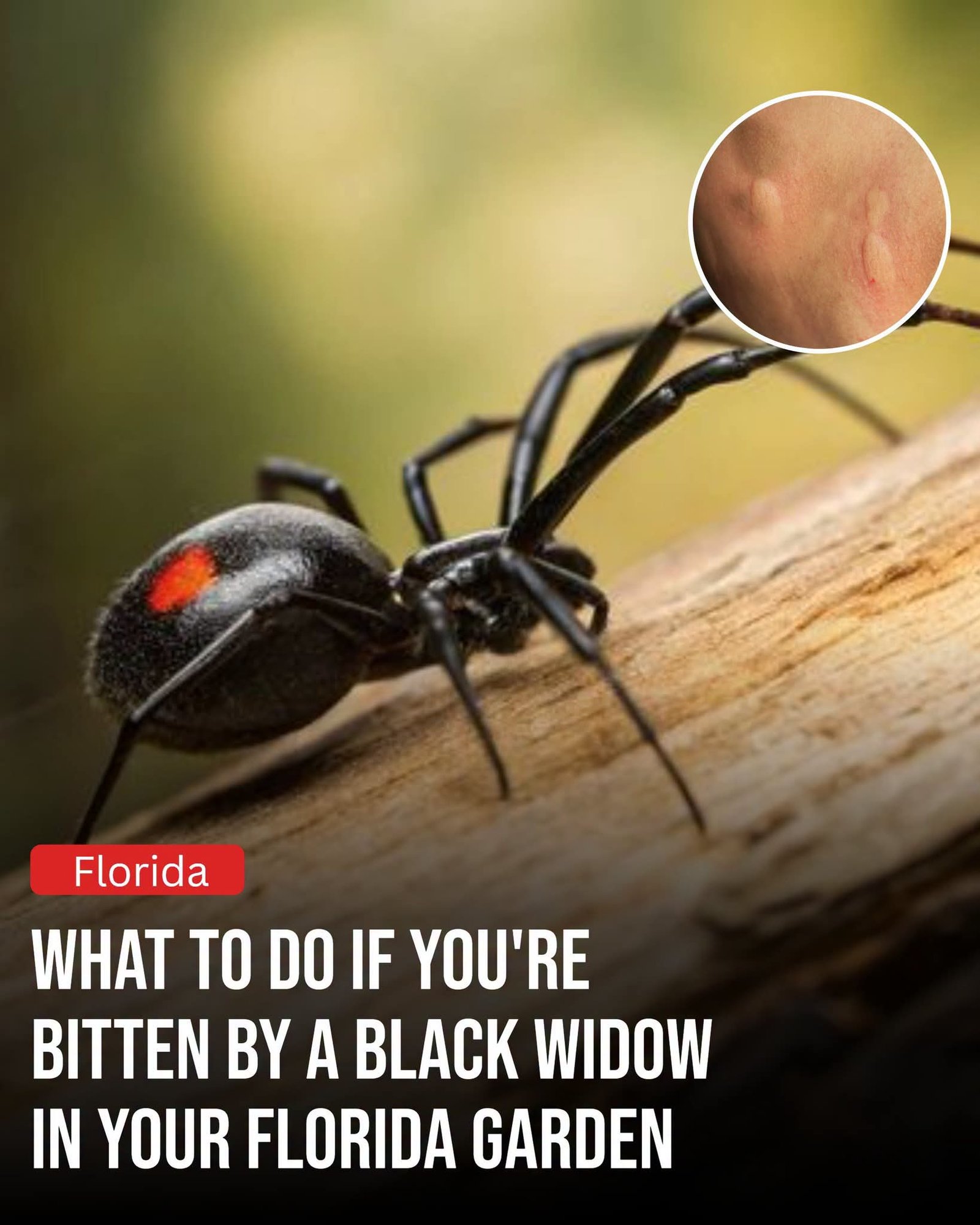
Some female stingrays have an impressive reproductive ability, they can store sperm inside their bodies for long periods after mating.
September doesn’t feel like snake season to most Florida homeowners. It’s actually one of the times they’re most likely to show up in the yard.
Why Florida Homeowners May Start Seeing More Snakes In Their Yards This September
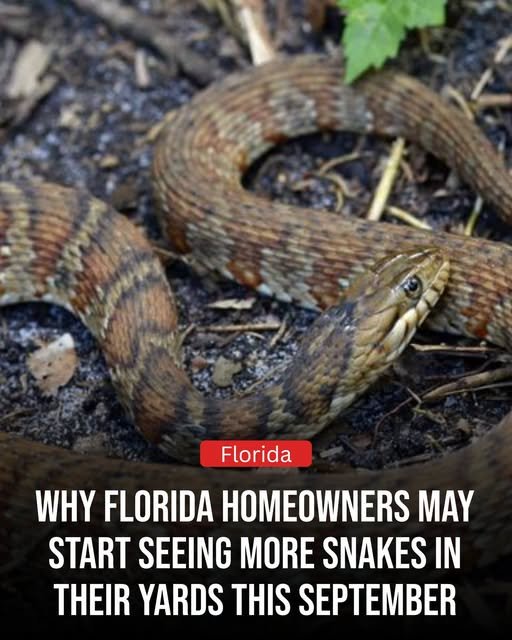
These invasive pests can do serious damage to crops, trees, and natural areas. Here are four to watch for this summer:
📍Spotted lanternfly
🪲 Asian longhorned beetle
🧽 Spongy moth
🦵Yellow-legged hornet
If you spot any of these, don’t move them. Report sightings to help protect agriculture, ecosystems, and communities.

🦩 FLAMINGOS HAVE RETURNED TO FLORIDA — NESTING AGAIN FOR THE FIRST TIME IN 100 YEARS
Something quietly miraculous is happening in Florida.
🔍 WHAT WE KNOW (FACTS & CONTEXT)
For the first time in over a century, wild American flamingos have returned to Florida and begun nesting.
Once native to the region, flamingos disappeared from Florida in the late 1800s and early 1900s due to:
• Overhunting
• Habitat destruction
• Wetland drainage
• Human interference
For generations, flamingos were thought of as:
• Zoo animals
• Lawn ornaments
• Imported curiosities
Not homegrown wildlife.
But they were always meant to be here.
Recent years have seen:
• Small groups reappearing after major storms
• Increased sightings in the Everglades and coastal wetlands
• Now — confirmed nesting behavior, the strongest sign of true return
Nesting means safety.
It means suitability.
It means the land is whispering, “You can stay.”
🤔 REFLECTION
Nature has a long memory.
Longer than ours.
Flamingos did not return because humans invited them.
They returned because conditions finally allowed them to survive again.
This isn’t just about birds.
It’s about:
• Ecosystems healing
• Wetlands slowly recovering
• Balance attempting to reassert itself
After a century of absence, life found a way back — not loudly, not triumphantly — but patiently.
🦩 They waited us out.
🌍 THE BIGGER PICTURE
Florida’s wetlands are among the most threatened ecosystems in North America.
They are also among the most resilient — when given even a little room to breathe.
The return of flamingos signals:
• Improving habitat quality
• Restored food chains
• A rare conservation win in a time of ecological loss
It’s a reminder that restoration is possible — even after generations of damage.
Not everything broken is gone forever.
🌱 CALL TO PRESENCE
Let this moment land gently.
Ask yourself:
• What else might return if we stop interfering?
• What heals when we choose patience over control?
• What has been waiting — quietly — for better conditions?
Nature doesn’t hold grudges.
But it does require space.
👇 Does this feel hopeful to you — or bittersweet?
What does the return of flamingos awaken in you?
Sometimes the world whispers good news.
We just have to slow down enough to hear it.
#Flamingos #FloridaWildlife #NatureReturns #EcologicalHope #Wetlands #HealingEarth #viralpost
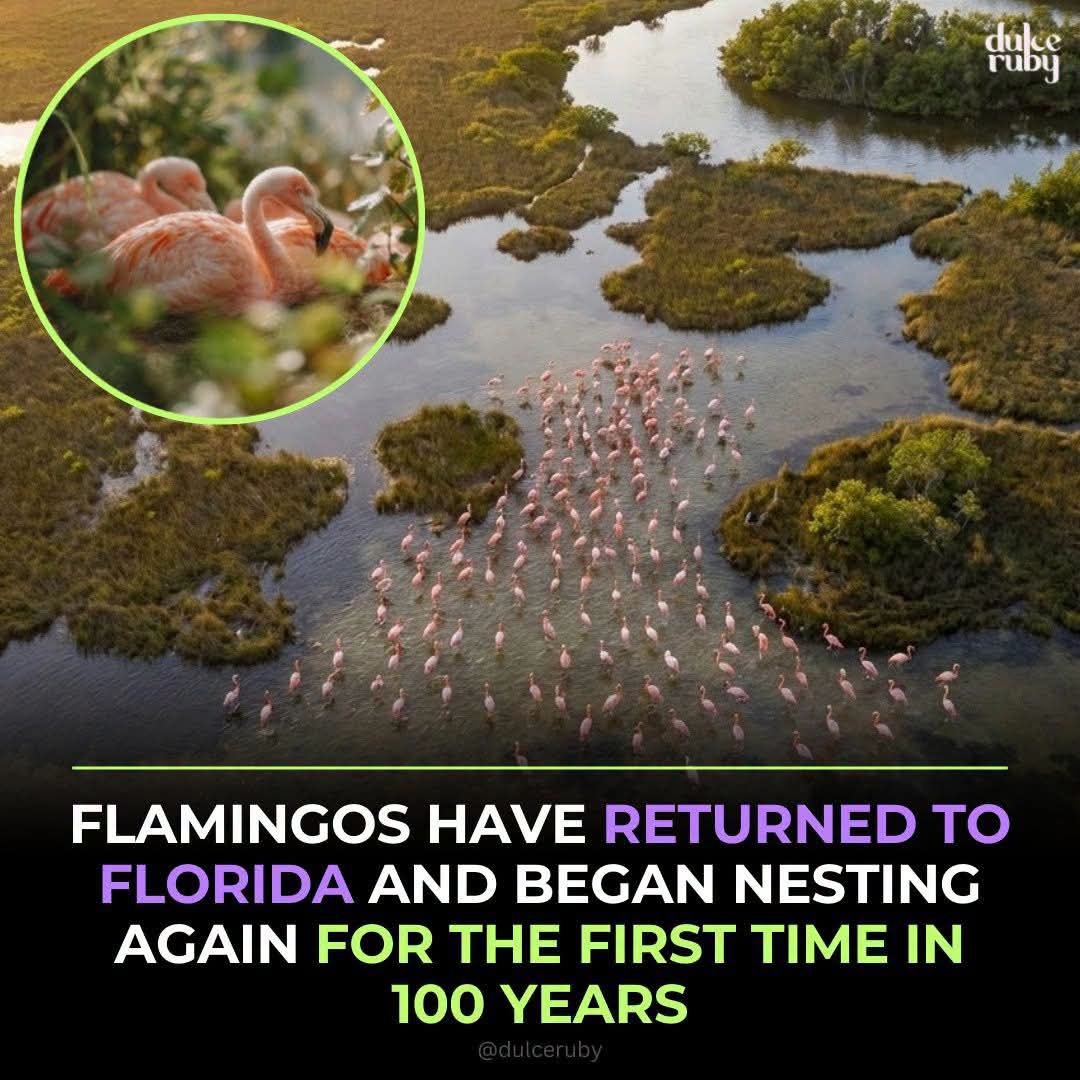
Police pulled over an elderly man after reports of an orangutan driving him to get his medication.
The elderly man had spent most of his life working in a circus before retiring with the one friend he refused to leave behind. A rescued orangutan he had raised for years.
For a while after retirement, he managed to get around by taking cabs, but after a few years, money got tight. Eventually, he said he had to choose between paying for a nurse or continuing to care for the orangutan who had become his family. He chose his best friend.
The problem was, he still needed help getting his medication. So he came up with the worst idea possible. He taught the orangutan to steer a small golf cart around the property, thinking it was harmless practice.
But one day, when it was time to pick up his medicine, police got a call about an elderly man riding around with an orangutan behind the wheel. An officer pulled them over and couldn’t believe what he was seeing.
The orangutan was sitting on the man’s lap, holding the wheel, while the elderly man helped with the pedals. When the officer asked what he was thinking, the man explained everything and said he didn’t see the issue.
“The only problem was he couldn’t reach the gas pedal himself,” the man said. “So I had him sit on me to drive better.” The officer didn’t laugh.
But after hearing the full story, he called someone to safely take the man home with the orangutan and made sure he got his medication.
He still gave him a ticket for reckless driving. And advise the man to forgive a way to get his nurse back.
#wholesome #animals

For more than 30 years, Mollie’s Pack has carried an unbroken family line stretching back to the historic wolves reintroduced to Yellowstone National Park in 1995. Named after Mollie Beattie, the first female director of the U.S. Fish and Wildlife Service who oversaw that reintroduction, the pack is Yellowstone’s oldest continuously documented wolf family, known for its rare ability to hunt bison, a skill that takes generations of learned cooperation to pull off. At the heart of the pack is 1090F, a 12-year-old matriarch and one of the oldest wolves ever documented in the park. Now, for the first extended period in the pack’s history, Mollie’s wolves, five adults and five young pups, have moved beyond Yellowstone’s protected boundaries into Wyoming’s trophy hunting zones. Wildlife advocates raised concerns to the Wyoming Game and Fish Commission, asking for a temporary closure of the relevant hunt area while the pack remains nearby. Instead, the Commission approved regulations allowing hunters to kill up to four wolves across the combined hunting areas between September 15 and December 31, a quota that does not specifically protect this particular pack. Conservation groups warn that losing even one experienced adult could disrupt the pack’s ability to hunt and protect its pups, and that the pack’s rare, decades old lineage cannot be replaced if lost. As the season approaches, Mollie’s Pack stands as a living reminder of one of America’s most celebrated conservation stories, now facing an uncertain future just beyond the park’s invisible boundary.
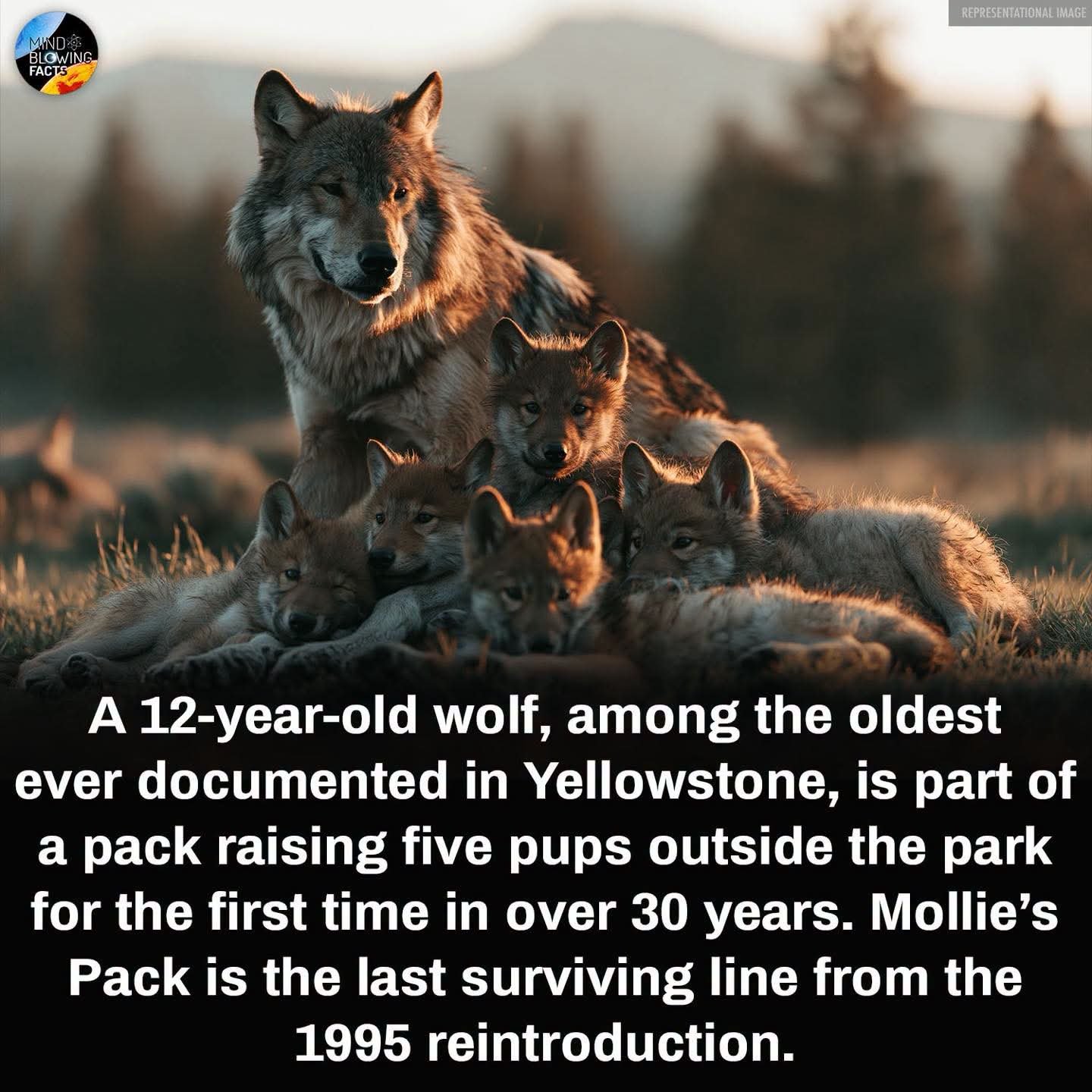
Let your pup thrive at Dogtopia of Fort Lauderdale – Downtown! Play, exercise, and socialization support a long, healthy, happy life. New customers, click now to claim a FREE week of play! 🐾
When your pet has an emergency, hours of waiting isn’t an option. Greenlight Pet ER in Plantation offers 24/7 expert care with minimal wait times. From digital X-rays to emergency surgery, we get your pet treated and back to your arms faster.
Walk-ins welcome. Open 24 hours, 7 days a week.

In early May, 33-year-old Anthony Pollio of Davie, Florida set out on the Mount Brown Lookout trail in Glacier National Park to watch the sunset, a hike that would end in tragedy. When he failed to return, rangers launched a search and later confirmed he had died in a bear encounter, marking the park’s first fatal grizzly attack in nearly 30 years. Following his death, the Interagency Grizzly Bear Committee opened a full investigation into what happened, examining DNA evidence, the scene, and the behavior of the bear involved. Their findings pointed to a specific and important conclusion. There was no evidence of predation or food caching, both signs that would suggest a bear was hunting a person as prey. Instead, investigators believe the attack was a defensive reaction after the bear was startled, likely made more likely by the fact that Pollio was hiking alone after sunset on a trail with limited visibility. DNA testing revealed the bear was at least 15 years old, a long-term resident of the park with no history of aggression, conflict, or prior capture. Based on these findings, park officials announced that no management action would be taken against the bear, meaning it will remain in the wild. The case has become part of a broader conversation about hiking safety in bear country, with officials renewing guidance to make noise on the trail, avoid hiking alone at dawn, dusk, or after dark, and always carry accessible bear spray, since surprise encounters remain one of the most common triggers for defensive attacks.
