Your brain is shaped less by what you plan to do and more by what you consistently repeat. Each time you perform the same behavior in a familiar situation, the brain reinforces the connections associated with that action. Eventually, something that once demanded attention can become an almost automatic habit. Repetition also influences how information feels to us. When we encounter the same statement repeatedly, it becomes easier for the brain to process, and that familiarity can make it seem more convincing a phenomenon known as the illusory truth effect. This is why the things you repeatedly practice, consume, and tell yourself can matter so much. Intentions may determine where you begin, but repetition determines what becomes familiar. Wanting to exercise does not create a routine, and wanting knowledge does not automatically produce mastery. Repeated action and practice are what gradually strengthen habits, skills, and patterns of attention that become part of everyday life.
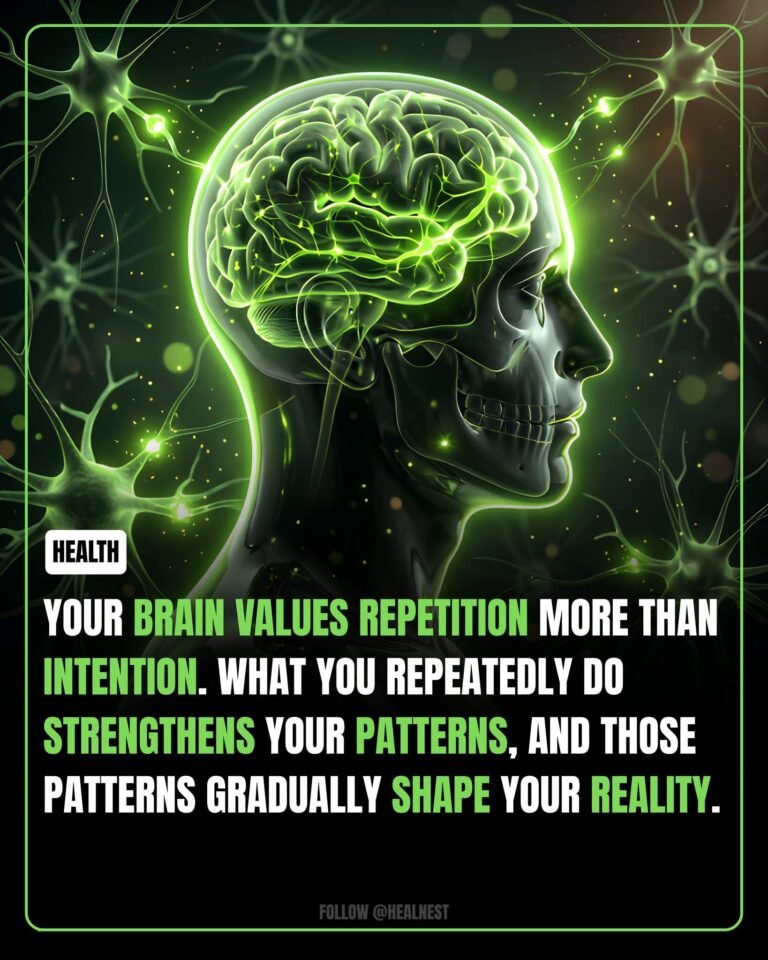
Your brain is shaped less by what you…
Create new listing
×
Post an Ad