













Posts by Topic
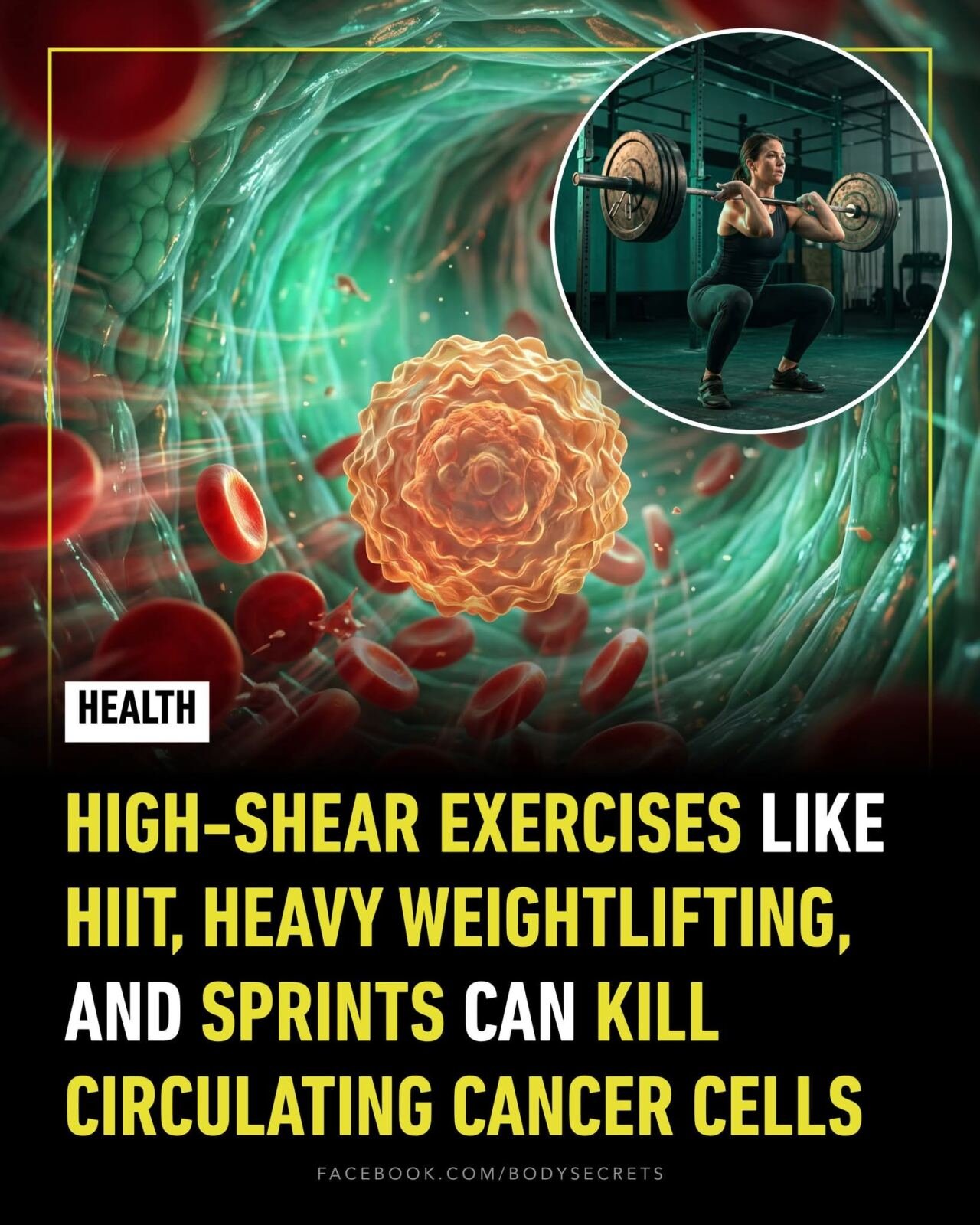
In a laboratory study published in Scientific Reports, researchers investigated how mechanical forces similar to those experienced during exercise affect circulating tumor cells. Using a microfluidic system and human breast cancer cells, they found that higher levels of fluid shear stress reduced cell viability and increased cell death under the experimental conditions. These findings offer insight into how blood-flow forces may influence circulating cancer cells, but they do not prove that intense exercise directly kills cancer cells in the human body or that exercise alone prevents or treats cancer.
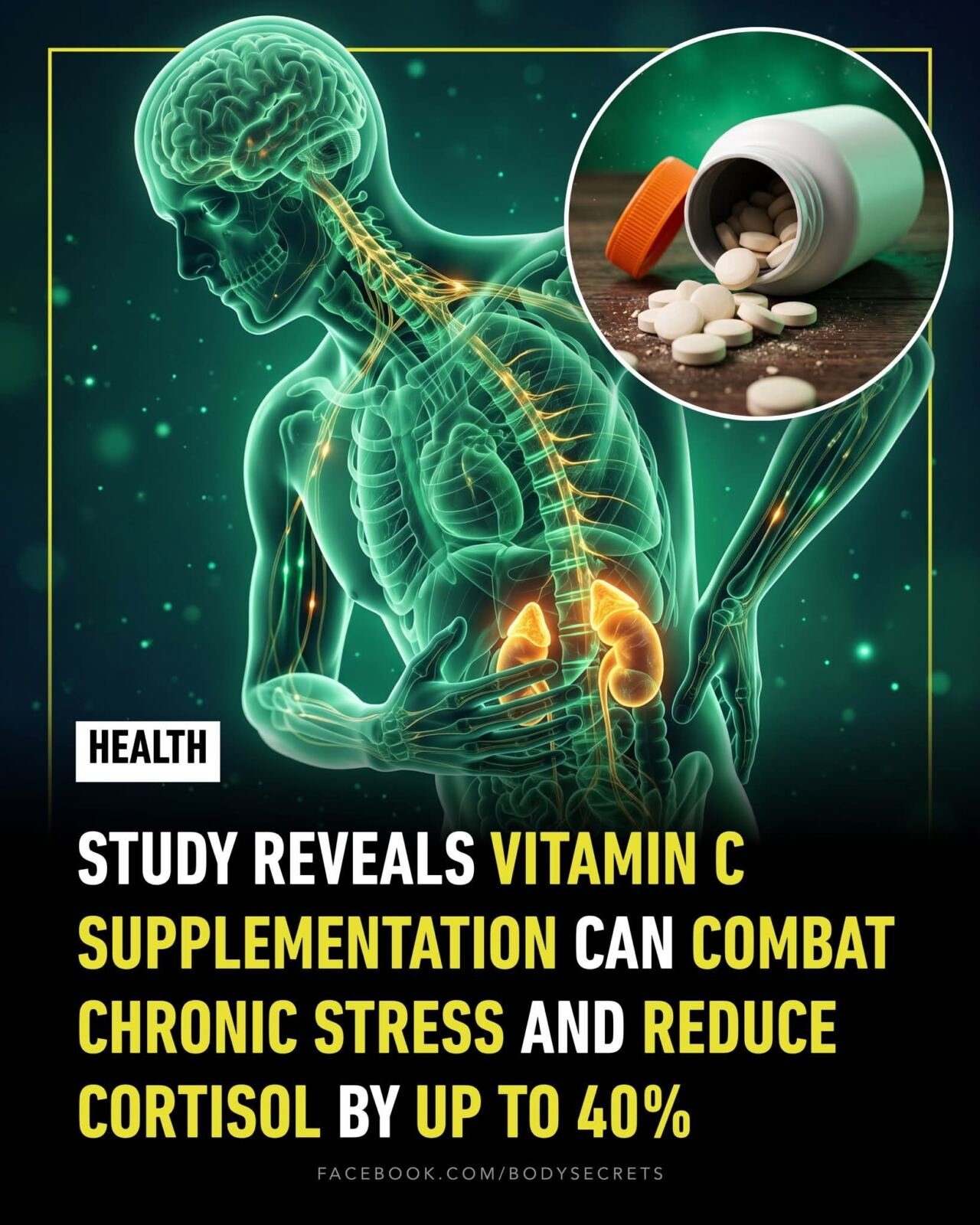
A 2024 study found that taking 1,000 mg of vitamin C daily for two months was associated with substantial reductions in elevated cortisol levels among women with functional hypercortisolemia linked to chronic stress. Vitamin C is concentrated in the adrenal glands and plays a role in hormone production, but further research is needed to establish whether supplementation consistently lowers cortisol in other populations.
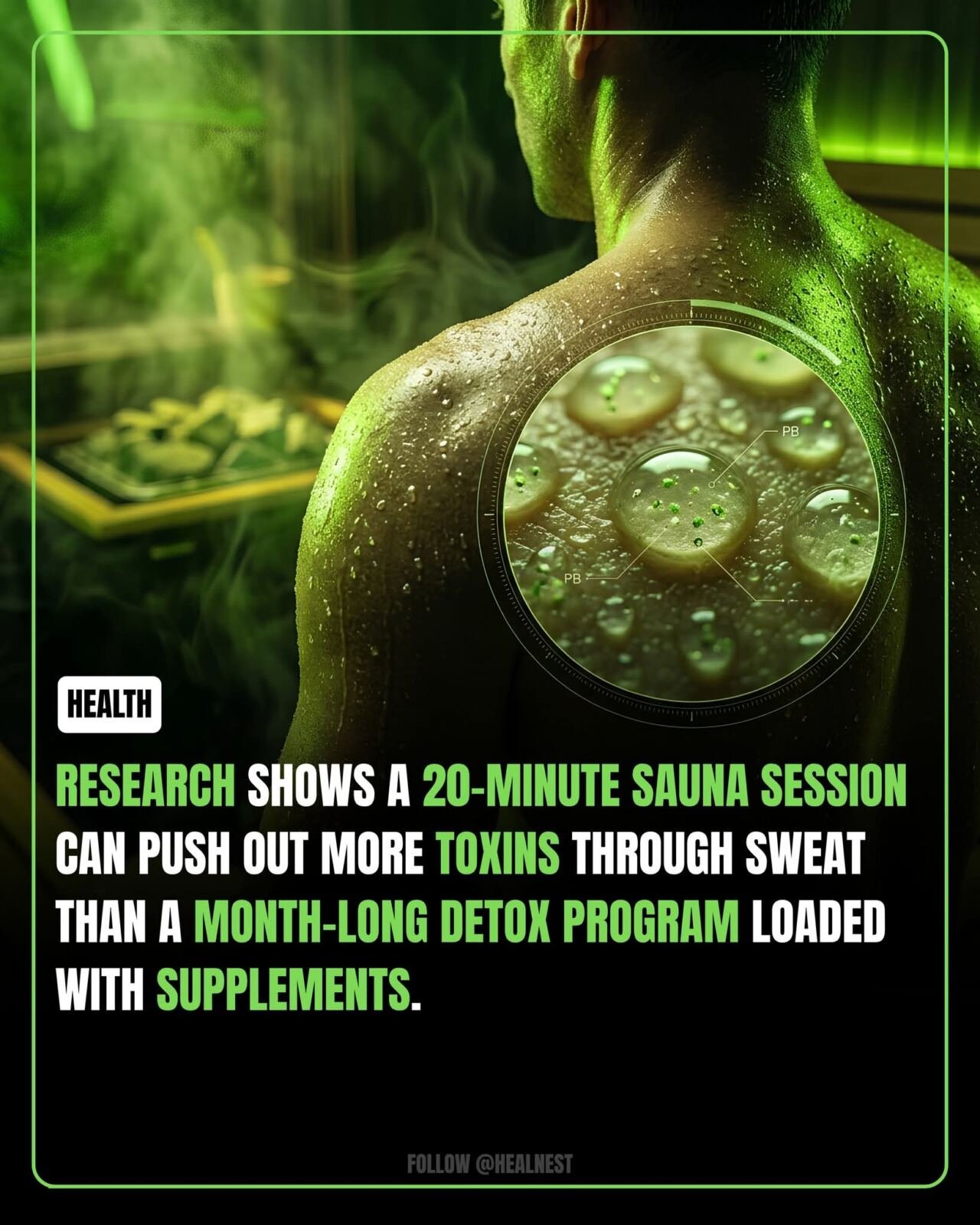
Sauna sessions can be a powerful addition to a wellness routine because intense heat triggers several natural responses throughout the body. As body temperature rises, blood circulation increases and sweat production accelerates, allowing small amounts of certain substances, including some metals, to leave through perspiration. At the same time, heat exposure challenges the cardiovascular system and activates cellular stress responses that researchers continue to study for their potential roles in recovery and overall health. A focused 20-minute sauna session can produce substantial sweating without requiring complicated routines, powders, or supplement stacks. The body’s primary processing systems still do most of the everyday work of filtering and eliminating waste, while sweating provides another pathway for releasing water, salts, and trace compounds. Rather than treating wellness as something that always requires expensive products, regular sauna use offers a simple, heat-based ritual that combines relaxation, circulation, sweating, and recovery in one straightforward session.
Florida doesn’t need to host the Olympics — we already live in them. Summer here is a full‑time competition: sprinting across burning parking lots, dodging 3PM storms, surviving I‑4 traffic, and navigating floods, lightning, lovebugs, and gators like it’s all part of the events lineup. From sandbag powerlifting to hurricane‑prep javelin, every day feels like a humid endurance final. This isn’t a sport. It’s just Florida life.

🧠 CHRONIC STRESS DOESN’T JUST AFFECT YOUR MIND. IT CAN CHANGE YOUR SLEEP, YOUR APPETITE AND EVEN WHERE YOUR BODY STORES FAT.
And one of the most frustrating parts? You can feel completely exhausted while your brain refuses to switch off.
You lie in bed tired but wired. You reach for your phone even though you know you should be sleeping. You wake during the night, and by morning, you feel like you barely rested.
THIS IS WHAT HAPPENS WHEN YOUR STRESS RESPONSE STRUGGLES TO SWITCH OFF.
Cortisol is an essential hormone. It helps regulate energy, metabolism and your natural sleep-wake cycle.
But prolonged stress can disrupt normal cortisol rhythms, interfere with sleep and influence appetite and abdominal fat accumulation.
It’s not simply a question of willpower. Your nervous system, hormones, sleep and daily habits are constantly influencing one another.
THE GOOD NEWS? YOU CAN START HELPING YOUR BODY WIND DOWN IN JUST 9 MINUTES.
And you don’t need expensive supplements or complicated equipment.
MINUTES 1–3: SLOW DIAPHRAGMATIC BREATHING
Lie comfortably with one hand on your chest and the other on your belly. Breathe in gently through your nose for 4 seconds, allowing your abdomen to rise.
Exhale slowly for around 6–8 seconds, without forcing your breath.
Repeat for 3 minutes.
Slow, comfortable breathing can encourage parasympathetic nervous system activity, helping reduce feelings of stress and physiological arousal.
MINUTES 4–6: GENTLE SPINAL TWIST
Lie on your back, bring one knee towards your chest and gently guide it across your body.
Keep your shoulders relaxed and breathe slowly. Switch sides halfway through.
This gentle movement can help release muscular tension around your back and hips, making it easier to settle into a comfortable resting position.
MINUTES 7–9: GENTLE ABDOMINAL MASSAGE
Remain lying comfortably and place your hands on your abdomen.
Use gentle, slow clockwise circular movements while continuing to breathe calmly.
For some people, abdominal massage may ease digestive discomfort and encourage relaxation.
Avoid painful pressure, particularly if you have an abdominal injury or medical condition.
HERE’S WHAT MATTERS MOST.
These techniques don’t physically squeeze cortisol out of your tissues or flush stress hormones through your lymphatic system.
Your body already processes cortisol through normal metabolic pathways.
What this routine can do is help reduce tension, encourage relaxation and create a consistent signal that your day is coming to an end.
And when you repeat that routine every evening, you’re building something powerful.
A HABIT THAT TELLS YOUR BODY IT’S TIME TO REST.
You might not transform your sleep overnight. But consistent relaxation practices can make it easier to unwind and may support better sleep over time.
9 MINUTES. EVERY EVENING.
No gym. No supplements. No expensive equipment.
Just your breath, gentle movement and a few minutes away from the constant stimulation of modern life.
💬 What’s harder for you: falling asleep, staying asleep or switching your brain off at night?
📌 Save this 9-minute routine for tonight and share it with someone who’s always exhausted but struggles to relax.
😴 Want to go beyond a single routine and build an evening environment that supports deeper, more restorative sleep?
Comment SLEEP and I’ll send you the details of my Regulated Sleep System, or check the link in my bio.
Follow @mindsetpowershifts for more.
Educational content only. This routine is intended for relaxation, not as a treatment for hormonal disorders, persistent insomnia or unexplained abdominal symptoms.

🌿 Aloe vera contains natural plant compounds, including polysaccharides, that researchers have studied for their soothing and anti-inflammatory properties
🫃 The inner gel of the aloe vera leaf contains a high amount of water and compounds being investigated for their effects on digestive tissues
🔬 Laboratory studies suggest that certain aloe compounds can influence inflammation and processes involved in tissue repair
🦠 Some aloe vera extracts have shown antibacterial activity in laboratory experiments, including against certain digestive bacteria
💚 Researchers continue to explore whether purified aloe vera preparations can support the protective lining of the digestive tract
✨ Refine Your Shape. Define Your Confidence.
Discover Awake Lipo 360 at BodyCare Liposculpture & Anti-Aging Clinic—targeting unwanted fat around the abdomen, waist, and back for a more sculpted silhouette.
A personalized approach with Dr. Rodger G. Stratt, tailored to your aesthetic goals.
📍 Fort Lauderdale, Florida
📲 Call or message us to schedule your complimentary consultation (954)765-1316
#AwakeLipo #Lipo360 #FortLauderdaleLipo #BodyContouring #BodyCareLiposculpture #Liposuction #BodySculpting #liposculpture
The Problem: Fighting the Wrong War
When things get hard, it’s easy to get stuck in the moment, feeling helpless for days or even weeks without knowing how to pull yourself out.
Here’s the trap: saying “I don’t want to feel like this” or “I can’t keep feeling this way” backfires. The subconscious doesn’t process negatives like *can’t*, *don’t*, or *won’t* — it just hears “want to feel like this… keep feeling this way.”
Our brains are wired for survival, and 80% or more of our thoughts default to negative, repeating the same messages day after day. So the real fight isn’t against outside circumstances — it’s against your own survival wiring.
Step One: Question the Thought
Recognize the negative thoughts that drive your emotions, then challenge them directly:
– Why do I think this?
– Who told me this?
– How is it actually proven?
Step Two: Reframe and Override
Replace the negative thought with a positive one of a completely different nature — “I’m going to feel great today. Something awesome is going to happen.”
Choose these thoughts deliberately and premeditate them. Know them before you sleep, recite them when you wake up, and align yourself with them from the start of the day.
Step Three: Put It Into Motion
– Smile and call someone — tell them something positive about themselves and that they’re going to have a great day
– Perform a random act of kindness — fill a stranger’s gas tank, buy someone’s coffee, pay a random compliment
– Be the light you want to feel, and you will feel it
Step Four: Keep Promises to Yourself
Self-esteem and confidence come from keeping your word — to yourself. Wake up early like you said you would. Eat healthy. Take the walk. Go to the gym. Read 10 pages. Write your goals.
A simple example: a 20-minute walk every day right after dinner can boost metabolism, improve insulin resistance, and help sleep. Ten days in, the shift in physical and mental health can be substantial.
The method:
– Pick one simple promise and keep it for 30 days
– After 7 days, stack on a second promise
– Keep stacking, one at a time
– This builds self-esteem, confidence, and momentum
The Core Principle
Forget what you’re going through — decide what you’re going to do, and be kind to yourself. Bring the body, and the mind will follow. Control the mind, control your life.
This power gets forgotten because we focus on fixing huge problems all at once. Instead, forget the problems — they’ll still be there regardless, and not all of them are solvable. Focus on one small promise. One small thought. That’s the foundation of a paradigm shift.
Protect the Shift
You never have to stay the person you’ve been — you can change in any given moment with new habits, better thoughts, better people.
– Remove people who only want to complain or sit in negativity with you
– If you’re complaining, you’re being that person — start by removing that version of yourself
– You can’t change others, but you can create distance without needing to explain
– Seek out people who talk positive, and talk positive in return
– Be grateful, look for the good, and say it out loud
– Get in motion — accomplish something, no matter how small
One thought. One promise. One action. Done consciously, every day. It’s really that simple.

Some kids are coming home from war every single day, and they’ve never left the house.
Brain scans have shown that children raised in unstable families carry brain changes similar to combat soldiers back from active duty.
The battlefield here is the kitchen. Nonstop arguing fills the air, and abuse and neglect are part of the routine. There’s no gunfire, but the brain adapts like there is.
A soldier eventually gets to come home. For these kids, home is the front line.
So that child who flinches at raised voices or never seems to relax isn’t being difficult. Their brain learned to stay on guard because it had to.

THIS IS SUPER EFFECTIVE FOR ULCER
Fresh cabbage juice may sound like an old-fashioned home remedy, but one early clinical report produced results that still attract attention today.
The research involved 13 hospital patients with confirmed peptic ulcers. Each patient drank freshly prepared cabbage juice throughout the day while researchers monitored healing through X-ray examinations.
Among seven patients with duodenal ulcers, the ulcer crater disappeared in an average of 10.4 days. Six patients with gastric ulcers experienced healing in an average of 7.3 days.
For comparison, medical literature cited in the paper reported average healing periods of approximately 37 days for duodenal ulcers and 42 days for gastric ulcers under the standard hospital treatments available at the time.
Researchers believed fresh cabbage contained a heat-sensitive substance capable of supporting the stomach’s protective lining and accelerating tissue repair. This proposed “anti-ulcer factor” was later popularly called vitamin U, although it is not officially classified as a vitamin.
Modern medicine now recognizes Helicobacter pylori infection and frequent use of anti-inflammatory painkillers as major causes of stomach ulcers. These usually require medical diagnosis and targeted treatment, so cabbage juice should not replace prescribed therapy.
Still, the findings remain an interesting example of how naturally occurring compounds in ordinary foods may influence the body’s repair processes—and why older nutritional discoveries sometimes deserve fresh scientific investigation.
PMID: 18104715.
#Drteewellnessandwealth
#Cabbage
#Ulcer
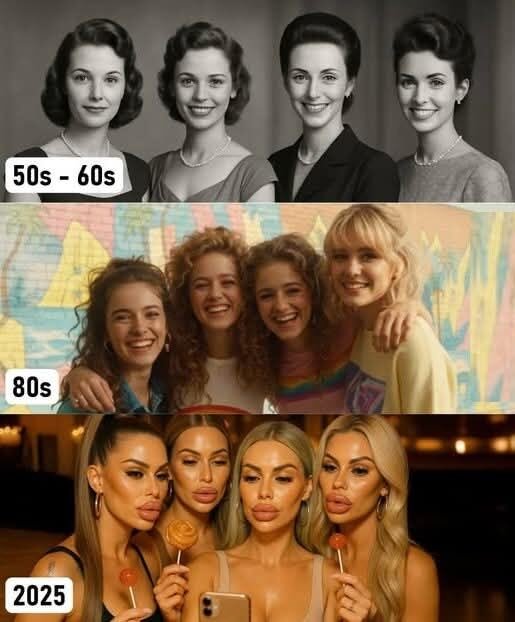
Three eras. Three beauty trends. But why does the middle photo feel so familiar? 👀
The polished elegance of the ’50s and ’60s. The big hair and carefree smiles of the ’80s. The camera-ready glam of today.
Some call it progress. Others miss when looking different was part of the charm. Maybe we’re just nostalgic for the years we grew up in. 🤎
Were the ’80s really the best—or would every generation choose its own?
Scientists have created a gel that helps teeth regrow using minerals from your own saliva. No drilling, no pain – just natural remineralization. Clinical trials are already done, and it could hit clinics within 3-5 years. #science #oralhealth #dentalcare #stackzvuitton #embnews
TOP OF THE WEEK “GET TO IT”💰🫡
E.M.B ENTERTAINMENT
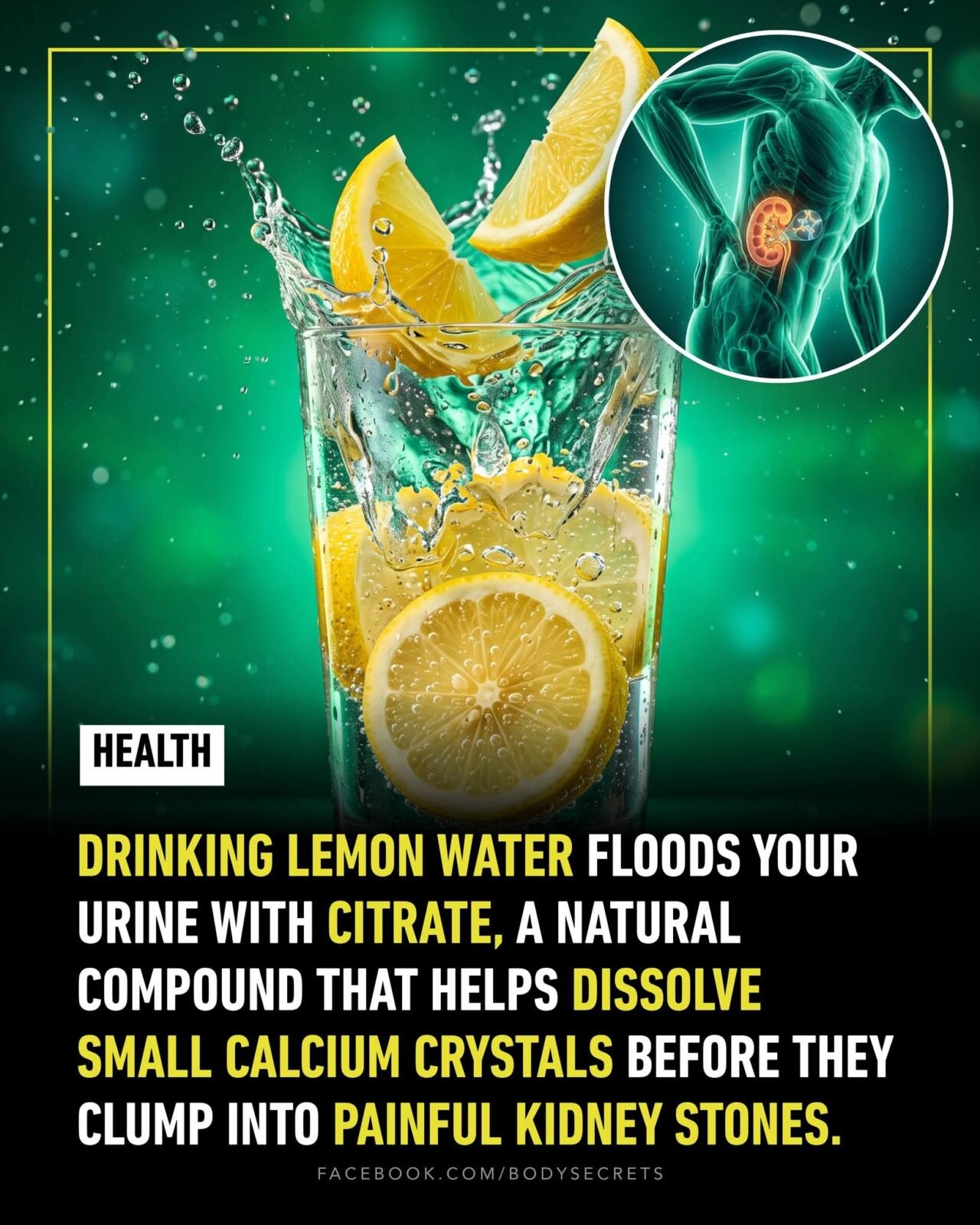
Lemon juice contains citrate, a compound that can help reduce the formation of certain calcium-based kidney stones by making it harder for crystals to grow and clump together. Drinking enough water also dilutes urine, which can help lower stone risk. Lemon water may support prevention, but its effects depend on the amount consumed and individual risk factors, and it is not a proven way to dissolve existing kidney stones.
💆♂️ The Power of Touch
What looks like a small favor actually sets off a chain of physical reactions that pull two people closer together. A scratched back does more than ease an itch. It taps into older biological wiring that helps the body relax. Couples who share this kind of quiet contact build a sense of safety that busy days tend to crowd out.
🧬 Chemical Harmony
When fingernails drag lightly across the skin, nerve endings fire and the brain gets the message to release oxytocin, the hormone most linked to bonding. The recipient tends to feel real changes in their body and mood:
* Cortisol drops, so stress and anxiety ease up.
* The parasympathetic nervous system takes over, shifting the body from alert to settled.
* Dopamine rises, bringing a small, natural lift that makes the moment feel good.
❤️ Beyond the Itch
The mental side carries weight too. A back scratch is a wordless way of saying, I see what you need and I want to help. Nothing is asked for in return. That kind of attention makes a person feel noticed and cared for, and it gives the relationship room for the kind of openness that only comes when both people feel safe.
😴 Better Rest
A few minutes of back scratching before bed can make sleep come easier. The steady motion and skin contact settle the mind and let the body settle too.
* Knots in the shoulders and back tend to loosen.
* Heart rate slows and steadies, which helps the body drift off.
* The focused sensation pulls attention away from phones and the day’s noise, giving the brain something simple to land on.
🐒 Ancient Roots
Primates spend hours grooming each other, and that behavior keeps group bonds tight and hierarchies settled. Humans carry a version of the same drive. Setting aside time for small, grooming-style care answers a basic need for contact and connection. A habit this basic can do a lot to keep a partnership steady when life gets loud.
Facts checked by @powermindset
Sources:
Psychology Today
Healthline
Scientific American
#powermindset #wellness #relationships #mentalhealth #oxytocin

🧠✨ Did you know? The more you intentionally focus on positive experiences, the more your brain can learn to notice them. This is one of the fascinating effects of neuroplasticity—your brain’s ability to adapt by strengthening and reorganizing neural connections in response to repeated experiences, thoughts, and behaviors.
Your brain naturally pays close attention to potential threats, criticism, and problems. This tendency, known as the negativity bias, helped our ancestors recognize danger and survive. But in everyday life, it can also make stressful experiences stand out while positive moments quickly fade into the background.
🔬 Here’s where the science gets interesting. Research in neuroscience shows that repeated mental practices, including gratitude and positive reflection, can influence brain activity involved in attention, learning, memory, and emotional regulation. A 2003 study published in Journal of Personality and Social Psychology by Robert Emmons and Michael McCullough found that participants who regularly recorded things they were grateful for reported improvements in aspects of well-being compared with those who focused on hassles. Over time, deliberately noticing positive experiences may help you develop a more balanced outlook and become more aware of small victories, supportive relationships, and opportunities you might otherwise overlook.
Neuroplasticity doesn’t mean you can eliminate negative thoughts simply by thinking positively. It means that the mental habits you repeatedly practice can influence how you respond to the world around you. Every time you pause to appreciate progress or recognize something good, you’re practicing a different way of directing your attention.
💡 A simple habit to try: Before bed, write down three good things that happened during your day—even if they’re as small as enjoying a meal, finishing a task, or having a meaningful conversation. Reflect on why each one mattered. With consistent practice, this may help you become more attentive to the positive experiences that are already part of your life.
🧠 You may not control everything that happens, but you can practice changing what you train your mind to notice.
#Neuroplasticity #Mindset #MentalWellness

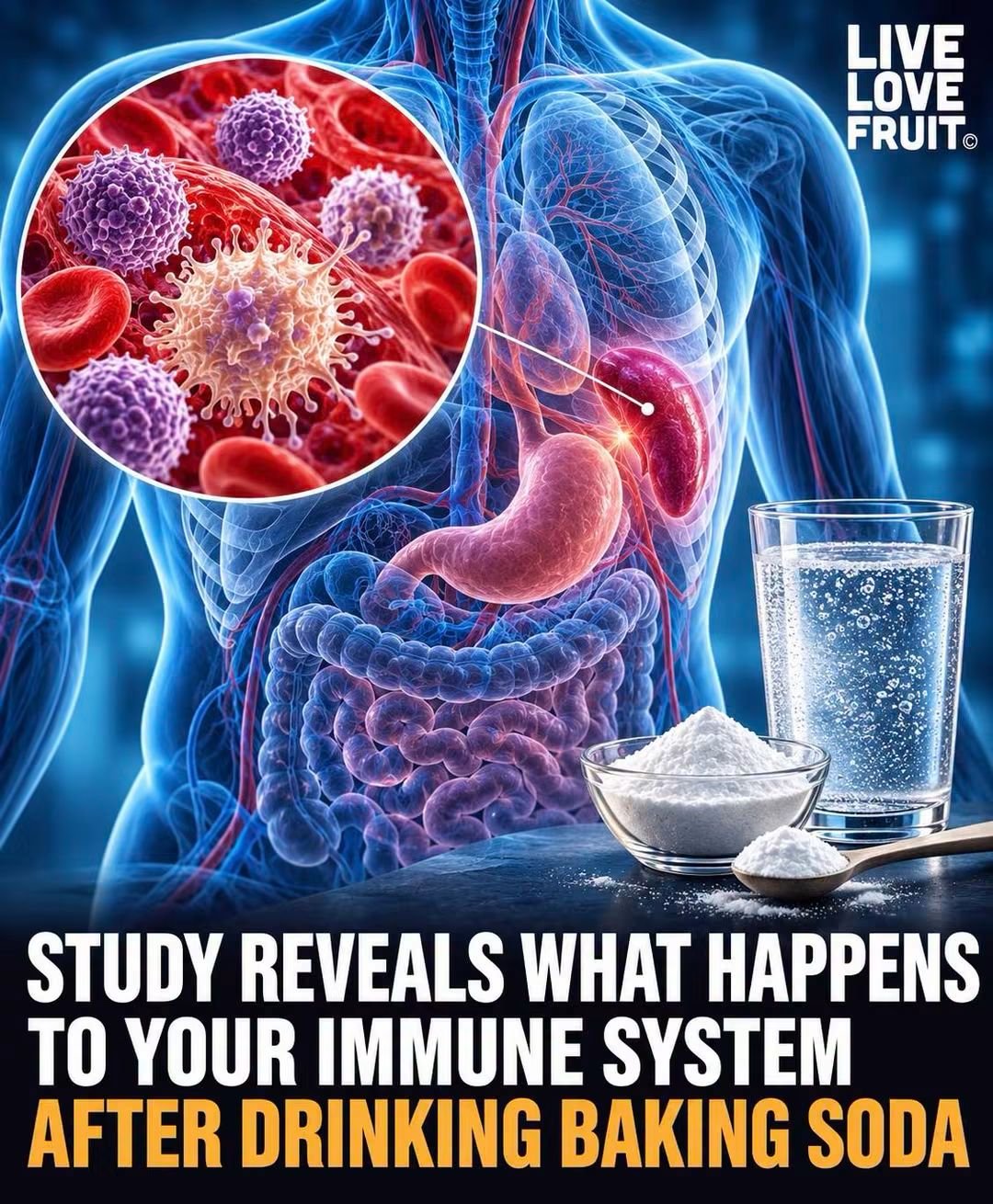
TISSUE REPAIR: This image was going around, so I decided to look up the information using GROK.
Basically, what drinking this solution does is to reduce the inflammatory causing macrophages, and it promotes the regulatory and resolution type macrophages. (look below the study for a description of how
Study:** Ray SC, Baban B, Tucker MA, et al. Oral NaHCO₃ Activates a Splenic Anti-Inflammatory Pathway: Evidence That Cholinergic Signals Are Transmitted via Mesothelial Cells. *J Immunol*. 2018 May 15;200(10):3568-3586. doi: 10.4049/jimmunol.1701605. PMID: 29661827. (Epub 2018 Apr 16.)
**Links:**
– Full text (PMC): https://pmc.ncbi.nlm.nih.gov/articles/PMC5940560/
– PubMed: https://pubmed.ncbi.nlm.nih.gov/29661827/
– Journal site: https://academic.oup.com/jimmunol/article/200/10/3568/7966279
**Summary of relevant findings:**
The study tested the hypothesis that oral sodium bicarbonate (NaHCO₃) intake stimulates splenic anti-inflammatory pathways.
In rats, oral NaHCO₃ loading shifted macrophage polarization from predominantly M1 (inflammatory) to M2 (regulatory) phenotypes and increased FOXP3⁺CD4⁺ T-lymphocytes in the spleen, blood, and kidneys.
Similar anti-inflammatory changes in macrophage polarization were observed in human blood after NaHCO₃ ingestion.
In the human portion, 12 healthy participants (6 men, 6 women; mean age 27 ± 2 years) received a single dose of 2 g NaHCO₃ dissolved in 250 ml of bottled water.
An additional 6 participants received equimolar NaCl in 250 ml water as controls.
Blood was collected at baseline and at 1, 2, and 3 hours post-ingestion (10 of 12 NaHCO₃ subjects had the 3-hour draw).
Flow cytometry showed a significant Treatment × Time effect on M1 macrophages (p = 0.0004) and TNFα-positive neutrophils (p = 0.0146), with greater reductions in these inflammatory cells after NaHCO₃ versus NaCl.
The largest decreases occurred at 2 and 3 hours after NaHCO₃. NaHCO₃ also increased the percentage of blood leukocytes identified as M2 macrophages (p = 0.00165).
The authors concluded that oral NaHCO₃ activates a splenic anti-inflammatory pathway, with evidence that the signals are transmitted to the spleen via a neuronal-like function of mesothelial cells
Q. What are the discussions regarding why the macrophages would be increased when ingesting this?
A.
Macrophages are not a single type of cell with one fixed role. They can polarize into different functional phenotypes depending on signals in their environment.
In the 2018 study (Ray et al., *Journal of Immunology*), the key observation was a **shift in polarization**, not a simple increase in pro-inflammatory activity:
– **M1 macrophages** (classically activated) decreased. These are the more pro-inflammatory subset. They produce mediators such as TNF-α and are associated with host defense and driving inflammatory responses.
– **M2 macrophages** (alternatively activated / regulatory) increased.
These are linked to resolution of inflammation, tissue repair, and anti-inflammatory functions.
They tend to produce mediators that dampen inflammation (e.g., IL-10) and support cleanup and repair.
The authors describe this as a shift “from predominantly M1 (inflammatory) to M2 (regulatory) phenotypes.” The same directional change was seen in rat spleen, blood, and kidney, and in circulating cells in the small human arm of the study after a single 2 g dose of NaHCO₃ in 250 ml water.
### Proposed mechanism in the paper
The researchers proposed that oral NaHCO₃ activates a **splenic anti-inflammatory pathway** that is part of (or closely related to) the cholinergic anti-inflammatory pathway. In brief:
– Ingesting the bicarbonate solution is thought to prompt the stomach to increase acid production.
– This appears to trigger signaling that reaches the spleen, involving mesothelial cells (the thin lining cells covering the spleen and lining body cavities). These cells stained positive for neuronal markers (PGP9.5) and acetylcholine esterase and had ultrastructural features resembling neuronal elements.
– The net effect in the spleen is a more anti-inflammatory immune cell profile (fewer M1-like macrophages, more M2-like macrophages, and more regulatory T cells).
– Interventions that disrupted the mesothelial connections or cut the vagal nerves below the diaphragm abolished or reduced the response in the rat experiments, supporting the idea that these signals are required.
In short, the increase was specifically in the M2 (anti-inflammatory/regulatory) subset, while the M1 (pro-inflammatory) subset declined. Macrophages as a group perform both inflammatory and resolution/cleanup roles; the phenotype determines which set of functions predominates at a given time. The study frames the NaHCO₃ effect as pushing the balance toward the resolution side via a spleen-centered cholinergic pathway.

Hypertension isn’t just “bad luck” or “too much salt.” It is often a Nitric Oxide (NO) Crisis.
NO is a gas molecule produced by the lining of your arteries (endothelium). Its job is to tell blood vessels: “Relax and open up.” When you are young, you produce plenty. Your arteries are flexible. But after age 40-50, your natural ability to produce NO plummets (by up to 50-60%).
Without this gas, arteries stiffen. The heart has to pump harder to push blood through narrower tubes. Pressure rises.
Fortunately, there is a “Rescue Pathway” that doesn’t depend on your age, but on your diet and your nose. You can create NO from Inorganic Nitrates in food.
⚡ Vital Advice: The N.O. Protocol:
Beets & Arugula: These are nature’s nitrate bombs. A glass of beet juice can lower systolic pressure by several points within 3 hours.
Ditch the Mouthwash: Antiseptic mouthwash kills the bacteria on your tongue that are required to convert food nitrates into Nitric Oxide. If you use Listerine daily, you are raising your blood pressure.
Humming: Humming a tune (“Mmmmmm”) for 5 minutes increases NO production in the nasal sinuses by 1500%.
📚 Source: Hypertension, “Inorganic Nitrate and Beetroot Juice Supplementation reduces blood pressure in adults”, 2013 Meta-Analysis.
#BloodPressure #NitricOxide #HeartHealth #Beets #Cardiovascular #Mouthwash

Researchers have identified toxin-producing gut bacteria that may help trigger multiple sclerosis (MS) in genetically susceptible people. The findings suggest a possible environmental trigger, but do not prove that these bacteria cause MS in humans.
The 2023 study, published in the Journal of Clinical Investigation, involved researchers at Weill Cornell Medicine in New York, including Yinghua Ma, David Sannino and Timothy Vartanian. It examined epsilon toxin (ETX), produced by certain strains of Clostridium perfringens, a bacterium associated with the small intestine.
Using highly sensitive PCR methods to detect bacterial DNA, the team found that people with MS were more likely than healthy controls to carry ETX-producing strains. These strains were also more abundant in the MS group.
Among ETX-positive samples, type D strains were most common, while fewer type B strains were detected. Both types can produce ETX, so the finding concerns toxin-producing strains rather than one bacterial subtype alone.
The researchers also tested ETX in experimental autoimmune encephalomyelitis (EAE), an established animal model used to study MS. ETX replaced pertussis toxin, which is commonly used to help immune cells access the central nervous system in this model.
The animals developed inflammatory damage to myelin, the protective covering around nerve fibers, across several brain regions. This pattern resembled MS more closely than disease concentrated mainly in the spinal cord.
ETX targets blood vessels in the central nervous system and can disrupt the blood-brain barrier, allowing greater immune-cell entry. Separate experimental research supports pathways through which ETX increases this barrier’s permeability.
Together, these findings strengthen the idea that a bacterial product from the gut could help initiate or worsen brain inflammation in susceptible individuals. MS organizations have highlighted the research as a meaningful step toward understanding potential disease triggers.

A new nasal spray reversed signs of brain aging and restored memory performance in preclinical trials — and it worked in just weeks.
Scientists at Texas A&M University have unveiled a potential game-changer in cognitive health: an experimental nasal spray that appears to reverse key markers of brain aging.
The therapy targets ‘neuroinflammaging’—the chronic, low-level inflammation deep in the brain’s memory center that slowly degrades cognitive function and increases the risk for conditions like Alzheimer’s disease.
By delivering microscopic biological packages known as extracellular vesicles directly into the nasal passages, the treatment easily bypasses the blood-brain barrier without requiring surgical or invasive procedures.
In preclinical trials, just two doses spaced two weeks apart produced remarkable results within weeks, calming hyperactive immune cells, restoring neuronal cellular energy, and significantly boosting memory performance for several months. While human clinical trials are still needed to confirm these findings in patients, the breakthrough suggests that age-related mental decline may not be an irreversible fate after all.
Researchers hope this accessible approach could one day offer a simple, non-invasive alternative to complex neurological treatments and prolonged medications.
source: Shetty, A. K., Narayana, M. L., & Kodali, M. (2026). Reversing age-related brain inflammation and cognitive decline using intranasal extracellular vesicles. Journal of Extracellular Vesicles.

A study published in the Journal of Consumer Psychology suggests that buying new clothes can deliver a brief lift in mood and help reduce stress by boosting self‑expression, confidence, and a sense of personal renewal. Researchers found that shopping experiences tied to identity and positive emotion can improve overall well‑being — though the effect tends to be short‑lived.

A seizure drug has just shown it can do something no approved arthritis treatment currently can. 🦴💊
Yale researchers published a study in Bioactive Materials finding that lacosamide, an FDA-approved epilepsy medication, can both relieve joint pain and reverse cartilage damage in osteoarthritis. The drug works by blocking Nav1.7, a protein previously thought to act only in pain-sensing nerves but also found to be overactive in cartilage cells during osteoarthritis. Effects were strongest when the drug was delivered directly into the joint via a specialized collagen hydrogel, which provided sustained, localized exposure at lower doses.
No currently approved drug addresses both osteoarthritis pain and the structural breakdown of cartilage. This preclinical finding opens a potential path toward a single treatment that does both.
#Osteoarthritis #JointHealth #Lacosamide #YaleMedicine #ArthritisResearch

This fact is based on a genuine medical case involving a condition called diphallia, an extremely rare congenital disorder in which a baby is born with two penises.
It is estimated to occur in roughly one out of every 5 to 6 million births, making it one of the rarest developmental abnormalities ever documented.
The Brazilian child mentioned in the story was described in a 2023 medical report. What made the case unusual was that both organs were developed, but only one had a functional urethra, the tube that carries urine out of the body.
Many people assume doctors would remove the smaller organ and keep the larger one. In this case, surgeons did the opposite.
They removed the larger penis because the smaller one was the functional structure connected to the urinary system and offered the best chance for normal development.

Your worn-out knee joints may have more healing power than doctors ever thought possible. 🦵🔬
A study published in Science on June 12, 2026 by researchers at Stanford Medicine found that a single injection blocking an aging-related protein called 15-PGDH can reverse cartilage loss in older mice, prevent arthritis after knee injuries, and trigger cartilage regeneration in human tissue samples taken during joint replacement surgery. The treatment works not by introducing stem cells but by nudging existing cartilage-producing cells called chondrocytes back into a more youthful, regenerative state. An oral version of the drug is already in clinical trials for age-related muscle weakness.
There is currently no approved drug that can regenerate cartilage. If this approach works in people, it could offer millions of arthritis sufferers an alternative to knee replacement surgery.
News Source: ScienceDaily, “Stanford scientists regrow lost cartilage and reverse arthritis in major breakthrough” (June 2026)
–
#Arthritis #KneeHealth #Cartilage #Stanford #MedicalBreakthrough

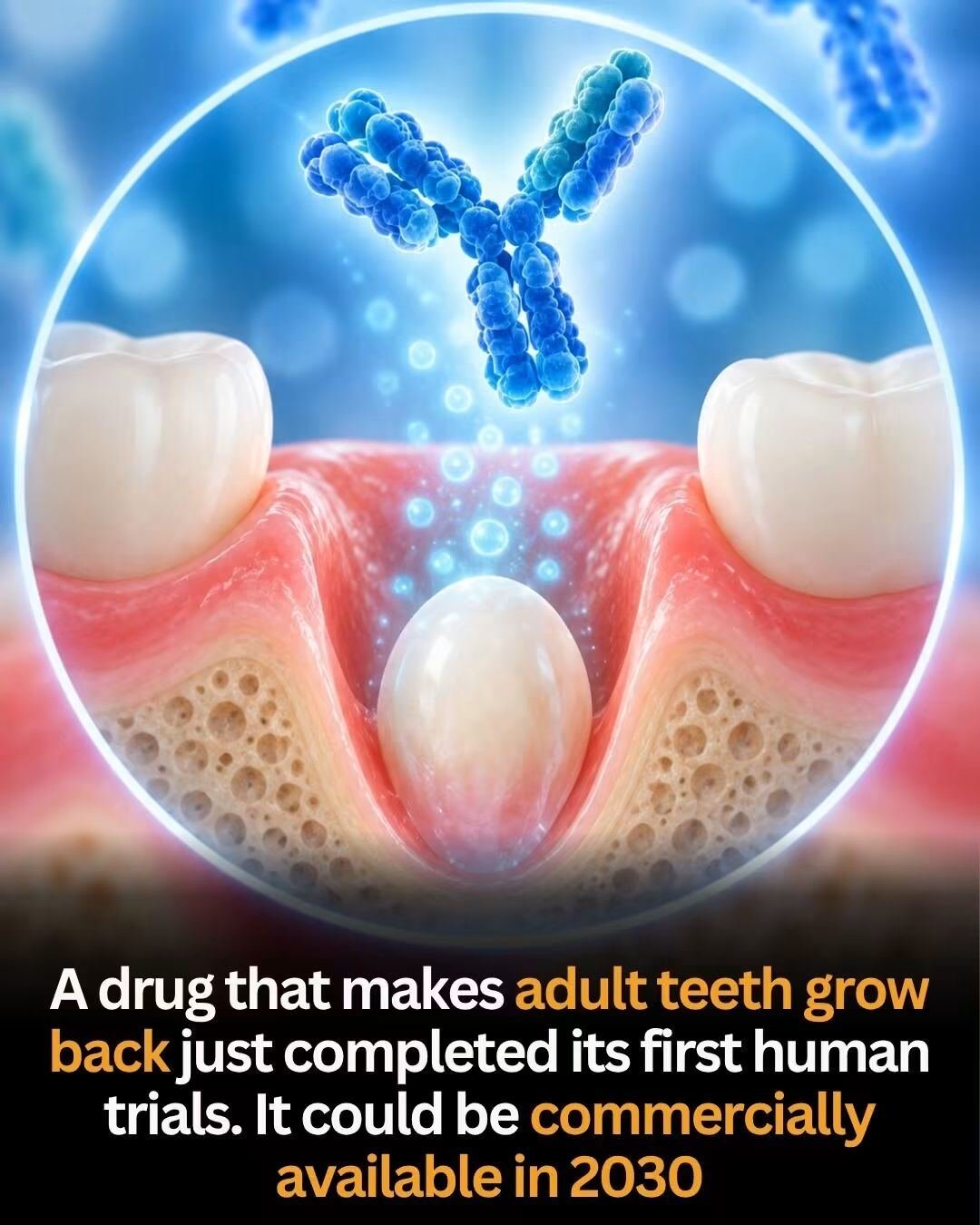
Scientists are developing an antibody-based drug designed to stimulate the growth of natural teeth, potentially opening a new approach to treating tooth loss.
Instead of replacing a missing tooth with an implant or denture, the idea is to activate the body’s own tooth-development mechanisms and encourage a new tooth to grow.
The medication blocks the USAG-1 protein, which normally acts as a biological “stop signal” or brake, preventing new teeth from developing once baby and adult teeth are in place.
Humans carry dormant, hidden tooth buds in their jaws. Blocking USAG-1 reactivates these cells to stimulate the growth of a natural third set of teeth.
The research is still experimental, so you can’t get this from your dentist yet. But if human trials ultimately prove it safe and effective, it could change the future of dentistry.
Would you choose to regrow a natural tooth instead of getting an implant?
Drinking dandelion tea in the morning can be a soothing way to add variety to your hydration routine, while providing plant compounds being studied for their potential health benefits. Dandelion contains polyphenols and other antioxidants, and its traditional uses include supporting digestion and urinary function. However, there is limited human evidence that dandelion tea directly improves kidney or liver function, cleanses the blood, or detoxifies the lungs, brain, heart, and other organs. Your liver and kidneys already perform essential detoxification and waste-removal functions, and drinking the tea on an empty stomach has not been proven to enhance these processes. A simple cup of dandelion tea can be part of a balanced wellness routine, but its benefits should not be confused with an all-organ detox.

💪🧬 Did you know? The more skeletal muscle you maintain as you age, the greater your physical reserve may be when illness, injury, or serious medical stress puts your body to the test.
Muscle isn’t simply tissue that helps you lift weights or move around. It’s a metabolically active organ that stores protein and amino acids your body may draw upon during periods of increased demand, including recovery from illness or injury.
This becomes especially important during serious disease. Cancer, severe infections, heart failure, and prolonged hospitalization can accelerate muscle loss. In cancer, severe muscle wasting is known as cachexia and is associated with reduced physical function, treatment complications, and poorer survival.
🔬 Researchers have repeatedly linked muscle health with survival.
A 2019 systematic review published in Annals of Oncology found that low skeletal muscle mass was associated with poorer survival among patients with cancer. Similar associations have been reported in other clinical populations, including people with cardiovascular disease and older adults.
But muscle does more than provide a reserve of protein. It’s also an active signaling organ. When muscles contract, they release molecules called myokines, which communicate with other tissues and influence processes involved in metabolism, inflammation, and overall health.
That doesn’t mean muscle alone determines whether someone survives a disease. Age, disease severity, nutrition, and many other factors matter. But maintaining muscle and physical function can help preserve the capacity to move, recover, and cope with physical stress.
And here’s the encouraging part:
You can build and maintain muscle throughout much of adulthood.
💡 Try this: Include progressive resistance training in your weekly routine, eat enough protein from suitable food sources, stay active, and prioritize recovery. If you’re older or managing a medical condition, adapt your exercise plan to your abilities and seek professional guidance when needed.
Think of muscle as a reserve account for your future self. You’re not building it only to become stronger today—you’re investing in the physical capacity you may depend on tomorrow.
💪 Muscle isn’t just about strength. It’s about preserving your ability to keep going when your body needs it most.
#MuscleHealth #HealthyAging #StrengthTraining

China has made promising progress in stem cell therapy for diabetes, with early research showing that it may help restore the body’s ability to produce insulin.
Researchers have reported encouraging results in patients with both Type 1 and Type 2 diabetes. However, these treatments are still under investigation and are not yet a proven cure for everyone.
While the findings offer hope for millions of people, more research is needed to confirm long term safety and effectiveness.
Disclaimer: Stem cell therapy for diabetes remains experimental in many settings. Do not stop insulin or prescribed diabetes medication without consulting your doctor.

Did you know that every ejaculation releases more than just sperm? Semen is a complex biological fluid containing proteins, enzymes, zinc, calcium, magnesium, selenium, and other substances that help nourish, protect, and transport sperm cells. Zinc is particularly important for male reproductive health because it contributes to normal sperm development, testosterone regulation, and cellular protection against oxidative stress. Scientists have also identified hundreds of different proteins in seminal fluid, each playing specialized roles in reproduction. However, the popular claim that every ejaculation drains exactly 5 milligrams of zinc and significant amounts of essential nutrients is misleading. The actual amount of zinc and other minerals released varies depending on semen volume, individual physiology, and reproductive health. Identifying hundreds of proteins in semen also does not mean the body loses hundreds of grams of protein. In reality, the nutritional losses from a typical ejaculation are relatively small and are normally replenished through everyday nutrition. Your body continuously produces sperm and seminal fluid, using nutrients obtained from a balanced diet. Age, hydration, diet, and ejaculation frequency can influence semen characteristics, meaning the biological composition is not identical for every man or every ejaculation. Maintaining adequate zinc intake, eating protein-rich foods, exercising regularly, and getting sufficient sleep are far more important for long-term reproductive health than worrying about nutrient depletion from normal sexual activity. Ejaculation does not ordinarily cause nutritional deficiency, chronic weakness, or significant energy loss in healthy men. Understanding the science behind semen composition helps separate fascinating biological facts from exaggerated health claims.

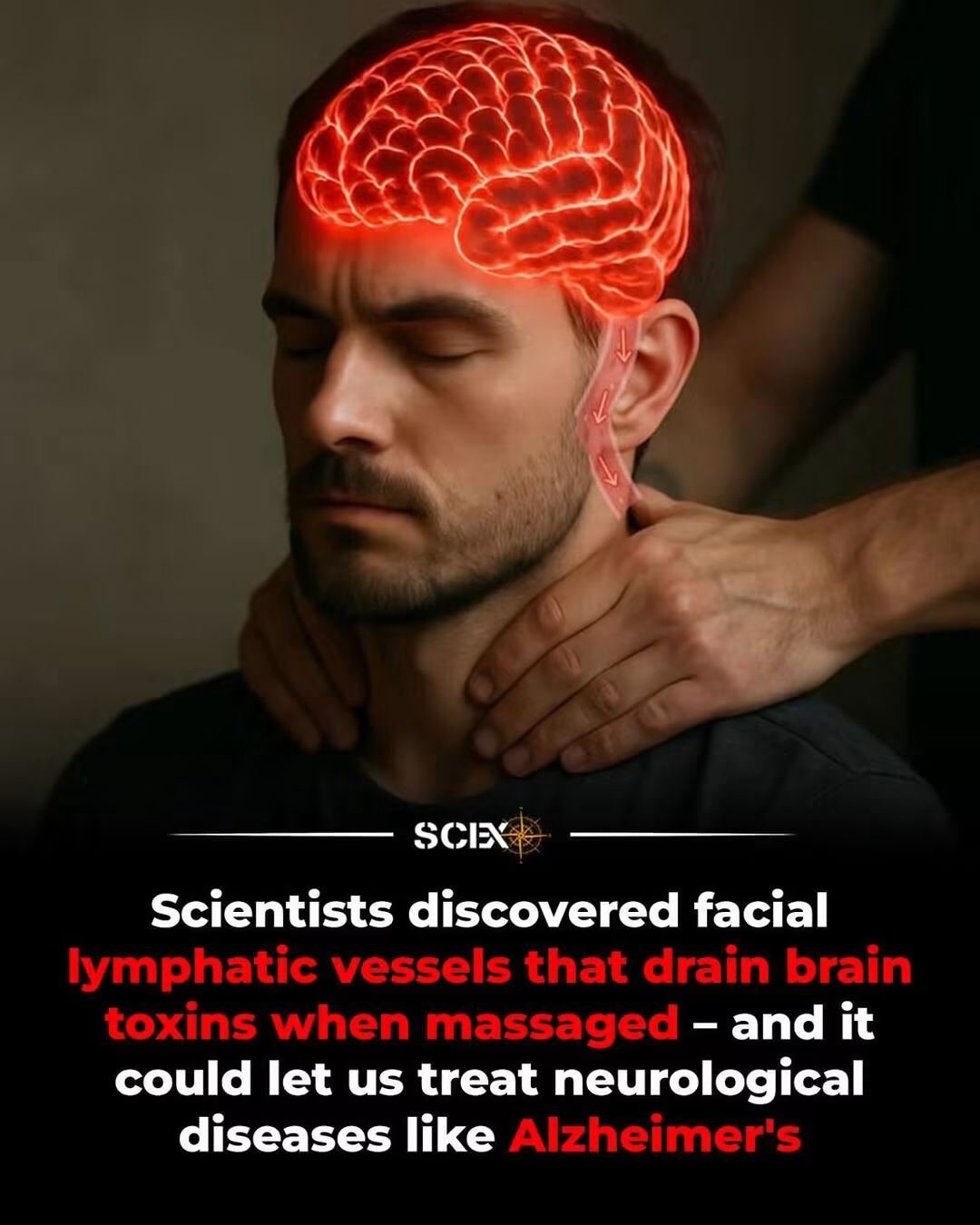
A gentle mechanical treatment doubled the brain’s fluid drainage—but so far, the breakthrough has been demonstrated only in mice.
Scientists mapped previously overlooked pathways that carry cerebrospinal fluid from the brain through lymphatic vessels around the face and neck. This fluid helps remove metabolic waste and proteins such as amyloid-beta and tau, which are associated with neurodegenerative diseases.
Using a force-controlled device to stimulate superficial lymphatic vessels through intact skin, researchers doubled cerebrospinal fluid outflow and restored impaired drainage in aged mice—without drugs or surgery.
The results could eventually inspire wearable or clinical devices designed to support the brain’s natural clearance system. However, this was not an Alzheimer’s-prevention trial, and there is currently no evidence that ordinary facial or neck massage can prevent the disease in humans. Human studies are still needed to establish safety and effectiveness.
Source: Jin et al., “Increased CSF drainage by non-invasive manipulation of cervical lymphatics,” Nature, published June 4, 2025.
🌿🧠 Did you know? Spending just a few minutes looking at trees, plants, or green landscapes may help your mind feel calmer after a stressful day.
Your brain is constantly processing information from your surroundings. Busy streets, traffic, notifications, and crowded environments demand attention. Natural settings, on the other hand, may give your mind a chance to recover from that constant mental effort.
This idea is explored through Attention Restoration Theory, which suggests that nature can engage your attention gently without requiring the same effort as demanding everyday tasks. The result may be a feeling of mental refreshment and reduced stress.
🔬 Research Spotlight: A 2019 study published in Frontiers in Psychology found that spending at least 20 minutes in a natural setting significantly reduced cortisol levels, a hormone involved in the body’s stress response. Researchers called this a “nature pill,” highlighting how time spent in nature may support stress reduction.
Other research suggests that even viewing natural scenery can influence mood and stress responses. While looking at something green isn’t a guaranteed way to switch off your nervous system, natural environments may help some people feel safer, more relaxed, and less mentally overwhelmed.
💡 Try this: Step outside and look at trees, grass, or plants for a few minutes. If you can’t get outdoors, try placing a plant near your workspace or looking out a window with a natural view. Put your phone down, relax your shoulders, and let your attention settle on the details around you.
You don’t always need another app, another productivity trick, or another distraction. Sometimes, giving your mind a moment with the natural world is a simple place to start. 🌱
#NatureAndMentalHealth #StressRelief #NervousSystem

Collagen is the body’s most abundant protein and a major structural component of tendons, ligaments, cartilage, skin, and other connective tissues. Tendons can adapt more slowly to exercise than muscles, making gradual training and adequate recovery important. Collagen-rich foods or supplements may support tendon remodeling alongside exercise, but a lack of dietary collagen is not established as the reason tendons or joints fail before muscles.

Scientists have created a detailed 3D map of the clitoris’s nerve network, bringing new attention to an area of human anatomy that has remained surprisingly understudied.
Researchers at Amsterdam University Medical Centers used advanced X-ray imaging to trace the clitoris’s major sensory nerve and its branches. The study examined two donated female pelvises, producing a detailed view of how these nerves extend into surrounding tissue.
Supporters of the research say better anatomical knowledge could help improve surgical techniques and reduce the risk of nerve damage during pelvic and reconstructive procedures. The findings also highlight why studying female anatomy in greater detail matters for healthcare and medical education.
However, the study is based on only two donated specimens, and the findings need further research before broad conclusions can be drawn. The work is an important early step, reminding us that understanding the human body requires continued scientific curiosity and equal attention to areas long overlooked.
#ScienceNews #MedicalResearch #HumanAnatomy #HealthDiscoveries

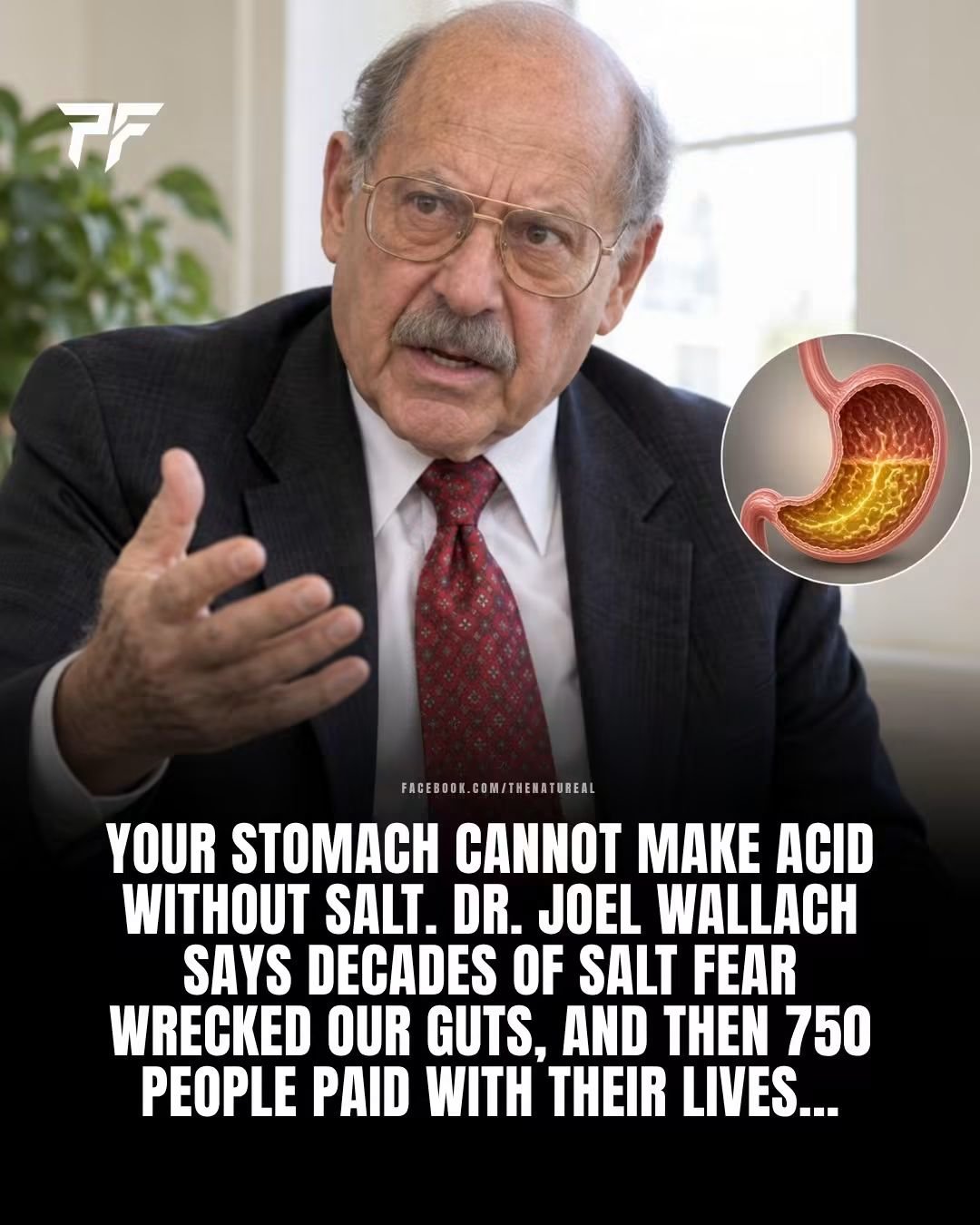
Dr. Joel Wallach has argued that salt is essential for the stomach to produce hydrochloric acid, describing sodium chloride as the raw material needed for stomach acid and digestion. He has also linked low-salt diets to reduced stomach acid, digestive problems, reflux, and impaired absorption of nutrients. In his discussions, Wallach has strongly criticized decades of advice encouraging people to restrict salt, arguing that the focus on reducing salt overlooked its role in normal digestive function.
The more dramatic part of the story centers on the consequences Wallach associates with salt restriction. He has described low-salt diets as potentially contributing to serious health problems and has pointed to deaths that he says resulted from restricting salt. One account connected to this narrative describes a person dying after salt was restricted because of an underlying condition, while Wallach’s broader argument is that fear of salt has caused people to deprive their bodies of a mineral needed for digestion and other vital processes.
There’s a reason ultrasounds are used far more often than MRI scans during pregnancy, and it isn’t because MRI uses radiation.
Ultrasound uses sound waves to create images of a developing baby, allowing doctors to observe movement in real time. It’s quick, widely available, and well suited to routine prenatal checkups.
MRI works differently. It uses strong magnetic fields and radio waves, not ionizing radiation, and can provide more detailed images of certain structures when doctors need additional information. However, MRI scans take longer and generally aren’t necessary for routine pregnancy monitoring.
And those unusual images that make babies look like tiny creatures from a science-fiction movie? They’re simply cross-sectional views of anatomy that can look strange when viewed outside their medical context.
Inside the womb, babies don’t look like monsters. Sometimes, it’s just the way medical imaging captures the human body that makes familiar things appear extraordinary.
#Pregnancy #MedicalScience #Ultrasound #MRI #HumanBody

THE GARBAGE TRUCK OF THE BODY.
You have 3x more Lymph Fluid than blood. This fluid collects toxins, dead cells, and cancer cells. But unlike blood, which has the heart, the lymph system has no pump. It relies 100% on muscular contraction and gravity to move the trash to the lymph nodes (neck, armpits, groin) to be destroyed. If you sit all day, your lymph creates a swamp. You get swollen, tired, and sick.
Enter Rebounding (The Mini-Trampoline): NASA studied this in the 80s for astronauts returning from space. They declared it “The most efficient and effective form of exercise yet devised by man.” Why? G-Force.
Bottom of the bounce: You experience 2-3x gravity. Every cell in your body becomes heavier. The lymph valves open.
Top of the bounce: You are weightless. The valves close. This rhythmic oscillation acts like a massive vacuum pump for your entire lymphatic system. It cleanses the cellular environment faster than running, without the joint impact.
It also increases bone density and improves balance (proprioception) by stimulating the inner ear.
VITALSHOTS TIP (The Morning Bounce):
“The Lymph Flush: You don’t need to do backflips.
Get a cheap mini-trampoline.
The Health Bounce: Just lift your heels, keeping toes on the mat. Gentle bouncing.
Do this for 5-10 minutes first thing in the morning.
It wakes up your brain and flushes the “night trash” out of your system.”
Source: Journal of Applied Physiology. “Body acceleration distribution and O2 uptake in humans during running and jumping”. / NASA Rebound Study.
#Rebounding #LymphaticDrainage #Detox #NASA #Trampoline #CellularHealth #Immunity

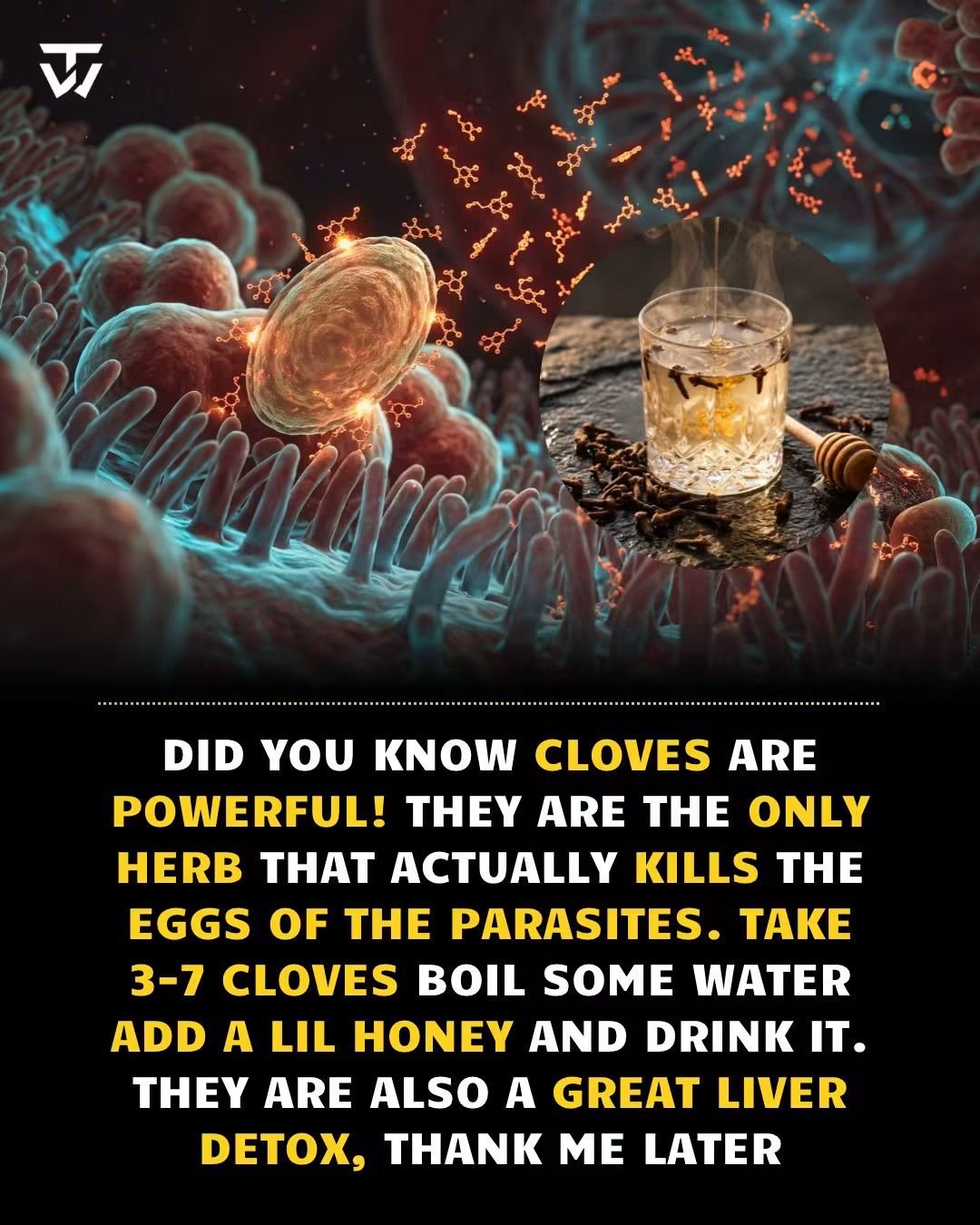
Did you know cloves contain eugenol, a powerful plant compound that has shown antiparasitic activity in laboratory and animal studies? Research has found clove oil and eugenol can damage certain parasites and inhibit parasite eggs or larvae, although this has not been established as a proven human parasite cleanse. Cloves also contain antioxidants that have been studied for potential liver-protective and anti-inflammatory effects, but they are not a clinically proven “liver detox.” A simple clove tea with a little honey can be enjoyed as a traditional drink, but high doses of clove oil or concentrated eugenol can be harmful, so more is not necessarily better. This tiny spice has powerful chemistry, but its strongest medical claims still need better human evidence.
🥛🟠 Did you know? More people are using copper water containers after learning that copper can naturally help reduce certain harmful microbes in stored water.
Copper has been used for water storage for thousands of years, long before scientists understood why it seemed to help keep water fresh.
Today, researchers know that copper can release tiny amounts of copper ions into water. These ions can interact with bacterial cell membranes, damage their structure, interfere with essential enzymes and disrupt processes the microorganisms need to survive.
Studies published in the Journal of Health, Population and Nutrition and Applied and Environmental Microbiology have found that storing water in copper vessels can significantly reduce populations of certain bacteria, including microorganisms associated with waterborne illness.
The antimicrobial effect isn’t limited to water storage either. Copper surfaces are also used in healthcare environments because copper can continuously interact with microbes that come into contact with the surface.
There is an important practical detail, though: copper works gradually and against specific microorganisms. A copper container isn’t the same thing as a water purification system, so properly treated water is still essential when contamination is a concern.
It’s also worth remembering that copper is an essential mineral, but excessive exposure can be harmful. Using a container designed specifically for drinking water and following its care instructions is the safest approach.
💡 Try this: If you use a copper water bottle or vessel, fill it with safe drinking water, let it sit according to the manufacturer’s instructions, then drink it as part of your normal hydration routine.
The fascinating part isn’t that copper is a modern trend—it’s that one of humanity’s oldest water-storage materials has a scientifically documented antimicrobial property. 🟠
#CopperWater #HealthScience #WaterSafety

A popular joint supplement has been linked to an unexpected 25% faster progression from early memory loss to dementia.
For decades, millions have relied on glucosamine for osteoarthritis symptoms. However, new research published in Nature Metabolism by neuroscientists at the University of Florida suggests this common supplement may have an alarming downside for brain health.
By analyzing over a decade of electronic health records, researchers found that patients with mild cognitive impairment who regularly took glucosamine experienced a 25% higher risk of progressing to full dementia compared to non-users.
Even more concerning, among those already diagnosed with Alzheimer’s or related dementias, regular glucosamine use was linked to a 25% increase in mortality risk.
To understand the science behind this connection, the research team conducted laboratory experiments and analyzed postmortem human brain tissue. They discovered that glucosamine, which easily crosses the blood-brain barrier, hyperactivates a biological process known as ‘sugar-tagging’ or hyperglycosylation.
This pathway is already overactive in Alzheimer’s-affected brains, and the extra sugar-tagging from the supplement appears to accelerate protein damage and memory decline. While these observational findings do not definitively prove that glucosamine causes cognitive decline, experts warn that individuals with existing memory issues should consult their healthcare providers before starting or continuing the supplement.
source: Hawkinson, T. R., Liu, Z., Guo, Y., Bian, J., Gentry, M. S., & Sun, R. (2026). Hyperglycosylation is a metabolic driver of Alzheimer’s disease. Nature Metabolism.

In the world’s “blue zones” — regions such as Sardinia, Italy, and Okinawa, Japan, known for unusually high concentrations of long-lived residents — researchers have studied dietary and lifestyle habits for clues to healthy aging and longevity
https://www.foxla.com/news/people-who-live-100-have-3-drinks-common-longevity-expert-says

A fascinating new scientific discovery reveals that the human skeleton possesses a built-in pharmacy capable of healing the brain. Medical researchers have just uncovered a hidden biological connection between our legs and our minds, demonstrating that applying repetitive physical pressure to the shin bone can actively accelerate recovery from traumatic brain injuries. While doctors have long noticed that a severe head injury can cause fractured bones to heal unusually fast, this new evidence proves the body’s internal healing signals actually travel in both directions across the bone-brain axis.
The secret to this systemic healing lies deep inside our skeletal structure within specialized bone cells that act as mechanical sensors. When the shin bone experiences physical compression, these cells are triggered into action, essentially turning the bone into a temporary organ that releases a powerful mixture of protective molecules directly into the bloodstream. These natural healing agents travel straight to the brain, where they work to calm severe tissue inflammation and shield vulnerable nerve cells from further damage.
This remarkable breakthrough opens up completely new, non-invasive possibilities for trauma care and rehabilitative medicine. Instead of relying solely on complex neurological medications, future treatments could involve simple, targeted physical therapies or specialized leg compression devices to help head trauma patients recover. By strategically stimulating the skeletal system, medical professionals may soon have a natural way to help the brain heal itself, highlighting just how deeply interconnected the human body truly is.
Journal source: Cai, Z., Zhang, Z., Wang, Y. et al. Tibial bone compression promotes recovery after brain injury through osteocyte PIEZO1. Nat Neurosci (2026). DOI: 10.1038/s41593-026-02422-w

Your brain will believe a lie if you tell it often enough.
Neuroscientists found something unsettling about how your mind decides what’s real. Whether a thought is true barely factors in. What it really tracks is how often you think it.
Run the same line on loop and your brain files it as fact. Doesn’t matter if it’s “I always mess things up” or “I can handle this.” Repeat it enough and it stops feeling like an opinion.
That’s scary if your inner voice is brutal.
Flip it, though, and it’s kind of a gift. The same wiring that locks in your worst self-talk will lock in better thoughts too, if you’re the one choosing what gets replayed.
Whatever’s looping in your head right now? Your brain already believes it.

Eat 1 Apple Every Night Before Bed for 14 Days – The Changes Might Surprise You
Eat 1 Apple Every Night Before Bed for 14 Days – The Changes Might Surprise You

How to Naturally Cleanse the Lymphatic System to Fight Chronic Disease
How to Naturally Cleanse the Lymphatic System to Fight Chronic Disease

Long-term vaping may affect the lungs in ways researchers are still working to fully understand. Several medical reports have described people who developed scarring and narrowing of the lungs’ smallest airways after years of e-cigarette use. In one case series involving four patients, doctors identified changes consistent with small-airway fibrosis and constrictive bronchiolitis. Even after the patients stopped vaping, their lung function showed only partial improvement. Constrictive bronchiolitis occurs when inflammation and scar tissue narrow tiny airways called bronchioles, making normal airflow increasingly difficult. The condition has previously been associated with certain chemical exposures, infections, autoimmune diseases, and complications following transplantation. Although these reported vaping cases represent only a small number of patients and cannot establish what happens across the wider population, they add to concerns about repeated exposure to substances in e-cigarette aerosols. Vaping exposes delicate lung tissue to chemicals and particles capable of contributing to irritation, inflammation, and injury over time.

🧗 Hanging from a pull-up bar uses your body weight to create traction through the shoulders, trunk, and spine
🦴 As your body hangs downward, the spine is placed under a gentle lengthening force that can temporarily reduce feelings of compression
💪 Your shoulders, lats, grip, and core also work to keep your body controlled while you hang
😌 For some people, this stretched position can make a stiff, compressed-feeling back feel looser and more comfortable afterward
⚡ A controlled dead hang can provide temporary traction and relieve some pressure-related discomfort when spinal compression and muscle tightness are contributing to the pain

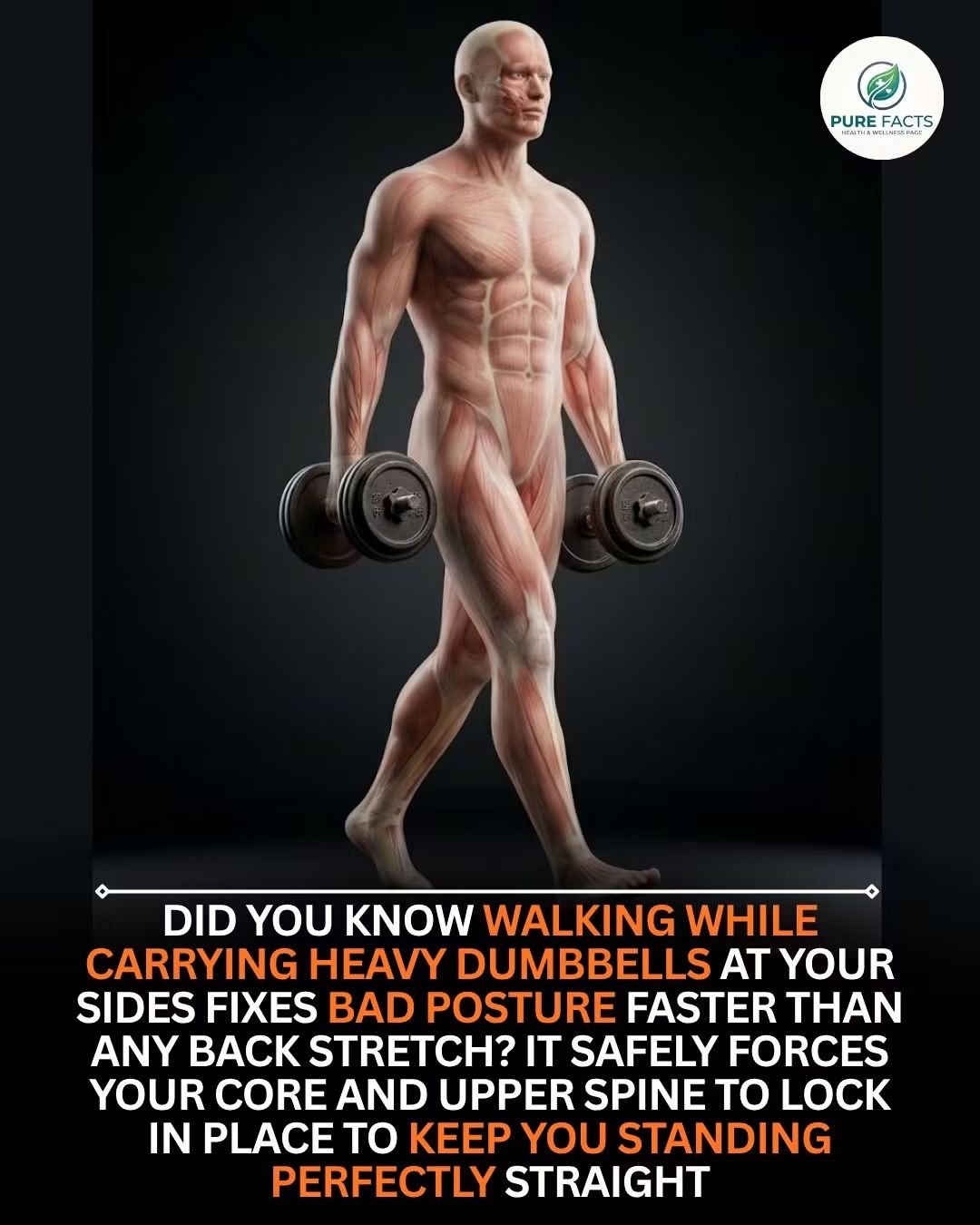
🏋️ Walking while carrying heavy dumbbells at your sides is called a Farmer’s Carry, a loaded exercise that challenges your whole body while you move
💪 Your upper back, shoulders, core, and spinal stabilizers work continuously to control the weights and keep your torso upright
🧱 Your abdominal muscles brace against unwanted leaning, twisting, and excessive movement while you take each step
🧍 Your traps, upper-back muscles, and shoulder stabilizers work to keep the shoulders controlled instead of letting the weights pull them downward and forward
🚶 Regular Farmer’s Carries build the strength and endurance needed to maintain a strong upright position during walking, lifting, and everyday movement
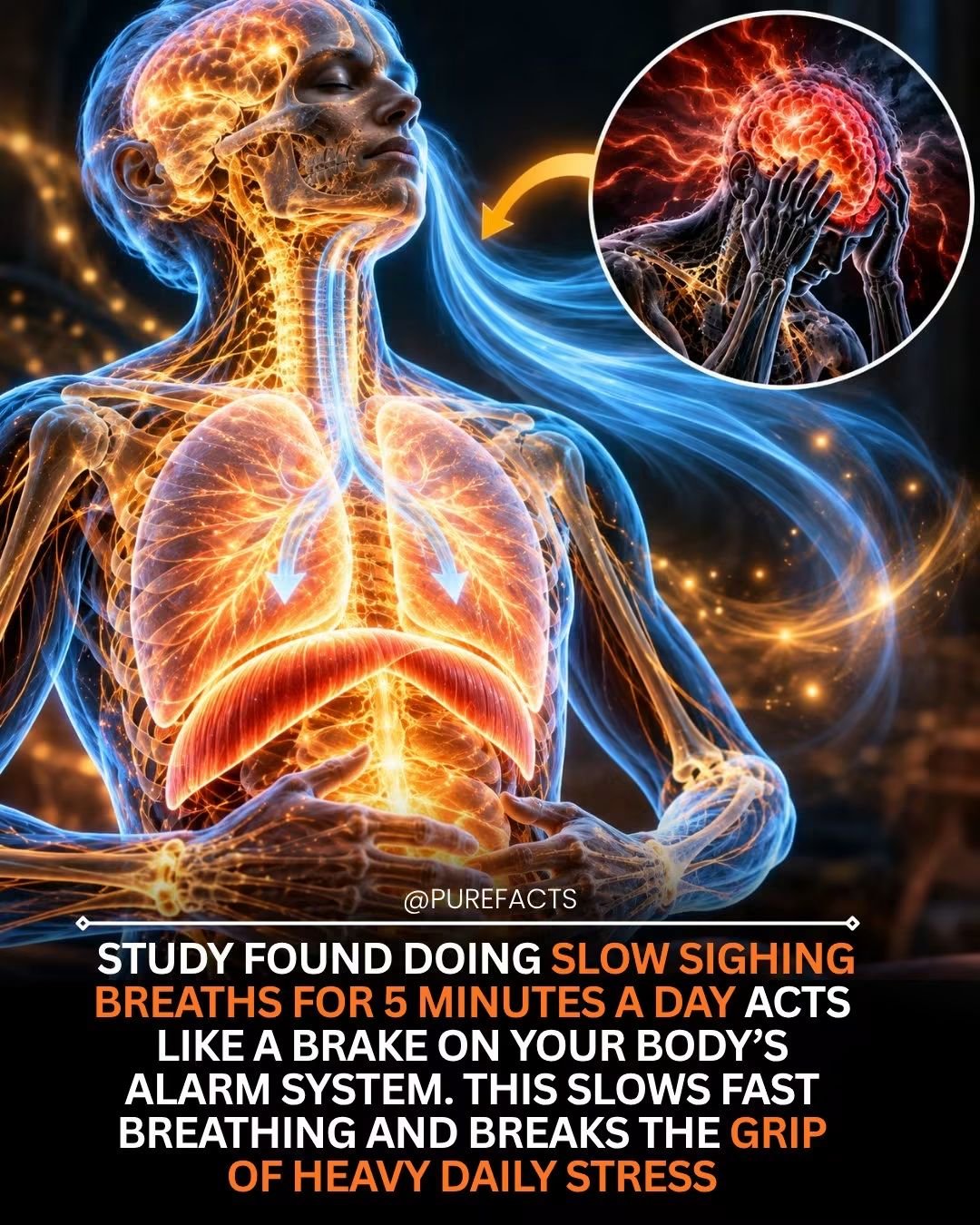
🌬️ Slow sighing breaths use a deep inhale followed by a longer, controlled exhale, helping slow the rhythm of breathing
🫁 A study found that practicing structured breathing for just 5 minutes a day improved mood and reduced breathing rate
😌 Cyclic sighing, which emphasizes long exhales, produced particularly strong improvements in daily positive mood in the study
🧠 Longer, slower exhales can influence the autonomic nervous system, helping shift the body away from a highly activated stress state
❤️ Regular slow breathing can act like a natural brake on physical arousal, helping the body feel calmer during everyday stress
A 2024 study found that 1,000 mg of vitamin C daily for two months was associated with substantial reductions in elevated cortisol levels in women with functional hypercortisolemia linked to chronic stress. Vitamin C is also highly concentrated in the adrenal glands and plays a role in adrenal hormone production, but more research is needed to determine whether supplementation reliably lowers cortisol in the broader population.

😡 Anger activates the body’s fight-or-flight system, preparing the heart and muscles to respond to a perceived threat
❤️ Stress hormones such as adrenaline can make the heart beat faster and temporarily push blood pressure higher
🩸 During intense anger, blood vessels can change how they function, increasing the workload placed on the cardiovascular system
🔥 Repeated angry outbursts keep exposing the body to bursts of physical stress instead of allowing it to remain in a calmer resting state
🧠 Research has linked frequent intense anger with greater cardiovascular strain and a higher risk of heart-related problems over time

One glass of this juice helps support healthy arteries and lower high blood pressure…

Negative emotions can spread through social interactions, a phenomenon known as emotional contagion. Spending time around people who are frequently distressed may affect your mood and stress levels. Chronic stress can also influence immune function, although the effects vary from person to person. Protecting your mental well-being starts with recognizing how your relationships affect you.

Top 10 Foods That Unclog Arteries Naturally and Boost Heart Health
Top 10 Foods That Unclog Arteries Naturally and Boost Heart Health

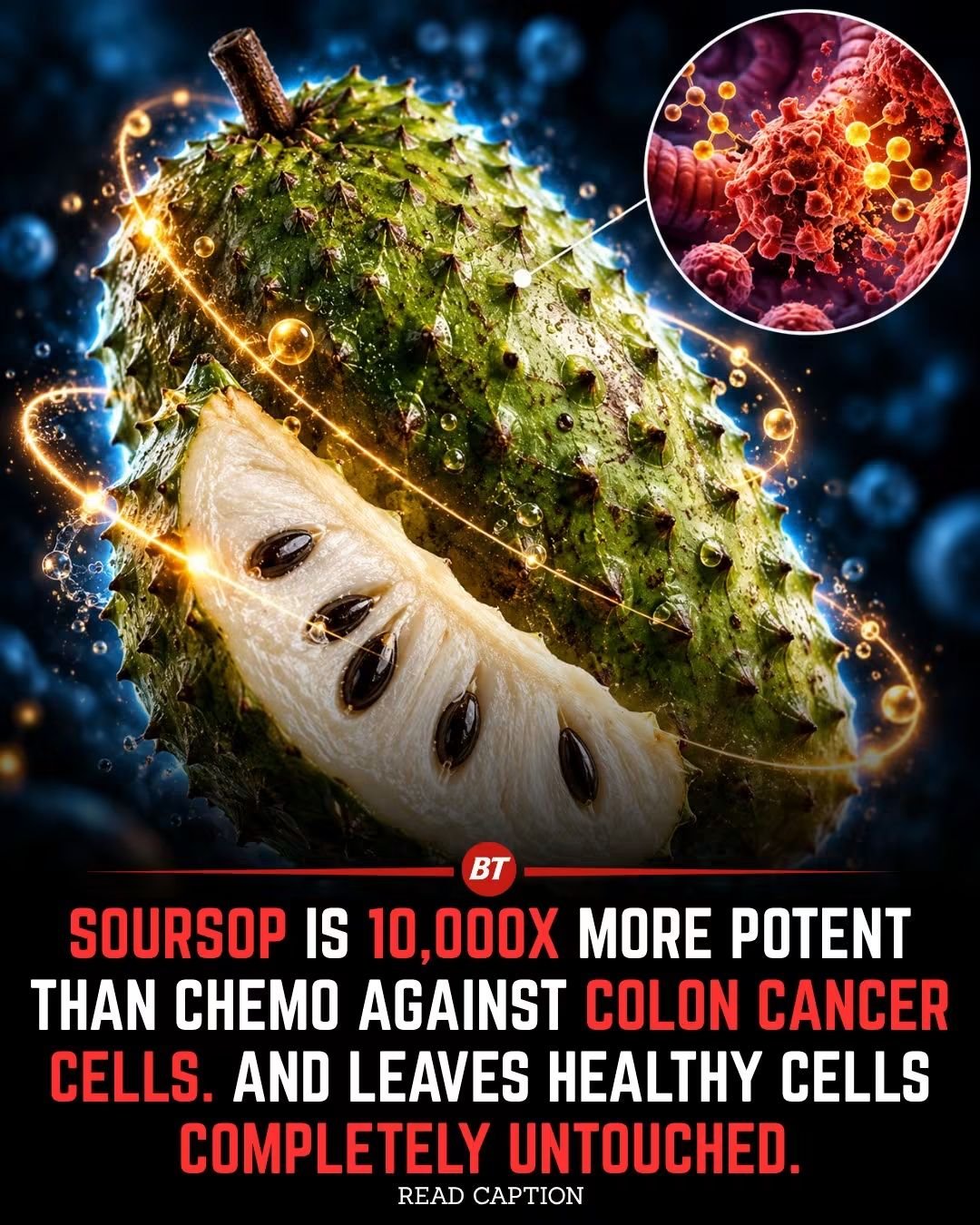
🍈🧬 Did you know? One of the most fascinating cancer findings involving soursop came from a compound hidden inside the plant — and researchers found it could be remarkably potent against colon cancer cells.
Soursop (Annona muricata) contains a family of compounds called annonaceous acetogenins. These molecules can interfere with mitochondrial energy production, essentially disrupting the machinery cancer cells rely on to keep producing ATP and multiplying.
One of the most striking findings came from a study published in the Journal of Medicinal Chemistry. Researchers isolated an acetogenin from soursop seeds that showed 10,000 times the potency of adriamycin against HT-29 human colon adenocarcinoma cells in laboratory testing.
Other laboratory research has found similar effects. A study in PLOS ONE found that annonaceous acetogenins could inhibit tumor-cell growth while showing much less effect on non-cancerous cells at comparable concentrations.
And the mechanism gets even more interesting.
Research on soursop leaf extracts in human colon cancer cell lines has observed mitochondrial disruption, oxidative stress, cell-cycle arrest and activation of caspases — enzymes involved in programmed cell death.
So where does that leave the famous “10,000× stronger than chemotherapy” claim?
The number comes from a specific isolated compound tested against cancer cells in a laboratory, not from eating soursop and receiving 10,000× the cancer-killing power of chemotherapy.
That distinction matters — but the underlying discovery is still fascinating.
Scientists are studying these compounds because they may provide clues for developing more selective cancer treatments.
🍈 A tropical fruit. A powerful family of molecules. And a potential pathway researchers are still trying to understand.
#Soursop #ColonCancerResearch #CancerScience
How Baking Soda Fights Inflammation, Autoimmune Disease, and Other Chronic Conditions
How Baking Soda Fights Inflammation, Autoimmune Disease, and Other Chronic Conditions
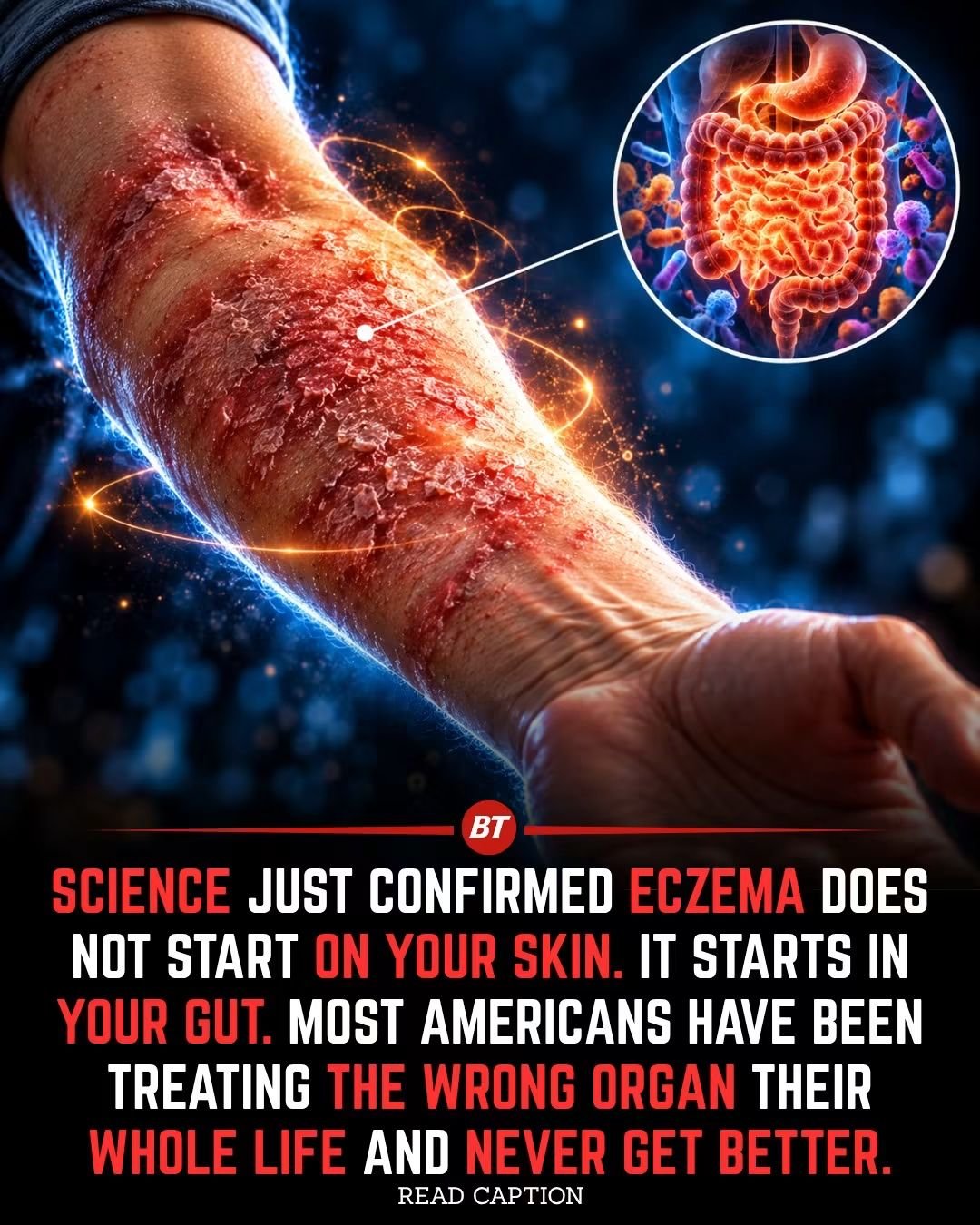
🧴🦠 Did you know? The story of eczema may begin much deeper than the skin.
Your skin and gut are constantly communicating through the immune system. When the intestinal barrier becomes disrupted, bacterial fragments and other molecules can interact with immune cells and potentially promote the inflammatory signals involved in conditions such as atopic dermatitis.
This is part of what scientists call the gut–skin axis.
Research is finding that people with atopic dermatitis can have differences in their gut microbiome compared with people without the condition. A 2024 systematic review in Nutrients found associations between atopic dermatitis and changes in gut microbial diversity and composition, including alterations in beneficial bacteria and microbes linked with inflammation.
And the connection may work both ways. A 2023 review in Frontiers in Microbiology described how gut microbes can influence immune development, intestinal barrier function and systemic inflammation — all pathways that may affect skin health.
One particularly interesting area is short-chain fatty acids, such as butyrate. These compounds are produced when beneficial gut bacteria ferment dietary fiber and can help regulate immune activity and maintain the intestinal barrier.
That doesn’t mean eczema is simply a “gut disease.” The condition involves genetics, the skin barrier, immune responses, environmental triggers and the microbiome. But it does suggest that treating the skin may be only one piece of the bigger picture.
🥬 Supporting the gut with fiber-rich foods, diverse plant foods and fermented foods may help create a healthier environment for beneficial microbes.
The skin you see may be showing you what is happening beneath the surface.
#Eczema #GutSkinAxis #GutHealth
🥥💧 Did you know? The clear water inside a young, unopened coconut is naturally sterile—and under desperate medical conditions, doctors have actually used it as an emergency intravenous fluid.
The idea sounds almost unbelievable, but there is real medical history behind it.
As long as the coconut remains intact, its water is protected inside the fruit. Studies describe fresh coconut water as naturally sterile, containing electrolytes, sugars and amino acids. Its electrolyte composition also has some similarities to body fluids, which helped make it an intriguing emergency substitute when conventional IV fluids weren’t available. (pubmed.ncbi.nlm.nih.gov)
Historical accounts describe coconut water being used intravenously in World War II and other conflicts, particularly in areas where medical supplies were scarce. A review of its medical applications notes that green coconut water was used for intravenous hydration and resuscitation, sometimes in surprisingly large volumes. (pmc.ncbi.nlm.nih.gov)
And this wasn’t just wartime folklore.
A 1954 paper published in AMA Archives of Surgery documented clinical experience with intravenous coconut water, while later medical literature continued reporting its emergency use. In 2000, The American Journal of Emergency Medicine published a case report describing successful short-term IV hydration with coconut water in a patient on the Solomon Islands when standard medical fluids were unavailable. (pubmed.ncbi.nlm.nih.gov)
The reason it could work at all comes down to chemistry. Coconut water contains potassium, sodium, calcium, magnesium, sugars and amino acids, giving it some of the components needed for fluid replacement.
💡 The fascinating part: This wasn’t because coconut water was better than modern IV fluids. It was because, in situations where conventional medical supplies were unavailable, a sealed coconut could provide a naturally protected liquid containing electrolytes and water.
🥥 A fruit growing from a palm tree once became an emergency medical resource when there was nothing else available.
#CoconutWater #MedicalHistory #HealthScience

Japanese researchers at Hokkaido University have developed a special double-network hydrogel that can rapidly transform ordinary cancer cells into cancer stem-like cells within 24 hours. The technique activated stemness-related genes such as SOX2, OCT3/4 and NANOG and worked across six human cancer cell lines, including brain, lung, colon, bladder and uterine cancers. Cancer stem cells are linked to treatment resistance and tumor recurrence, but are normally rare and difficult to study.
The hydrogel provides researchers with a way to produce large numbers of cancer stem-like cells in the laboratory, rather than being intended for use in patients. Tests using patient-derived brain cancer cells also revealed a potential molecular vulnerability that could be targeted with an inhibitor. The findings may help scientists better understand cancer recurrence and develop drugs against treatment-resistant cells, although the technology remains laboratory research and is not currently a cancer treatment.

Alzheimer’s disease was reversed in mice after just two injections of a new nanoparticle drug

More than half of healthy adults with no known heart disease already had artery-clogging plaque building silently inside them, a major new study reveals.
Researchers found that men developed plaque five to 10 years earlier than women, while women saw their steepest increase between ages 40 and 60.
Even adults as young as 18 showed signs of atherosclerosis — the hardening of arteries that can lead to heart attacks and strokes decades later.
Full story here https://www.foxnews.com/health/silent-heart-threat-found-adults-under-30-no-known-cardiovascular-disease

Behind every cancer headline are people hoping for another birthday, another conversation, another ordinary morning. UC Davis researchers reported a promising cell death target in 2023.
Calling it a replacement for chemotherapy goes beyond the evidence. The finding offers a research direction, rather than a proven treatment ready for patients.
There is room for hope without turning possibility into certainty. Science advances through careful work, and compassion means telling that story honestly. The dream is treatment that gives people more life and less suffering. What matters most to you when reading news about medical discoveries and their potential for patients?

It can also cut respiratory infections and power our immune system
https://www.the-independent.com/life-style/health-and-families/vitamin-d-supplement-tablets-deficiency-ageing-b3060468.html


🔥🧖♂️ Did you know? Just 20 minutes in a sauna can dramatically increase sweating and change how your body handles certain compounds—making your skin an important route for thermoregulation and excretion.
When your core temperature rises, your sweat glands become highly active. Sweat carries water and electrolytes, along with small amounts of compounds such as urea, lactate, and certain metals, to the surface of your skin.
At the same time, heat increases blood flow to the skin and creates a controlled cardiovascular challenge that researchers have been studying for decades.
One fascinating area of research is what actually appears in sweat.
A study published in the Journal of Environmental and Public Health examined sweat as a potential route for eliminating toxic elements and found that compounds including arsenic, cadmium, lead, and mercury can be detected in human sweat.
But sauna research goes beyond sweating.
Repeated sauna exposure has been associated with changes in blood pressure, vascular function, cardiovascular health, and overall well-being. Long-term observational research from Finland has even found that people who use saunas more frequently tend to have lower risks of cardiovascular and all-cause mortality.
Your body already has sophisticated detoxification systems—especially the liver and kidneys. Sauna-induced sweating adds another route through which certain compounds can leave the body, while the heat itself produces a powerful physiological response.
💡 Try this: If you tolerate heat well, a moderate 15–20 minute sauna session can be a simple way to experience controlled heat exposure. Rehydrate afterward, particularly if you sweat heavily.
And compared with taking a cabinet full of “detox” supplements, there’s something appealing about simply sitting in the heat and letting your body do what it naturally does.
Sometimes the most powerful “detox” ritual is simply giving your body a reason to sweat. 🔥
#SaunaHealth #SweatDetox #HeatTherapy
A simple morning shot of extra virgin olive oil, lemon juice, and cayenne pepper can be a refreshing way to support your daily liver-health routine. Extra virgin olive oil provides monounsaturated fats and polyphenols, while lemon supplies vitamin C and cayenne contains capsaicin and other plant compounds studied for their metabolic and antioxidant effects. Together, they create a concentrated combination of nutrient-rich ingredients that can complement a balanced diet focused on liver and metabolic health. Three simple ingredients can turn your morning routine into a powerful wellness ritual.
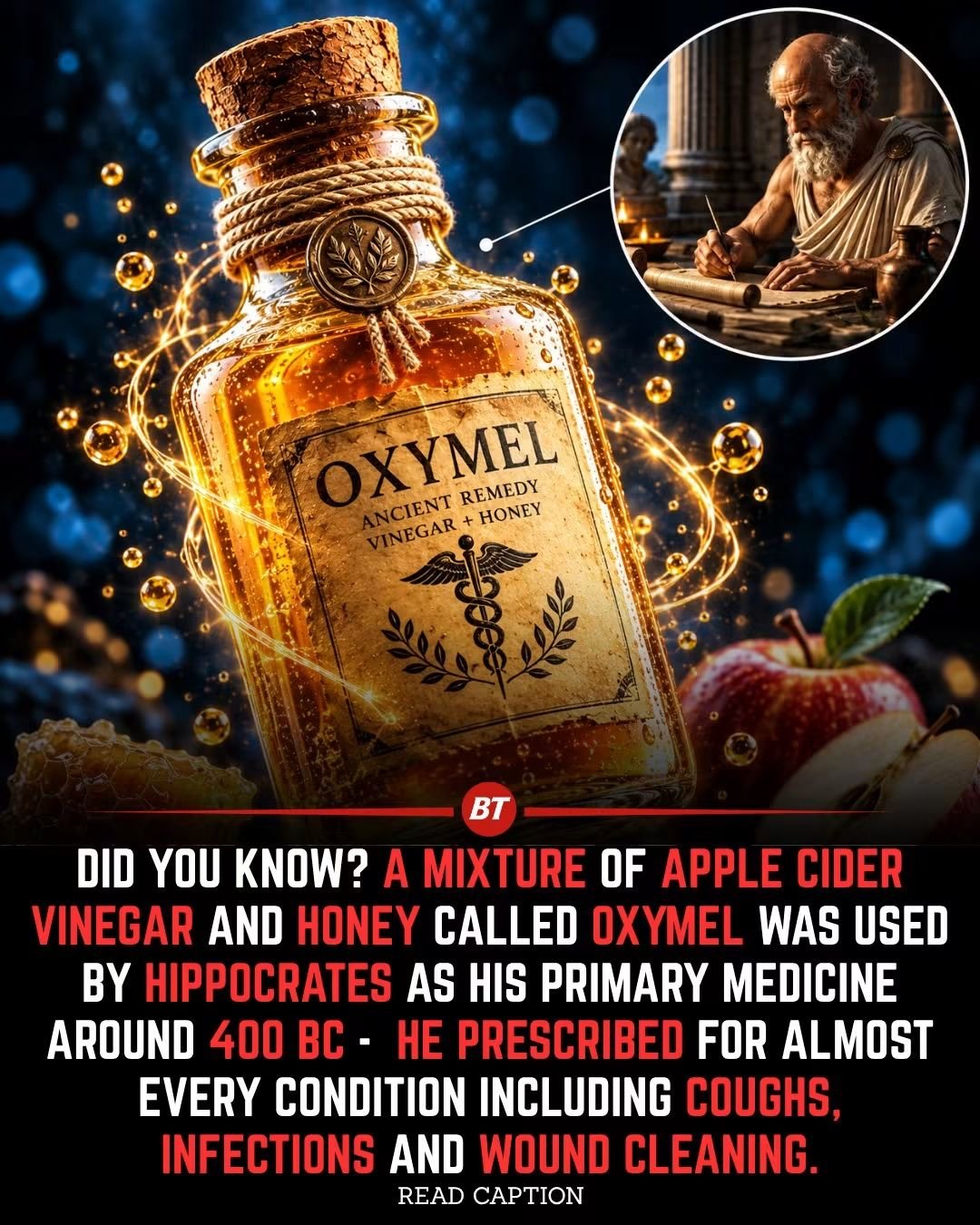
🍯🍎 Did you know? More than 2,000 years ago, physicians were already combining honey and vinegar into a medicinal preparation called oxymel—and Hippocrates was one of the physicians associated with its use.
The name comes from the Greek words for “acid” and “honey.” Simple oxymel was essentially honey mixed with vinegar, sometimes diluted with water, and it became one of the most enduring preparations in ancient medicine.
Hippocrates lived around 460–377 BC, and historical medical reviews describe his use of vinegar preparations for wounds and ulcerations, while oxymel was used for persistent coughs and respiratory complaints. Vinegar’s acidity also gave it properties that made it useful for cleaning wounds.
What makes this ancient remedy especially interesting is that modern science has found real biological activity in both ingredients.
Honey contains compounds that can inhibit microbial growth, while acetic acid—the main active component of vinegar—has antimicrobial properties. A 2023 study in Microbiology examined honey and vinegar combinations and found that certain combinations showed synergistic antibacterial and antibiofilm activity in laboratory testing.
And oxymel itself has continued to attract scientific interest. A 2023 systematic review in Integrative Medicine Reports examined 20 preclinical and clinical studies and found evidence of antioxidant, anti-inflammatory and other biological effects, although researchers emphasized that larger, longer clinical trials are still needed.
💡 The fascinating part: Hippocrates didn’t know about bacteria, acetic acid or antioxidant chemistry. Yet some of the substances used in these ancient preparations are now understood at a molecular level.
From ancient Greek medicine to modern laboratories, sometimes old remedies leave behind clues that science can investigate centuries later.
#Oxymel #AncientMedicine #HoneyAndVinegar
Think about the people you know. Roughly three out of every four of them start the day in a way that works against their own brain. Most of them feel it by 11am and blame the coffee.
It is not laziness and it is not weak willpower. Your brain leaves sleep slowly, and whatever you feed it first sets the stress and focus it carries all day. That window is short.
Here is what is actually happening inside that window, and the seven simple routines that protect it instead of wasting it. Most people get the first two badly wrong.
1: Get daylight on your face early. Morning light is the strongest signal your body clock reads. Ten minutes outside, even under cloud, sets your alertness now and your sleepiness tonight.
2: Delay the phone. Opening messages first hands your attention to other people’s problems before your brain is fully online. Give yourself thirty minutes of your own thoughts before the feed takes them.
3: Drink water before coffee. You lose fluid all night through breathing alone. Mild dehydration shows up as foggy thinking and low mood, and people almost always read it as tiredness instead.
4: Move your body for a few minutes. Walking, stretching or stairs raises blood flow and body temperature. That shift tells your nervous system the day has started, far faster than sitting still does.
5: Wake at the same time daily. A steady wake time is what keeps your body clock stable. Sleeping in on weekends drags that clock later, and Monday morning is where you pay for it.
6: Make one decision the night before. Pick your clothes, your breakfast, or the first task. Every choice you remove in the morning saves mental energy for the work that actually matters later.
7: Do your hardest thinking first. For most people, focus peaks in the first few hours awake. Spending that peak on email is like using your best hour to tidy a desk.
Tonight, put your phone charger in another room. The short walk to fetch it in the morning is what actually breaks the scroll in bed, because willpower at 6am is unreliable.
Follow for more research like this on your health.
For informational and entertainment purposes only.

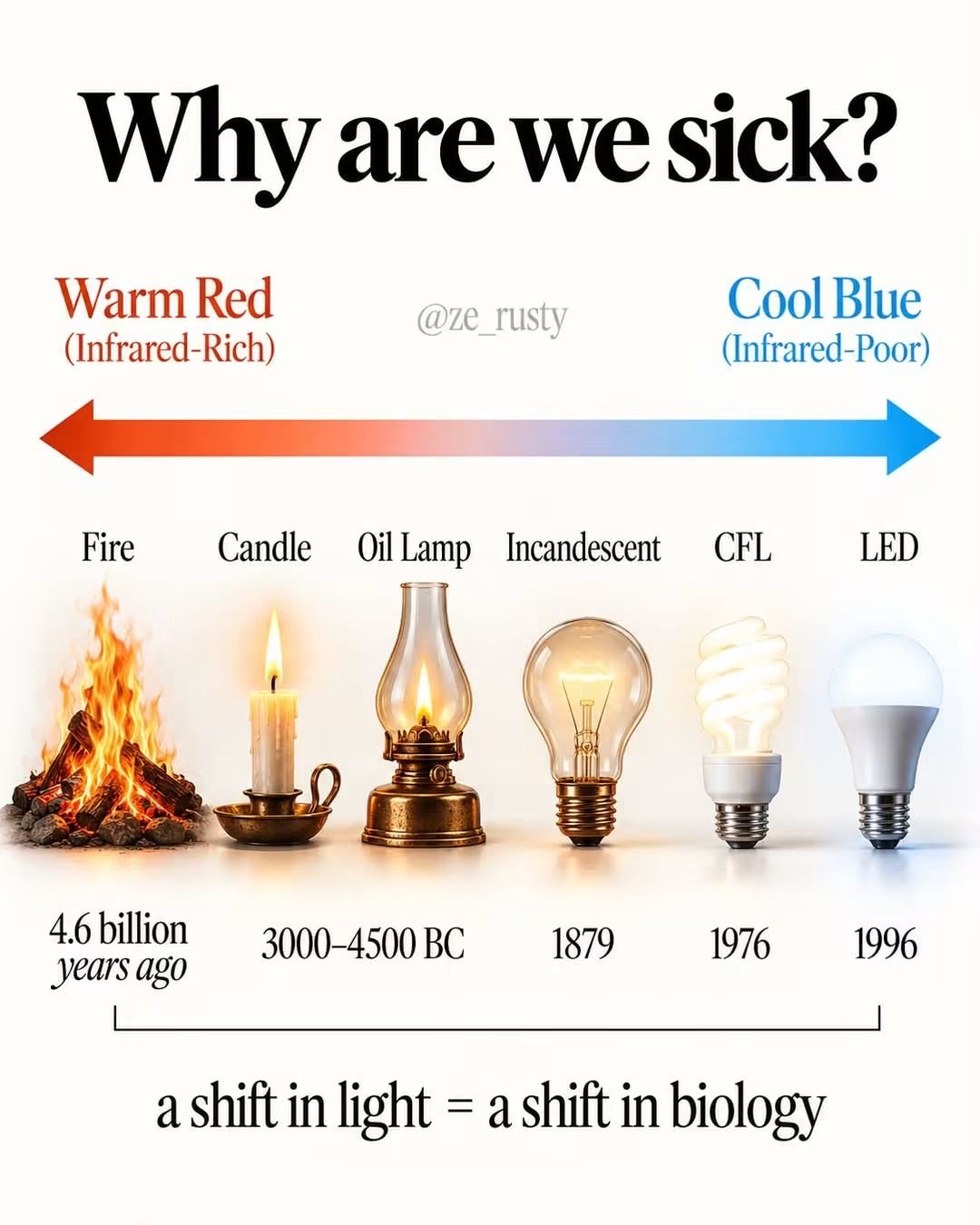
For most of human history, nighttime light came from fire, candles, and oil lamps. Then incandescent bulbs, fluorescent lighting, and LEDs transformed how we illuminate our homes.
But the idea that this shift alone explains “why we are sick” is too simple. Different light sources do produce very different spectra, and modern LEDs can contain more short-wavelength blue light than fire or incandescent bulbs. At night, bright or blue-enriched light can suppress melatonin and disrupt circadian rhythms, especially when exposure is strong or prolonged.
That doesn’t mean LEDs are inherently harmful, or that infrared-rich light automatically protects health. Timing, brightness, duration, and overall sleep habits matter much more than a simple warm-versus-cool comparison.
A practical approach is to use brighter light during the day and warmer, dimmer lighting in the evening while keeping bedrooms dark at night.
#CircadianRhythm #SleepHealth #Lighting #Wellness #ScienceFacts
Most people approach cold exposure the same way. Pick a temperature. Set a timer. Hit the target. Get out. This feels like progress. But the neuroscience shows that temperature and time are not what determine the biological value of cold exposure.
What actually matters is something happening in your nervous system before you get in and during the first moments inside. And most people who cold plunge regularly are completely ignoring it.
When done correctly cold exposure triggers a release of dopamine, epinephrine and norepinephrine. These neurochemicals produce heightened alertness, elevated mood and sustained energy for two to four hours after you get out.
This is a real biological effect from real chemicals. But the size of this release is not determined by the temperature of the water or how long you stay in. It is determined by the size of the resistance you overcame to get there.
Before you get in ask yourself on a scale of 1 to 10 how badly you do not want to get in right now. If the answer is five or above that resistance is a wall. Getting over that wall is the first neurologically valuable event of the session.
Once inside there will be a moment where a wave of adrenaline hits and you want to get out. That is the second wall. These waves are not discomfort to be managed. They are the biological signal that something meaningful is happening. They are what you came for.
The brain area most linked to willpower and longevity grows specifically in response to doing things you resist. Not things that are objectively difficult. Things you specifically do not want to do.
Getting into cold water when your resistance is 9 out of 10 and sitting through two waves of adrenaline is more neurologically valuable than 15 minutes in cold water when you are already warm and willing. The stimulus is the resistance. The temperature is just the delivery mechanism.
If you cold plunge at the same time, same temperature and same duration every day your brain adapts. The resistance drops. The walls get smaller. The neurochemical release gets weaker.
This is why many people report that cold exposure stops feeling as powerful over time. It is not that it stops working. It is that the resistance has gone. When something no longer feels hard it is no longer producing the same biological effect. The value was never in the cold. It was in the resistance to the cold.
Before every session rate your resistance on a scale of 1 to 10. If resistance is below 5 the neurological stimulus will be lower. If resistance is 7 or above getting in even for 15 to 20 seconds is neurologically meaningful.
Once inside count the walls the waves of adrenaline that make you want to get out. Sitting through two walls is the target. You do not need to go numb. You do not need to hit a time. Get in when it is hard and stay through the resistance. That is the entire protocol.
Have you ever noticed that your cold plunge feels completely different on days when you really do not want to do it compared to days when you barely hesitate and does the effect afterward feel different too?

Quitting alcohol allows the body to initiate widespread self-repair processes that reverse many of the toxic effects accumulated through drinking.
The liver, which bears the primary burden of metabolizing alcohol, possesses remarkable regenerative capacity; fatty accumulation known as steatosis often resolves within weeks of abstinence as metabolic pathways resume clearing stored fat and inflammation subsides.
Liver enzymes typically normalize, and early fibrosis may improve substantially, although advanced cirrhosis is less reversible yet still benefits from halted progression.
Blood pressure declines measurably within a month, with studies showing reductions of several millimeters of mercury in both systolic and diastolic readings, easing strain on the cardiovascular system and lowering heart rate.
Insulin resistance can fall by around twenty-five percent after four weeks, supporting better blood sugar control and reducing metabolic risk.
Brain tissue volume begins recovering rapidly, with imaging revealing increases in gray matter within three weeks as fluid-filled spaces shrink, contributing to clearer cognition, improved memory, and steadier mood.
Sleep architecture gradually normalizes after an initial period of disruption, while the immune system regains strength, decreasing susceptibility to infections.
Over longer periods, risks of alcohol-related cancers, stroke, and other chronic conditions decline as the continuous exposure to a known carcinogen and inflammatory agent ends.
These restorative changes accumulate with sustained abstinence, restoring function across multiple organ systems and enhancing overall resilience.
Source: Mehta G, et al. Short-term abstinence from alcohol and changes in cardiovascular risk factors, liver function tests and cancer-related growth factors: a prospective observational study. BMJ Open.
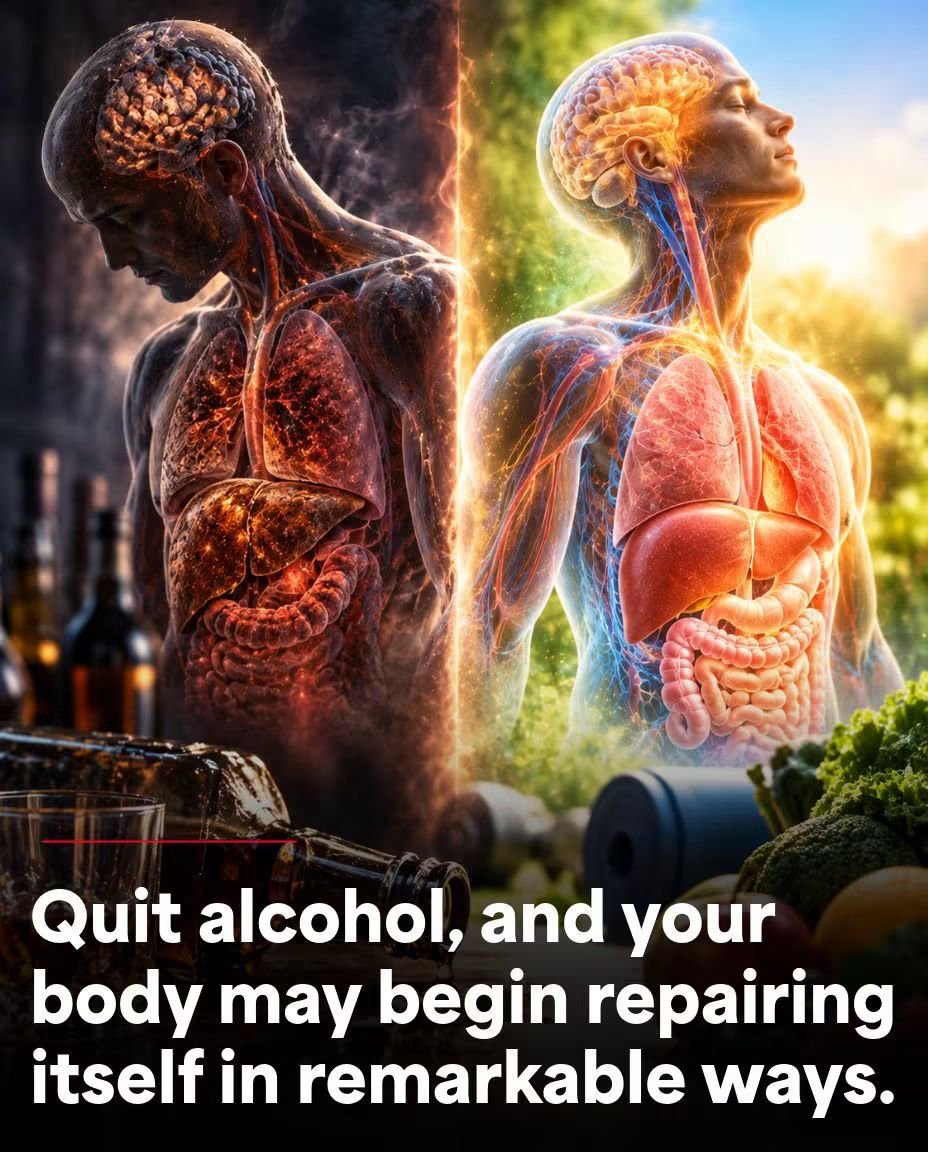
The link is only applicable to some people 😯
https://www.newsweek.com/aspirin-linked-to-lower-dementia-risk-for-some-study-12506387
Most people assume light only disrupts sleep if it keeps them awake. The research shows something very different. Even while fully unconscious your brain detects light through your closed eyelids. Photoreceptors in your retina send signals to the brain’s master clock even during sleep. Your brain does not know you are trying to sleep. It only knows light is present. And it responds accordingly.
A study in the Proceedings of the National Academy of Sciences found that sleeping with an overhead light of just 100 lux produced measurably elevated morning blood glucose levels. 100 lux is extremely dim. The mechanism is direct. Light activates the body’s stress response even during sleep. Heart rate rises. Cortisol increases. Insulin sensitivity drops. Your body is being prepared for daytime activity while you are trying to recover from the day before.
Light at night suppresses melatonin, the hormone that signals darkness to every cell in your body. Melatonin coordinates cellular repair, immune function and the glymphatic system that clears toxic waste from the brain during deep sleep. When melatonin is suppressed by even dim light these processes are delayed or disrupted entirely. A bright full moon produces only 1 to 5 lux. Your brain was designed to sleep in near total darkness. Most bedrooms are far brighter than that.
Research consistently links nighttime light exposure to higher rates of depression, anxiety and mood disorders. When light disrupts the timing of melatonin and cortisol it destabilises the hormonal rhythms that regulate emotional processing and stress reactivity. People who sleep in brighter rooms show measurably worse mood regulation and higher inflammatory markers than those who sleep in darkness. The light does not feel like stress. But the biology responds as if it is.
The threshold for biological disruption during sleep is as low as 3 to 10 lux. A dim nightlight produces 5 to 10 lux. A streetlamp through thin curtains produces 10 to 20 lux. Electronics on standby, digital clocks and charging cables all contribute. Sleep researchers now recommend darkness low enough that you cannot see your hand in front of your face when your eyes adjust.
Blackout curtains or blinds to eliminate external light. Cover or remove all electronics that produce light including standby LEDs and digital clocks. If you need light for safety use red wavelength light only as it does not suppress melatonin. Use an eye mask if structural changes are not possible. Begin dimming all lights 60 to 90 minutes before sleep. Every reduction in light exposure in the final hour before bed accelerates melatonin onset and improves the depth of sleep that follows.
How dark is your bedroom right now and have you ever noticed a difference in how you feel after sleeping in complete darkness compared to a room with even a small amount of light? Drop it in the comments. Someone else needs to read it.
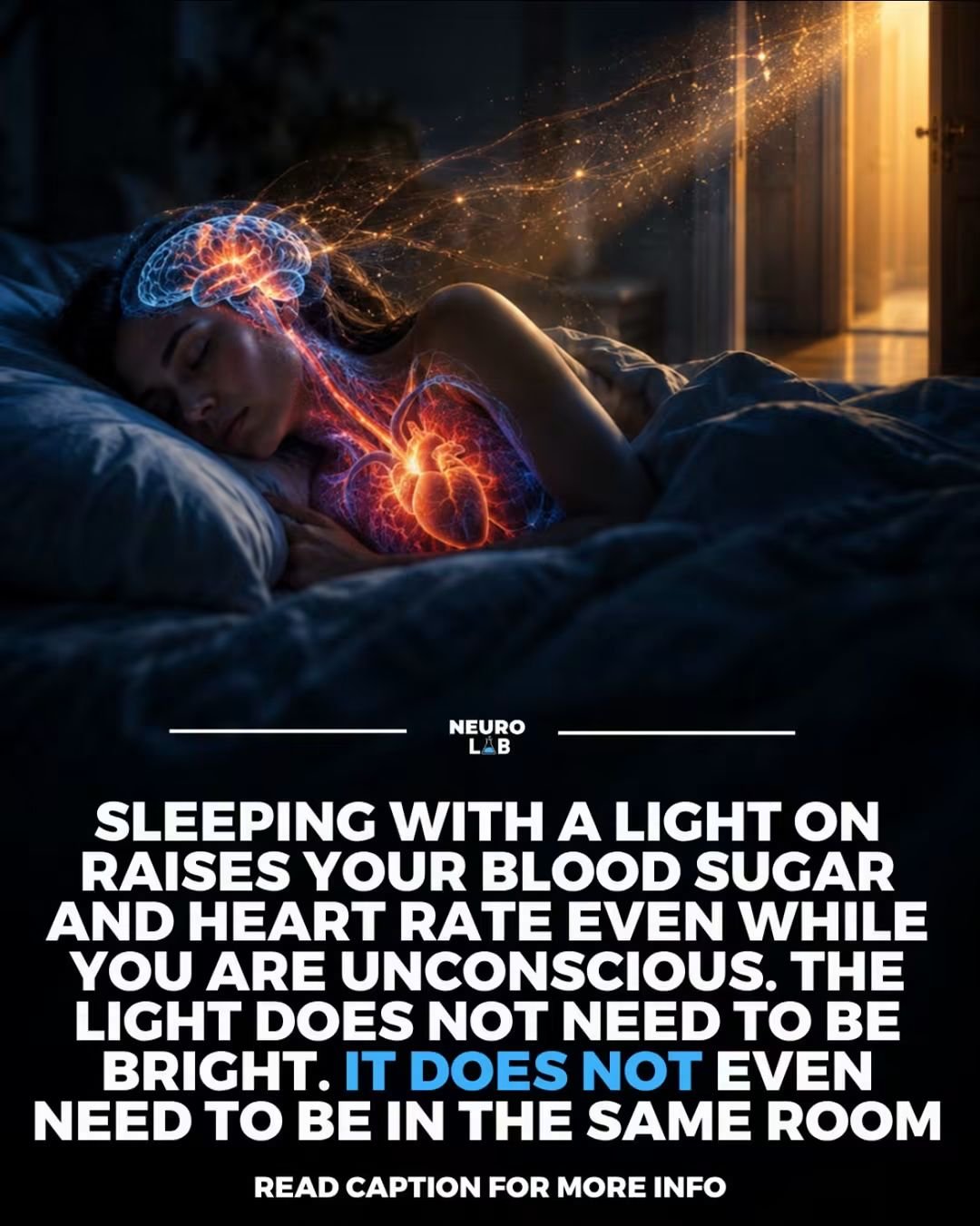
How to Naturally Cleanse the Lymphatic System to Fight Chronic Disease
How to Naturally Cleanse the Lymphatic System to Fight Chronic Disease

How to Use Activated Charcoal for Detox, Mold Sickness + More
How to Use Activated Charcoal for Detox, Mold Sickness + More

Clean Your Body’s Drains! 11 Ways To Flush and Detoxify Your Lymphatic System
Clean Your Body’s Drains! 11 Ways To Flush and Detoxify Your Lymphatic System

44 years. 5,000+ people. Zero proof cannabis permanently wrecks your brain.
That’s the verdict from a study that followed people for over four decades. No permanent IQ loss. And the twist? Users actually showed less cognitive decline than non-users as they got older.
So much for the “weed kills brain cells” lecture we all grew up on. The brain is way tougher than anyone gave it credit for.
Don’t roll a victory joint yet, though. Experts say heavy, high-potency use still carries real risks, like possible DNA and immune system changes, plus higher odds of anxiety and psychosis in sensitive users.
Then there’s CHS. That brutal nausea nobody wants.
Your smarts might be safe. How much and how strong still counts.

HHS is targeting Lyme disease, alpha-gal syndrome, and other tickborne illnesses. CDC and National Institutes of Health (NIH) awarded nearly $3 million to test new approaches that target ticks where they feed and reproduce.
The goal: fewer ticks, fewer bites and fewer tickborne diseases.
https://www.hhs.gov/press-room/hhs-funds-tick-control-research-lyme-disease-alpha-gal-syndrome.html

🦵🩸 Did you know? A simple set of heel raises may be one of the easiest ways to train the muscles that help move blood back up from your legs—especially if you spend much of the day sitting.
Your calves are sometimes called the “second heart” because contracting them compresses the veins in your lower legs and helps push blood upward toward the heart. One-way valves in the veins help keep that blood moving in the right direction.
That’s why prolonged sitting can be a problem. When your calf muscles stay inactive for hours, the calf muscle pump isn’t working as much, allowing blood and fluid to accumulate around the lower legs and ankles.
Heel raises directly train this pump.
When you slowly rise onto your toes and lower your heels under control, your calf muscles repeatedly contract and relax, helping stimulate venous return.
Research supports the importance of this mechanism. Studies of the calf muscle pump have found that greater calf-muscle activity improves venous blood flow, while reduced calf-pump function is associated with venous pooling and lower-leg swelling.
And you don’t necessarily need a complicated workout.
💡 Try this: Stand on the edge of a sturdy step while holding a railing for balance. Rise onto your toes, then take about 3 seconds to slowly lower your heels. Start with 10–15 controlled repetitions and build gradually.
This won’t magically eliminate existing varicose veins, but regularly activating your calf muscles can be a useful part of staying active and supporting healthy circulation.
Especially if you sit for long periods, sometimes one of the best things you can do for your legs is simply keep them moving. 🦵❤️
#HealthyCirculation #LegHealth #HealthyAging

The deep resonance of a massive bell can create an intense physical and emotional experience that seems to move through the entire body. When struck, a large bell produces powerful low-frequency sound waves and vibrations that travel through the surrounding space and can be both heard and physically felt. This immersive sound may encourage relaxation, focused attention, and a temporary release of muscular tension, particularly when experienced in a calm environment. Rhythmic and resonant sounds have also been explored for their potential influence on stress, mood, heart rate, and nervous-system activity, helping explain why bells, singing bowls, gongs, and similar instruments have appeared in contemplative traditions for centuries. The lingering vibrations can create a sense of stillness that draws attention away from everyday distractions and toward bodily sensations and breathing. Whether experienced inside an ancient sanctuary or during a modern sound practice, the combination of resonance, vibration, attention, and relaxation can make the simple ringing of a bell feel remarkably powerful.
This sounds fake, but there really is a 2026 case report behind it, and the details are wild. An elderly woman with advanced Alzheimer’s had spent about five years with severely reduced speech, mostly giving one-word responses and showing very little spontaneous communication.
She was given 5 grams of psilocybin-containing mushrooms under supervision. Around 19 hours later, she woke up and started talking about her own life for hours. Over the next several days, researchers also documented better walking, dressing herself, restored continence, stronger emotional reactions, better memory for recent context, and more social interaction. Some of those gains reportedly lasted for weeks.
But this is where the internet needs to chill a little. This was ONE patient, not a clinical trial, and the researchers explicitly said it does not prove Alzheimer’s was reversed. The first session also came with real risks, including heavy sweating, suspected overheating and a prolonged deep sleep-like state.
The most interesting part might be the authors’ theory: maybe some abilities are not completely gone in advanced dementia, but temporarily inaccessible.
That is a VERY different claim from “mushrooms cure Alzheimer’s,” but still kind of mind-blowing.
Would you want this studied in larger clinical trials?
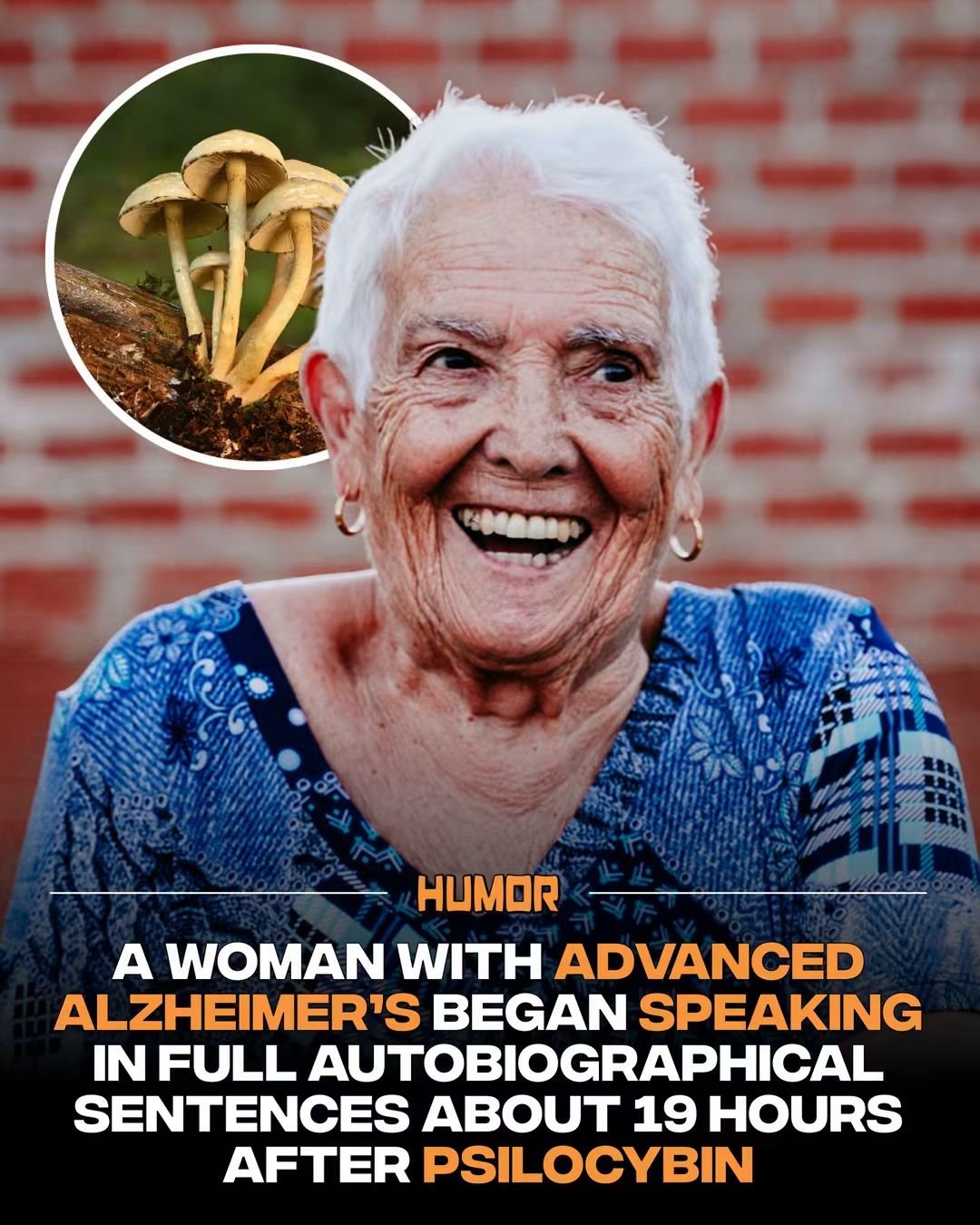
🛁🦶 Did you know? A warm foot soak with magnesium flakes has become a popular nighttime ritual for people dealing with restless legs—and the combination of warmth, relaxation, and magnesium is an interesting area of research.
Warm water can increase blood flow to the feet and create a soothing sensory effect that may help relax tense muscles and calm the nervous system. Research has found that temperature-based therapies can reduce restless-leg symptoms, with a 2024 systematic review and meta-analysis of six studies involving 177 people finding an overall reduction in symptom severity.
Magnesium is interesting for another reason. It plays an important role in muscle and nerve function, and researchers have investigated whether magnesium supplementation may help people with restless legs syndrome.
A 2024 pilot study published in the Journal of Clinical Sleep Medicine found that 200 mg of oral magnesium citrate daily for 8 weeks reduced restless-leg symptoms and discomfort in 12 adults.
But there’s a fascinating distinction with magnesium foot soaks.
The idea is that magnesium from flakes or salts passes through the skin and enters the bloodstream. However, whether meaningful amounts of magnesium can actually cross intact human skin remains uncertain. A recent 2026 laboratory study found minimal magnesium penetration through intact skin, suggesting that the relaxing effects of a foot soak may come more from the warm-water therapy and sensory relaxation than from absorbing large amounts of magnesium through the feet.
🛁 Try this: A warm foot bath for around 10–20 minutes before bed can be a simple relaxation ritual. Keep the water comfortably warm rather than extremely hot.
Sometimes the most valuable part of a nighttime ritual isn’t one magical ingredient.
It’s giving your body 20 quiet minutes to slow down. 🦶🌙
#RestlessLegs #Magnesium #SleepHealth


🍗🦴 Did you know? The parts of chicken many people throw away can actually contain a remarkable amount of collagen—the structural protein your body uses throughout your skin, cartilage, bones, tendons, and connective tissue.
Chicken feet are particularly rich in collagen because they contain large amounts of skin, connective tissue, tendons, and cartilage. When they’re slowly simmered, that collagen gradually breaks down into gelatin and collagen-derived peptides, releasing amino acids such as glycine, proline, and hydroxyproline.
A 2020 study published in Polymers analyzed collagen extracted from chicken feet and found that roughly 70.9% of their total protein was collagen, highlighting why they’re such a concentrated source of this structural protein.
And the potential benefits of collagen aren’t just theoretical. A 2024 meta-analysis in Osteoarthritis and Cartilage combined 35 randomized controlled trials involving 3,165 people and found that collagen derivatives produced small-to-moderate improvements in osteoarthritis pain and physical function.
Research has also looked at skin. A 2023 systematic review and meta-analysis covering 26 randomized trials and 1,721 participants found that oral hydrolyzed collagen was associated with improvements in skin hydration and elasticity.
That doesn’t mean chicken feet are a miracle food—but they are a surprisingly efficient way to turn an often-discarded ingredient into a gelatin-rich broth.
Try simmering cleaned chicken feet slowly with onions, garlic, ginger, and water until the broth becomes rich and gelatinous when cooled.
Sometimes, what looks like kitchen waste is actually one of the most nutrient-dense parts of the meal.
#ChickenFeet #CollagenFoods #BoneBroth

🧠 The neurological plunge
Diving into the water does more than just cool the body, it kicks off a real neurological transformation that physically changes the brain’s structure. Aerobic exercise like swimming pushes neuroplasticity, the brain’s ability to build new neural pathways and repair damaged ones. By raising production of a protein called brain derived neurotrophic factor, swimming acts as fertilizer for neurons. This helps the brain adapt to new challenges and bounce back from daily stress more effectively.
🔬 Boosting cognitive power
The movements involved in swimming require coordination between both hemispheres of the brain, which strengthens the fibers connecting them. This bilateral pattern improves communication across the corpus callosum, sharpening cognitive function and processing speed. Regular swimmers tend to show:
* Better short term and long term memory retention
* Sharper spatial awareness and navigation skills
* Clearer focus during demanding tasks
* Quicker reaction times and steadier motor control
🌊 Calming the inner storm
Immersing the body in water has a specific effect on the autonomic nervous system by stimulating the vagus nerve. That stimulation flips the body from fight or flight into rest and digest. The rhythm of the strokes paired with controlled breathing lowers heart rate and brings blood pressure down. The sensory deprivation of being underwater mutes outside noise and lets the mind drift into something close to meditation.
💤 Restorative rest
The physical effort of moving through water’s resistance wears the body out in a good way, setting the stage for deeper sleep. Swimming uses nearly every major muscle group, so the fatigue makes it easier to drift off at night. After leaving the pool, the drop in core body temperature tells the brain it’s time to rest. That cooling acts as a natural trigger for sleep, and swimmers often log longer stretches of deep, slow wave sleep.
💡 Sustaining brain health
Consistent swimming protects the brain against age related cognitive decline. The jump in blood flow during a swim delivers a steady stream of oxygen and nutrients to neurons. That circulation also helps flush metabolic waste that can build up and cause inflammation. Stick with these habits and you’re more likely to hold onto your memory and mental sharpness in later life.
Facts checked by @powermindset
Sources:
Scientific American
Harvard Health Publishing
Journal of Exercise Rehabilitation
#powermindset #swimming #brainhealth #neuroscience #wellness

Lemon juice contains citrate, which may help prevent calcium-based kidney stones by increasing urinary citrate and reducing the tendency of crystals to clump together. Drinking enough water also dilutes urine and helps lower stone risk. Lemon water can support prevention, but it is not a proven way to dissolve existing kidney stones.

Copper-lined shoes were once believed to help “ground” the body by transferring the Earth’s electrical charge through the feet. However, there’s no good scientific evidence that this practice promotes healing or provides the cardiovascular benefits shown here.
Copper itself is an essential mineral, but wearing copper-lined shoes is not an established way to deliver copper to the body or treat health conditions.
Disclaimer: This post is for informational purposes only and is not a substitute for professional medical advice.

Emotions can influence the people around us through a process called emotional contagion. During social interactions, we may unconsciously mirror others’ expressions, moods, and behaviors. Repeated negative interactions can contribute to emotional distress, making healthy boundaries and supportive relationships important for emotional well-being.

🤗❤️ Did you know? Regular hugging and cuddling aren’t just comforting—they can influence your brain, nervous system, and even your body’s response to stress.
When you hug someone you feel safe with, gentle physical contact activates sensory pathways that communicate with the brain. This can encourage the release of oxytocin, while helping reduce the body’s stress response.
That may be one reason a warm hug can make a difficult day feel a little lighter.
Research has found that affectionate touch is associated with lower stress, reduced anxiety, and greater feelings of social connection. A 2020 study published in PLOS ONE found that receiving more frequent hugs was associated with a smaller negative mood response following interpersonal conflict.
Physical affection may also interact with the immune system. Chronic stress can influence immune function, while positive social connection has been associated with healthier physiological responses. In a 2014 study published in Psychological Science, people who felt more socially connected were less likely to develop symptoms after exposure to a common cold virus.
And there’s an interesting effect on the skin too.
Touch and relaxation can influence blood flow and stress hormones, while better sleep and lower chronic stress can indirectly support healthy skin. It’s less about a hug magically changing your skin and more about the body-wide effects of feeling safe and connected.
🤗 So give someone you care about a real hug today.
It won’t replace treatment for depression or anxiety, but that simple moment of human connection can be surprisingly powerful.
Sometimes, the body doesn’t need another pill or supplement—it needs to feel safe, connected, and cared for. ❤️
#HumanConnection #StressRelief #MentalWellbeing

Processed meat deserves more attention than it usually gets. 🥓🌭
Sausages, salami, bacon, ham, and other processed meats are classified by the International Agency for Research on Cancer (IARC) as Group 1 carcinogens because there is sufficient evidence that consuming processed meat can cause colorectal cancer.
But there’s an important detail people often misunderstand: being in the same Group 1 category as tobacco does NOT mean processed meat and cigarettes carry the same level of cancer risk. The category describes the strength of evidence that something can cause cancer—not how dangerous it is compared with another substance.
The takeaway isn’t that you can never eat processed meat. It’s about frequency and overall dietary pattern. Try to make minimally processed foods—meat, fish, eggs, legumes, vegetables, fruits, and whole grains—the foundation of your diet, while keeping processed meats more occasional.
Small choices, repeated consistently, can make a meaningful difference. 🥦🥩
#ProcessedMeat #HealthyEating #NutritionFacts

Did you know? In the modern culinary world, nothing is more celebrated than taking a raw piece of meat, throwing it directly onto a blazing hot grill, and enjoying the dark, crispy char marks. However, modern oncology and food chemistry reveal a horrifying reality about this modern habit. When raw muscle meat is exposed to intense, direct thermal heat, the creatine and amino acids in the meat violently react to create Heterocyclic Amines (HCAs)—highly toxic, carcinogenic compounds clinically linked to colon and stomach cancer.
Ancient Mediterranean and indigenous cultures rarely cooked raw meat directly over an open fire without a crucial preparation step. They always heavily marinated their meats in acidic liquids (like wine or vinegar) and dense, aromatic herbs (like rosemary or thyme). This was not just for flavor; it was a highly sophisticated biochemical defense mechanism.
Rosemary contains a massive concentration of a powerful antioxidant called carnosic acid. When you soak meat in a mixture of rosemary and acidic vinegar, these compounds physically bind to the surface of the flesh. As the meat hits the grill, this marinade acts as an invisible, biological thermal shield. Clinical studies prove that this exact herbal combination prevents the chemical formation of HCAs by an astonishing 90 percent. Are you eating toxic, unprotected charred meat, or are you utilizing botanical thermal shields?
#DidYouKnow #FoodPreparation #Biohacking #GrillingSeason #HolisticNutrition

What if a robot did not just look like it had skin, but actually carried living human skin? Researchers at the University of Tokyo have demonstrated a robotic finger covered with tissue engineered from human cells. The three-jointed finger was wrapped in a skin equivalent made from a dermis-like layer and an outer epidermis, allowing the biological covering to move with the robot’s joints.
https://www.birdsadvice.com/robotic-finger-living-human-skin-self-healing
The researchers then tested something ordinary robot coverings cannot easily do: biological repair. They created a wound in the cultured dermis and placed a collagen sheet over it. Over roughly seven days, cells from the surrounding tissue migrated into the collagen patch and integrated with it. The researchers confirmed the repair using laboratory tests, demonstrating that the cultured skin could recover after damage rather than simply being discarded and replaced.
There are still major limitations. The tissue does not have the complete circulation, nerves and sensory capabilities of real human skin, and it must be maintained under conditions that keep the cells alive. Researchers hope future versions could incorporate sensing functions and more sophisticated biological structures. The experiment raises a fascinating question about the future of robotics: if machines can eventually grow their own skin, how human should a robot actually become?

Advance Your IV Therapy Skills with a Complete 58-Hour Training Program!
Enroll in the IV Therapy Program with Nutrient-Rich Drip Formulas at Neo Aesthetics & Medical International Academy.
This program is designed for Medical Assistants, LPNs, RNs, APRNs and NPs who want to strengthen their knowledge of IV therapy, nutrient-rich drip formulas, and practical clinical techniques.
📞 754-888-4360 — Vera (English)
📞 305-972-1130 — Anastasia (Spanish/Russian)
📅 Next Hands-On Class:
Saturday, October 10, 2026
🔥 SPECIAL PROGRAM PRICE:
Only $650 for BOTH courses
💻 50 Hours Online
+
💉 8 Hours Hands-On
🎓 58 Total Hours
⚠️ Limited availability — reserve your spot early!
Send us a message or call us for enrollment information.
📍 Location:
Neo Aesthetics & Medical International Academy
1920 E Hallandale Beach Blvd, Office 503, 5th Floor
Hallandale Beach, FL 33009
The complete program includes TWO COURSES:
✅ 50 Hours Online — Self-Paced
IV Therapy Fundamentals with Nutrient-Rich Drip Formulas
Tracking # 20-1337271
The online course covers:
✅ Venous anatomy and physiology
✅ Fluid and electrolyte balance
✅ IV therapy fundamentals
✅ Infection control and aseptic technique
✅ IV equipment and catheter selection
✅ Infusion setup and flow-rate calculations
✅ Patient monitoring and documentation
✅ Recognition of IV complications
✅ Florida IV therapy regulations and scope of practice
✅ Nutrient-rich IV formulas
PLUS:
✅ 8 Hours Live Hands-On Training
Advanced IV Therapy Hands-On Training with Nutrient-Rich Drip Formulas
Tracking # 20-1403720
Hands-on training includes:
✅ Venipuncture techniques
✅ Peripheral IV catheter insertion
✅ IV setup and tubing preparation
✅ Flushing and catheter stabilization
✅ Site care
✅ Infection-control procedures
✅ Patient monitoring
✅ Recognition of common IV complications
✅ Practice using IV simulation arms
✅ Supervised practice with consenting adult models
✅ Direct instructor supervision
✅ Certificate of completion
You will also learn about nutrient-rich IV formulas including:
💧 Vitamin C
💧 B12
💧 B Complex
💧 Magnesium
💧 Zinc
💧 Glutathione
💧 Taurine
💧 Amino Acids
💧 And more
🎓 Florida Board of Nursing Approved Continuing Education for eligible licensed nurses
🔥 IMPORTANT 🔥
The $650 program price includes both courses: the 50-hour online IV Therapy Fundamentals course and the 8-hour live Advanced IV Therapy Hands-On Training course.
Clinical procedures must always be performed within each participant’s applicable legal scope of practice and employer requirements. Florida Board of Nursing CE approval applies to eligible licensed nurses.
⭐ Our Google Page ⭐
https://maps.app.goo.gl/T4huzgXdv3oqFn8U8?g_st=com.google.maps.preview.copy
⭐ Our Website ⭐
⭐ Instagram 1 ⭐
https://instagram.com/neobeautyschool
⭐ Instagram 2 ⭐
https://www.instagram.com/neo_aesthetics_medical_academy/

Celery contains bioactive compounds such as 3-n-butylphthalide that have been studied for their potential blood-pressure effects. Research suggests celery preparations may promote blood-vessel relaxation and modestly lower blood pressure, but human studies have mainly tested celery seed extracts not four ordinary stalks of celery.

🍌💚 Did you know? Choosing a green banana instead of a fully ripe one can change how your body handles its carbohydrates—and the difference comes down to resistant starch.
As a banana ripens, some of its starch is gradually converted into simpler sugars, making the fruit sweeter and softer. Green bananas contain much more resistant starch, which passes through the small intestine without being fully digested like ordinary starch.
That means less of that starch is rapidly converted into glucose.
Instead, resistant starch travels into the large intestine, where gut bacteria can ferment it and produce beneficial short-chain fatty acids. In other words, part of the banana’s carbohydrate becomes fuel for your gut microbes rather than an immediate source of blood glucose.
Research has found a measurable difference. A study in people with type 2 diabetes found that under-ripe bananas produced a substantially lower glycemic response than over-ripe bananas, with glycemic index values of 43 versus 74.
More recent research is finding similar effects. A 2024 study in healthy women found that a green-banana preparation reduced plasma glucose by about 15% compared with the control condition, while a 2023 meta-analysis of 31 randomized trials found that resistant starch can reduce acute and longer-term post-meal glucose responses.
And there’s another fascinating benefit: a 2024 human study found that green banana powder increased several potentially beneficial gut bacteria, including Faecalibacterium and Bifidobacterium.
So that slightly firm, less-sweet banana isn’t simply an underripe version of the fruit.
It’s a different nutritional experience—one that gives your gut bacteria something to work with while producing a gentler glucose response. 🍌💚
#BloodSugar #GutHealth #HealthyEating

How you prepare food can change the amount of certain nutrients and plant compounds your body can access. Black pepper’s piperine can increase curcumin absorption, while cooking tomatoes especially with some dietary fat can improve lycopene bioavailability. Crushing garlic activates the enzyme that forms allicin, although heating can reduce its formation.

One simple sweet potato could help support the protective barrier lining your intestines. Eating one sweet potato with its skin about three times a week provides fiber, beta-carotene, antioxidants, and other plant compounds that can nourish the gut environment and support the intestinal lining. These nutrients may help maintain the mucus and cellular barrier that protects the digestive tract, especially when chronic stress places extra strain on the gut. A humble sweet potato may be doing more for your gut barrier than most people realize.
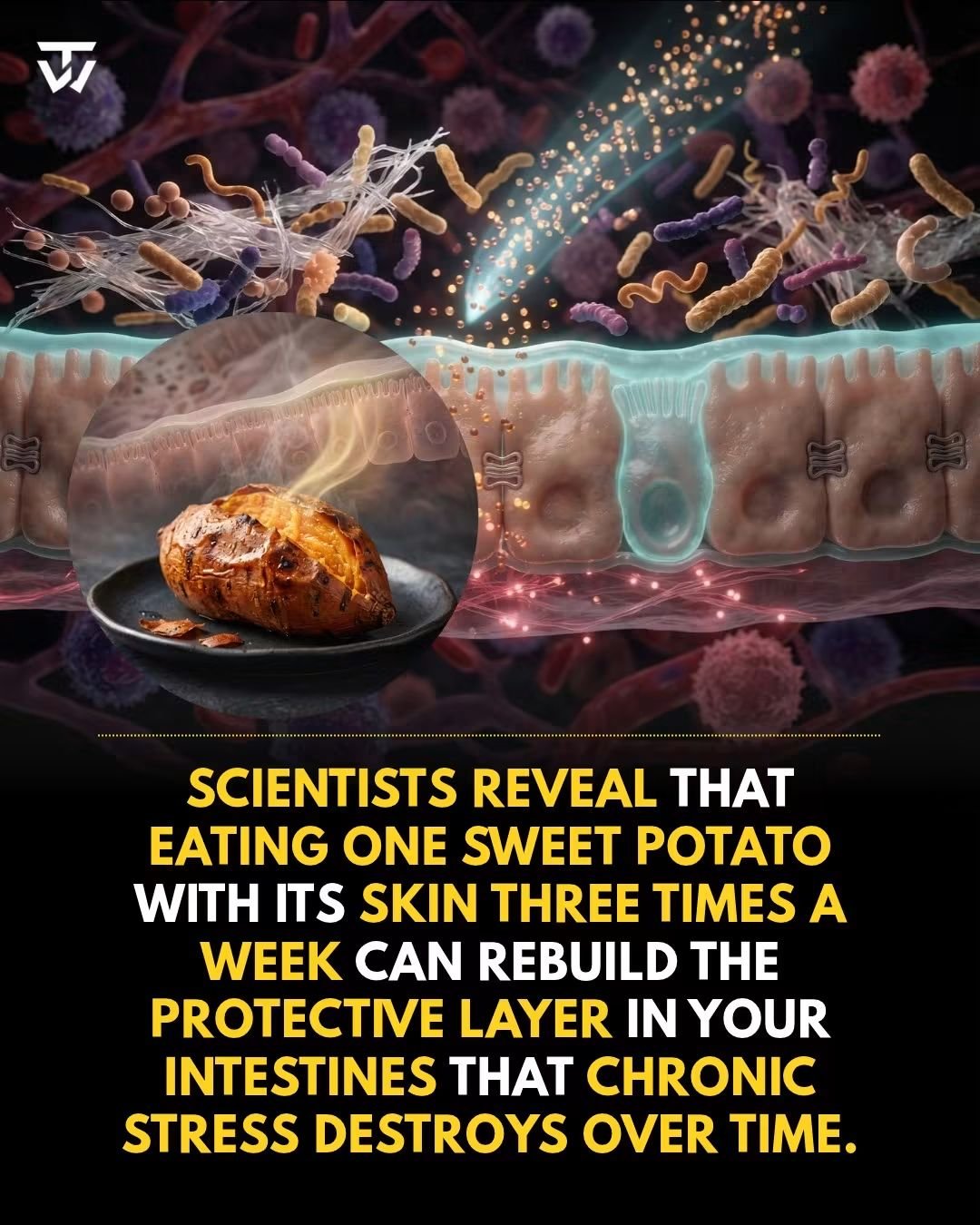
Raw isn’t always best 🥕 Beta-carotene, the pigment your body converts into vitamin A, is locked inside tough plant cell walls in carrots. Cooking softens those walls and releases it.
A human study tracking beta-carotene through the digestive system found about 65% was absorbed from cooked, pureed carrots versus about 41% from raw, chopped ones. Beta-carotene is fat-soluble, so cooking carrots with a little olive oil or butter helps even more. Steaming or boiling works well, and raw carrots still bring fiber and vitamin C to the table 🥕🫒
📌Sources: European Journal of Nutrition (ileostomy carrot bioavailability study, Hedrén et al., 2002), The Week fact check
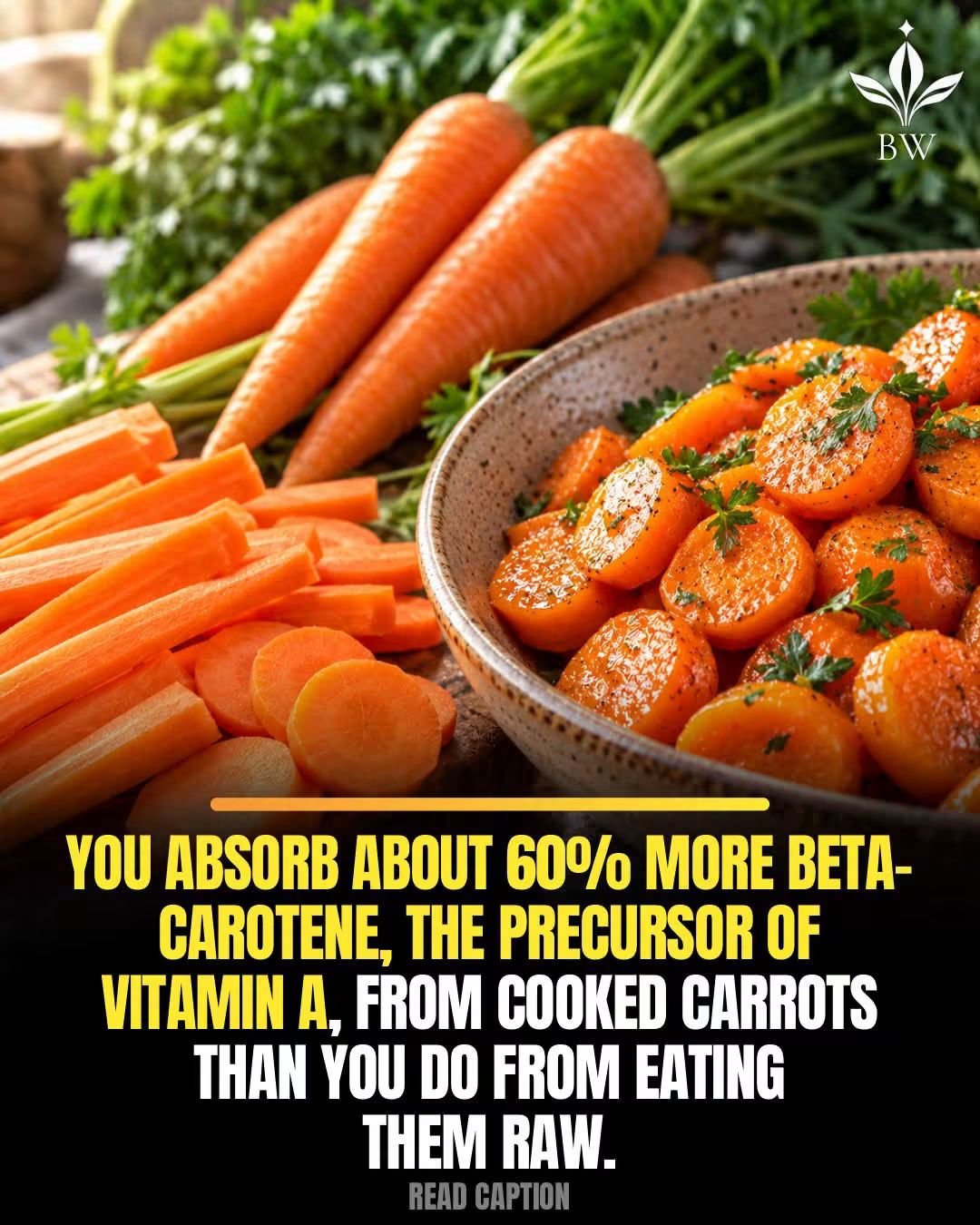
Sardines are an unusually nutrient dense food, providing EPA and DHA omega 3s, protein, vitamin D, and substantial calcium when their soft bones are eaten. They also contain CoQ10, a compound involved in cellular energy production.
Nutrient levels can vary depending on the species and preparation, but research confirms that sardines are rich sources of DHA and other important nutrients. Eating fatty fish such as sardines twice a week also aligns with American Heart Association guidance.

🧠🩸 Did you know? Loneliness doesn’t just affect how you feel—it can also influence how your immune system behaves.
When the brain experiences prolonged social disconnection, the body can interpret that state as a form of social threat. This activates stress-related pathways that communicate with immune cells, changing which genes they switch on and off.
One of the most fascinating patterns scientists have discovered is called the Conserved Transcriptional Response to Adversity (CTRA).
Under chronic stress and social isolation, immune cells can shift toward greater expression of pro-inflammatory genes while reducing activity of genes involved in antiviral defenses.
It’s almost as if the body is preparing for an environment where physical injury and bacterial infection might be more likely.
A 2015 study published in PNAS found that perceived social isolation was associated with changes in circulating immune cells, including increased activity of inflammatory gene programs and expansion of certain monocytes. Researchers suggested this may represent an evolutionarily conserved response to perceived threat.
A 2021 study in Health Psychology also found that loneliness was associated with this inflammatory gene-expression pattern in Korean adults.
And the fascinating part is that the opposite appears possible, too. Research has found that positive social relationships, purpose, and social connection are associated with healthier immune gene-expression profiles.
This doesn’t mean loneliness automatically makes someone sick.
It means your social world and your biology are more connected than we once realized.
A conversation. A shared meal. A phone call. Time with someone you trust.
Connection isn’t just good for the mind—it may be part of how the body feels safe, too. ❤️
#Loneliness #ImmuneHealth #MentalWellbeing
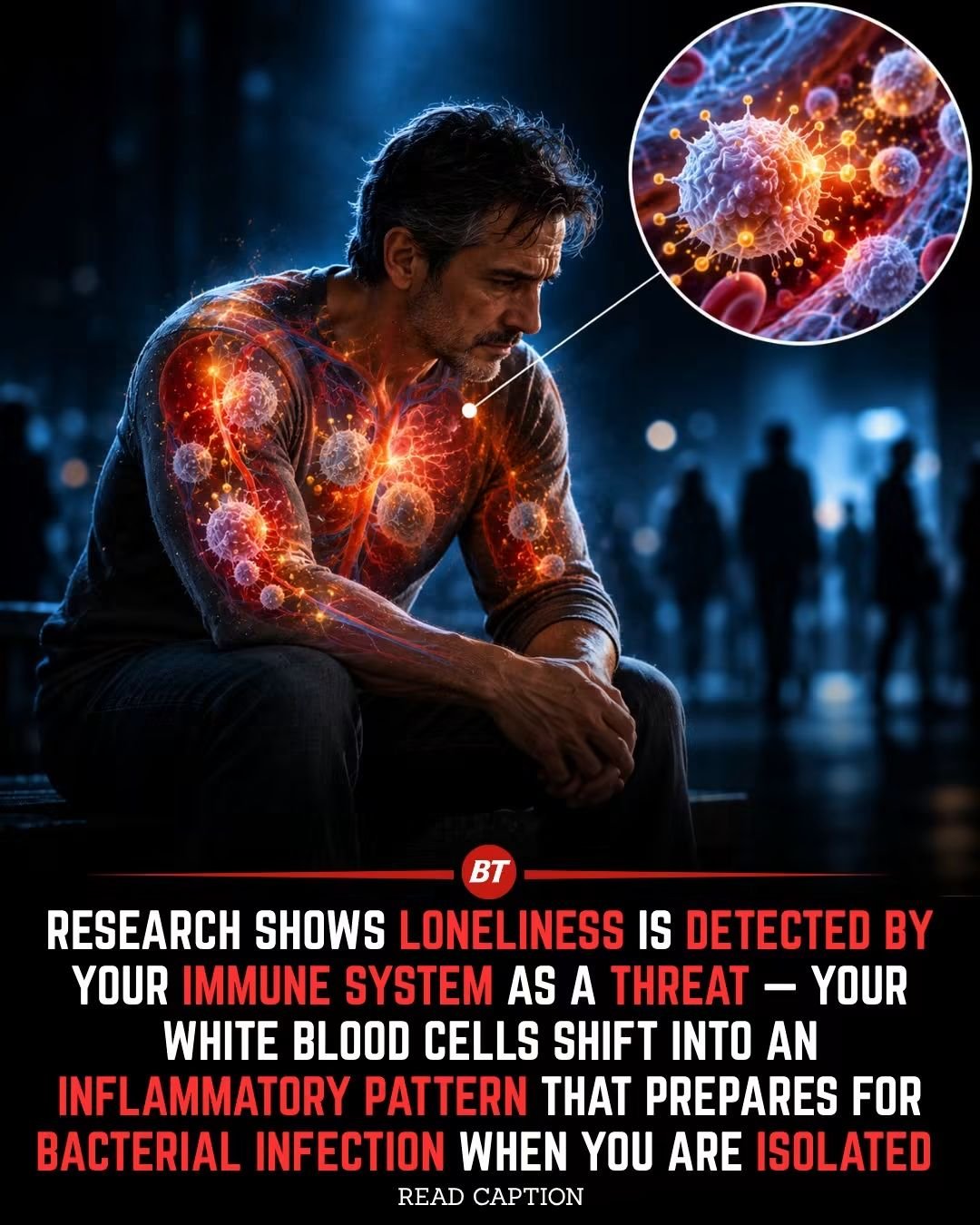
Leg strength is more than just a fitness measure. Research has found that lower muscle strength is associated with a higher risk of mortality and poorer health outcomes, especially as we age.
But there’s an important catch: leg strength is not a single “biggest predictor” of premature death, and it doesn’t replace checking blood pressure, cholesterol, blood sugar or other established risk factors.
The practical takeaway is simple: keep your legs strong. Resistance training, walking, stair climbing and other weight-bearing activities can help maintain muscle strength, mobility and independence as you age.
Disclaimer: Leg strength is only one part of overall health and longevity. It should not be used to predict an individual’s lifespan or replace medical evaluation.

Recent scientific findings are completely shifting our understanding of dessert by revealing that ice cream may be a healthy food choice that may actively protect against heart disease.
This breakthrough specifically applies to real ice cream made with genuine dairy, full fat, and simple ingredients, including: raw honey, cacao, real cream, vanilla, rather than highly processed diet alternatives or low-calorie substitutes. The unique matrix of natural milk fats, bioavailable calcium, and specific dairy fatty acids found in authentic ice cream works synergistically to strengthen cardiovascular function and improve overall metabolic markers.
Reaching for a traditional, uncompromising scoop of the real thing may deliver these powertul heart-protecting benefits directly to your body. You can confidently enjoy your favorite flavor knowing it is a scientifically supported step toward better heart health.

A new global analysis estimates that infections were responsible for about 2.3 million new cancer cases in 2024 — roughly 12% of all cancers diagnosed worldwide.
Remarkably, five pathogens accounted for nearly all of these infection-related cancers: Helicobacter pylori, human papillomavirus (HPV), hepatitis B virus (HBV), Epstein-Barr virus (EBV) and hepatitis C virus (HCV).
H. pylori alone was linked to around 760,000 cancer cases, mostly stomach cancer. The bacterium is extremely common — roughly half of the world’s population carries it — although most infected people never develop cancer.
HPV was linked to another 750,000 cases. Persistent infection with high-risk HPV types can cause cervical cancer as well as cancers of the throat, anus, penis, vulva and vagina. Vaccination can prevent infections responsible for many of these cancers.
Chronic hepatitis B and C infections can damage the liver over decades and increase the risk of liver cancer. EBV, which infects most humans at some point in their lives, is associated with several cancers including nasopharyngeal carcinoma and certain lymphomas.
The important part is that infection-related cancer is not inevitable. HPV and hepatitis B vaccines, hepatitis C treatment, H. pylori detection and treatment, screening and other public-health measures can prevent a significant number of cases.
About three-quarters of infection-related cancers occurred in low- and middle-income countries, showing how access to vaccination, testing and treatment can directly influence the global cancer burden.
Source: The Lancet Oncology; International Agency for Research on Cancer (IARC)

🥬⛵ Did you know? Long before scientists understood vitamin C, fermented cabbage became one of the foods associated with keeping sailors healthier during long sea voyages.
Fresh fruits and vegetables were difficult to preserve at sea, which meant sailors could spend months with very little fresh produce. Over time, this created a serious problem: scurvy, a severe vitamin C deficiency that could cause swollen and bleeding gums, poor wound healing, weakness, tooth loss, and eventually death.
That’s where sauerkraut became especially interesting.
Fermented cabbage can retain meaningful amounts of vitamin C, and because fermentation helps preserve cabbage for long periods, it offered sailors a way to keep a vegetable food available long after fresh produce had disappeared.
🧪 Research Spotlight: During Captain James Cook’s second voyage from 1772–1775, sauerkraut was included in the crew’s provisions. Historical accounts describe remarkably little illness from scurvy during that voyage, although the improvement cannot be attributed to sauerkraut alone—Cook also used other dietary and hygiene measures.
The broader story eventually became much clearer.
In 1747, British naval surgeon James Lind conducted one of the earliest controlled clinical trials, giving sailors with scurvy different treatments. The sailors receiving oranges and lemons were the only group to recover completely.
Decades later, the connection between scurvy and vitamin C deficiency became firmly established. Vitamin C is essential for collagen production, which helps explain why deficiency can cause fragile blood vessels, bleeding gums, poor wound healing, and other symptoms.
🥬 The fascinating part is that sailors didn’t need to understand the chemistry to discover that certain foods could keep them alive.
They were essentially conducting nutritional experiments at sea—long before anyone knew what vitamin C was.
💡 Try this: Add fermented cabbage to sandwiches, eggs, grain bowls, or meals as a simple way to include fermented vegetables in your diet.
⛵ Sometimes traditional food preservation wasn’t just about keeping food edible—it may have helped keep people alive.
Could you imagine spending months at sea without fresh fruit or vegetables? 👀
#Sauerkraut #VitaminC #NutritionHistory

The findings could mean a large proportion of the ‘global cancer burden is preventable through better infection control’.
https://www.newsweek.com/one-in-eight-worldwide-cancers-linked-to-infections-study-12482481
Those crunchy almonds might be holding back more than they give 🌰 Raw nuts contain phytic acid, a compound that binds to minerals like iron, zinc, calcium, and magnesium in your digestive tract, making them harder for your body to absorb from that same meal.
Soaking triggers the nut to shift into “germination mode” — activating phytase, the enzyme that breaks phytic acid down, while also deactivating enzyme inhibitors that make raw nuts harder to digest. Research shows a 12-hour soak can cut almond phytic acid by 38-45%. Worth knowing: this mostly matters if nuts make up a big part of your diet — for the occasional handful, it’s a nice-to-have, not a must-do 💧🌰
📌Sources: Tufts Nutrition Letter, research on phytic acid reduction via soaking (nut-specific studies)

🥩🖨️ Did you know? 3D-printed meat has officially reached American grocery-store shelves, marking a fascinating new chapter in how food can be designed, manufactured, and eventually produced.
Instead of relying entirely on traditional food-processing methods, these products are created using sophisticated 3D-printing technology that deposits food ingredients layer by layer according to a digital design. The goal is to recreate the structure that makes a traditional cut of meat look, feel, and cook like meat—including its fibers, thickness, and marbling.
What’s particularly fascinating is how precise this process can become.
Rather than simply mixing ingredients into a uniform paste, manufacturers can control where different proteins, fats, and other ingredients are placed, allowing them to engineer the texture and structure of an entire “cut.”
And now that technology is moving beyond the laboratory.
In September 2026, Steakholder Foods launched its Perfecta line into U.S. retail stores, bringing 3D-printed plant-based steak, chicken, and seafood products to American consumers. The company says its technology is designed to reproduce the texture and structure of conventional whole cuts.
🧪 The bigger story: 3D food printing is part of a broader movement toward digitally manufactured food. Scientists and food companies are exploring whether precise control over food structure could eventually allow manufacturers to customize protein content, fat distribution, texture, nutrition, and even cooking characteristics.
But there’s an important distinction.
These particular grocery products are plant-based foods manufactured with 3D printing technology, not cultivated meat grown from animal cells. Cultivated meat is a separate technology involving animal cells grown in controlled environments.
And whether 3D-printed foods become mainstream will ultimately depend on more than technology. Taste, price, nutrition, ingredient lists, consumer acceptance, and large-scale manufacturing will all matter.
💡 The fascinating part: We’re no longer just asking how to make alternative foods taste like meat.
We’re learning how to engineer the structure of food itself.
🥩🖨️ The next generation of food may be designed on a computer before it ever reaches your plate.
Would you try a 3D-printed steak if it looked and tasted like the real thing? 👀
#FoodTechnology #FutureOfFood #3DPrinting

🦠 Scientists engineered a probiotic bacterium to manufacture chemotherapy and immune-boosting drugs directly inside tumors — completely eliminating 43% of colorectal tumors in mice.
Researchers at Columbia University used Escherichia coli Nissle 1917, a non-disease-causing probiotic strain that can preferentially accumulate inside tumors.
Within five days, the bacteria reached more than a billion cells per gram of tumor tissue while largely disappearing from major organs.
The team then turned the bacteria into tiny drug factories.
They engineered them to produce cytosine deaminase, an enzyme that converts the relatively non-toxic compound 5-fluorocytosine, or 5-FC, into the chemotherapy drug 5-fluorouracil, or 5-FU, directly inside the tumor.
Researchers also deleted bacterial genes that normally break down 5-FU, allowing more chemotherapy to remain active.
But chemotherapy alone triggered tumor defenses.
So the bacteria were further engineered to release an IL-15 superagonist, which stimulates cancer-fighting immune cells, and a nanobody that blocks PD-L1, a protein tumors use to suppress immune attacks.
With this three-part strategy, a single bacterial injection followed by 5-FC completely eliminated three of seven colorectal tumors — about 43%.
Even untreated tumors elsewhere in the body grew more slowly, suggesting the therapy triggered a broader immune response.
The treatment also produced immune memory in mice, helping protect them when tumor cells were introduced again later.
But this is still early preclinical research.
The experiments involved small numbers of mice with implanted tumors, and much of the treatment was delivered directly into tumors.
Still, the study shows how engineered probiotics could one day concentrate cancer treatment inside tumors while reducing exposure elsewhere in the body.
📃 RESEARCH PAPER
📌 Yang et al., “Engineered probiotics for tumor-targeted combination chemoimmunotherapy”, Science Translational Medicine (2026)

Scientists testing an artificial intelligence designed drug for a fatal lung condition accidentally discovered something else. The medication turned back the biological clock in human patients. In a trial published in Nature Biotechnology, researchers tracked 42 people taking rentosertib, a compound generated by AI to treat idiopathic pulmonary fibrosis. When team members analysed blood protein levels across six independent biological age clocks, the results were unmistakable. Over twelve weeks, patients receiving the drug shifted toward younger biological profiles, with some estimates dropping their biological age by several years. Those given a placebo experienced no change or continued aging. The team cautions that the findings remain early. Because idiopathic pulmonary fibrosis damages tissue and triggers severe inflammation, treating the underlying lung issue might simply alter the specific blood proteins tracked by aging clocks rather than stopping cellular aging overall. Larger, longer studies are now required to determine if these biological age reversals translate into lasting physical health gains.

Japanese scientists just built a gel that turns ordinary cancer cells into their toughest form. In 24 hours.
Sounds backwards. It’s actually brilliant.
Cancer stem cells survive chemo and radiation and can bring a tumor back later. They’re also rare, so studying them is brutal.
Hokkaido University’s double-network hydrogel changes that. On it, cells formed spheres and switched on the stemness genes SOX2, OCT3/4 and NANOG across six human cancer cell lines, including brain, lung, colon, bladder and uterine.
In patient-derived brain cancer cells, a targeted inhibitor then wiped out the gel-made stem cells.
It’s still lab work. But the cells behind relapse just lost their hiding spot.
Source: Nature Biomedical Engineering; Hokkaido University; National Cancer Center Research Institute
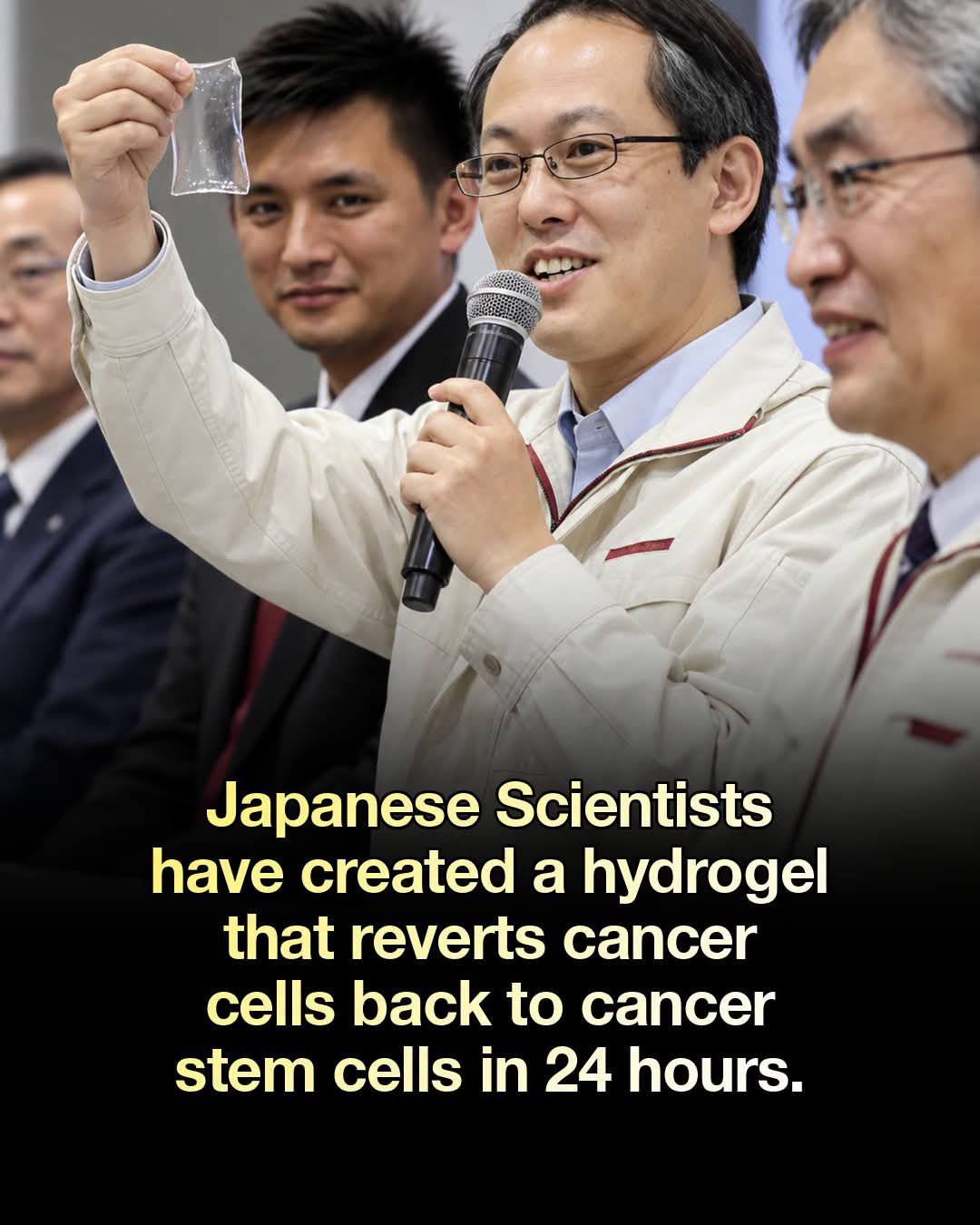
A new biodegradable “nanobone” could one day offer an alternative to jawbone grafts.
For decades, repairing large jawbone defects has often required bone grafts harvested from another part of a patient’s body. While effective, these procedures can involve additional surgery, discomfort, and longer recovery times.
Researchers from the University of Sydney and the University of Queensland have now developed a biodegradable nanostructured material that activates the body’s own bone-repair signals. Rather than simply filling a defect, the material attracts bone-forming cells and promotes natural bone regeneration.
In a preclinical bone model, the material generated approximately 80% more new bone than a control material after eight weeks. Researchers also reported activation of a key bone-repair growth factor at around 10 times the level achieved with conventional methods, suggesting the material may enhance the body’s natural healing response.
The technology was initially developed to address jawbone defects associated with cleft lip and palate, where bone grafting is commonly required during childhood or adolescence. Scientists believe the material could one day also be applied to traumatic jaw injuries, tooth-loss–related bone defects, and other reconstructive procedures.
Unlike materials that simply fill a defect, this biodegradable material is designed to be gradually replaced by the body’s own tissue as new bone forms. Researchers are also exploring personalized 3D-printed versions that could be tailored to individual patients.
The technology remains preclinical, and further testing is required before human trials can begin. Nevertheless, the findings represent a promising step toward future treatments that help the body rebuild lost bone using its own regenerative mechanisms.
📚 Source: Xu C, Chen Q, Chen H, et al. ACS Nano (2026). DOI: 10.1021/acsnano.6c05126
#DentalResearch #RegenerativeDentistry #BoneRegeneration #DentalInnovation #Biomaterials
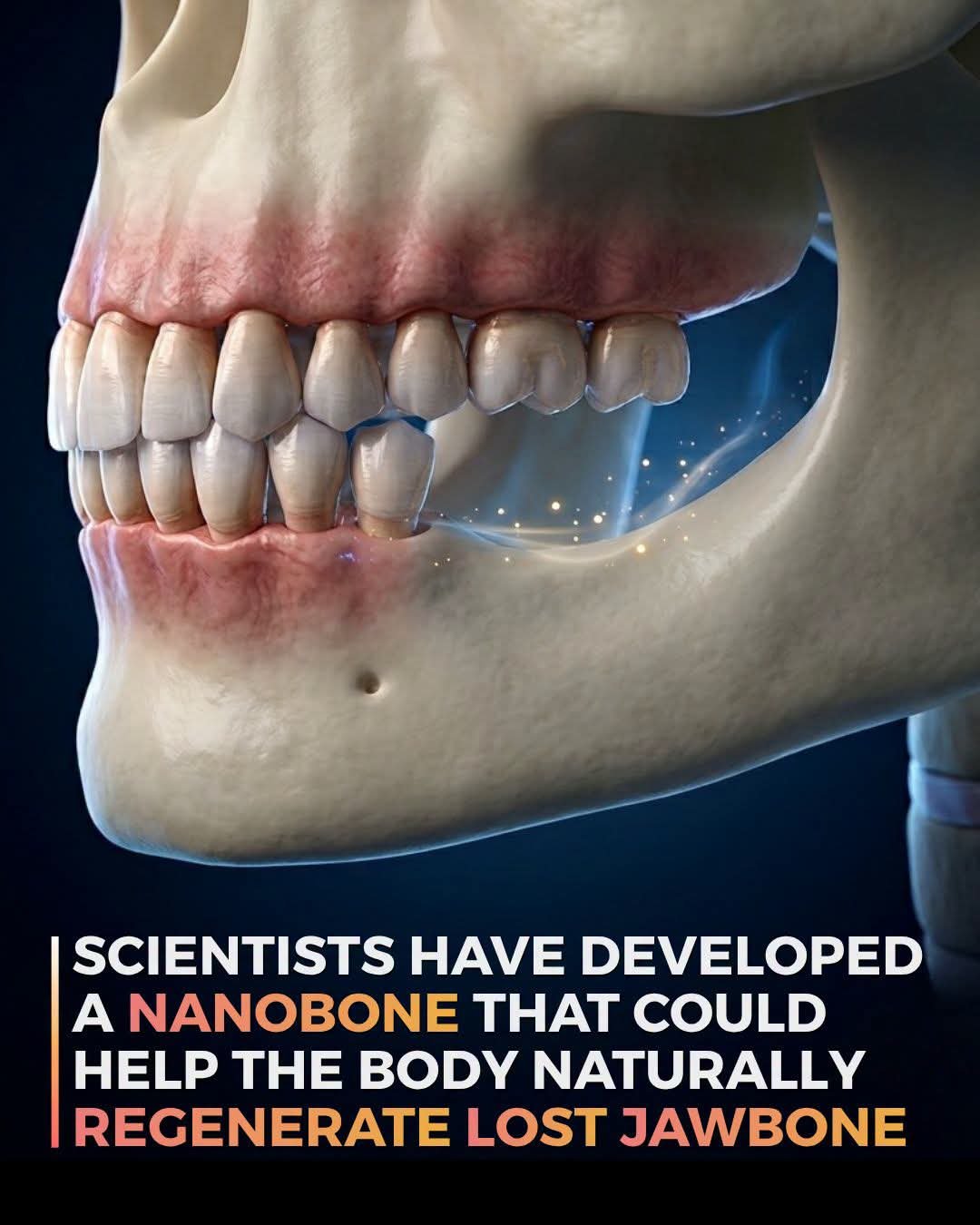
🥚💪 Did you know? Pairing eggs with cottage cheese gives your muscles two different sources of high-quality protein—one from the egg and another that digests more slowly and can keep supplying amino acids throughout the night.
Eggs contain all nine essential amino acids your body needs to build and repair muscle tissue, including leucine, an amino acid that plays an important role in stimulating muscle protein synthesis.
Cottage cheese brings something different to the plate: casein.
Casein forms a slower-digesting protein source, allowing amino acids to enter the bloodstream gradually rather than all at once. That makes it particularly interesting as an evening protein source.
🧪 Research Spotlight: A systematic review published in the Journal of Science and Medicine in Sport found that consuming roughly 20–40 g of casein before sleep can increase overnight protein synthesis. In one randomized controlled trial, 48 older men who consumed 40 g of casein before bed showed higher overnight muscle protein synthesis than those given a placebo.
And the timing makes sense.
While you’re asleep, your body isn’t simply “shut down.” It’s still repairing tissues, regulating metabolism, and carrying out countless cellular processes. Providing protein before sleep gives your body amino acids available during that recovery period.
Interestingly, a study specifically examining cottage cheese found that 30 g of protein from cottage cheese before sleep was digested and metabolized similarly to an equivalent casein supplement.
💡 Try this: Combine eggs with a serving of cottage cheese for breakfast, lunch, or an evening meal. Add vegetables, fruit, or whole grains to make it a more complete meal.
You don’t need to eat protein immediately before bed to build muscle—but getting enough high-quality protein throughout the day is one of the fundamentals of maintaining muscle, especially as you get older.
🥚 Sometimes, the simplest food combinations give your muscles exactly what they need to keep rebuilding.
Would you try eggs and cottage cheese together? 👀
#MuscleRecovery #ProteinNutrition #HealthyAging
VIBRIO DEATH: Someone in Pinellas County died after coming into contact with Vibrio vulnificus, a warm-water bacteria that can cause necrotizing fasciitis. The recent death brings the bacteria’s fatality rate up to 22% in Florida. https://www.wfla.com/news/pinellas-county/death-from-vibrio-vulnificus-reported-in-pinellas-county-5th-in-florida

1 in 8 Cancer Cases Worldwide Linked to Infections, Study Finds
https://www.newsweek.com/one-in-eight-worldwide-cancers-linked-to-infections-study-12482481

☕ People who drink more coffee tend to have less body fat, more muscle, and distinct sex-hormone patterns, according to a Finnish study.
Researchers analysed 2,264 adults from the Northern Finland Birth Cohort 1966, all around 46 years old.
They compared habitual coffee intake with body composition, blood metabolites, glucose and insulin markers, and sex hormones.
People in the higher coffee-intake groups had lower total body fat, less visceral fat around the organs, and greater skeletal muscle mass.
Interestingly, their BMI was broadly similar to people who drank less coffee.
Higher coffee intake was also linked to lower blood levels of branched-chain amino acids, or BCAAs.
Chronically elevated BCAAs have previously been associated with insulin resistance, Type 2 diabetes and other metabolic problems.
The hormone findings differed between men and women.
In men, each additional cup of coffee per day was associated with slightly higher total testosterone, bioavailable testosterone and sex hormone-binding globulin, or SHBG.
However, free testosterone and the free androgen index were slightly lower.
Men who drank more coffee also tended to show a more favourable glucose-insulin profile.
In women, the hormonal associations were weaker, but higher coffee intake was linked to higher SHBG and lower free androgen measures.
But this does not mean coffee directly causes people to lose fat, gain muscle or change their hormones.
The study was cross-sectional, meaning coffee intake and health markers were measured at roughly the same time.
Lifestyle differences, genetics or other factors could partly explain the associations.
Still, the findings suggest coffee may interact with metabolism in more complex ways than simply providing caffeine.
📃 RESEARCH PAPER
📌 Verroest et al., “Associations of habitual coffee intake with testosterone and cardiometabolic markers: the Northern Finland birth cohort 1966 study”, European Journal of Nutrition (2026)
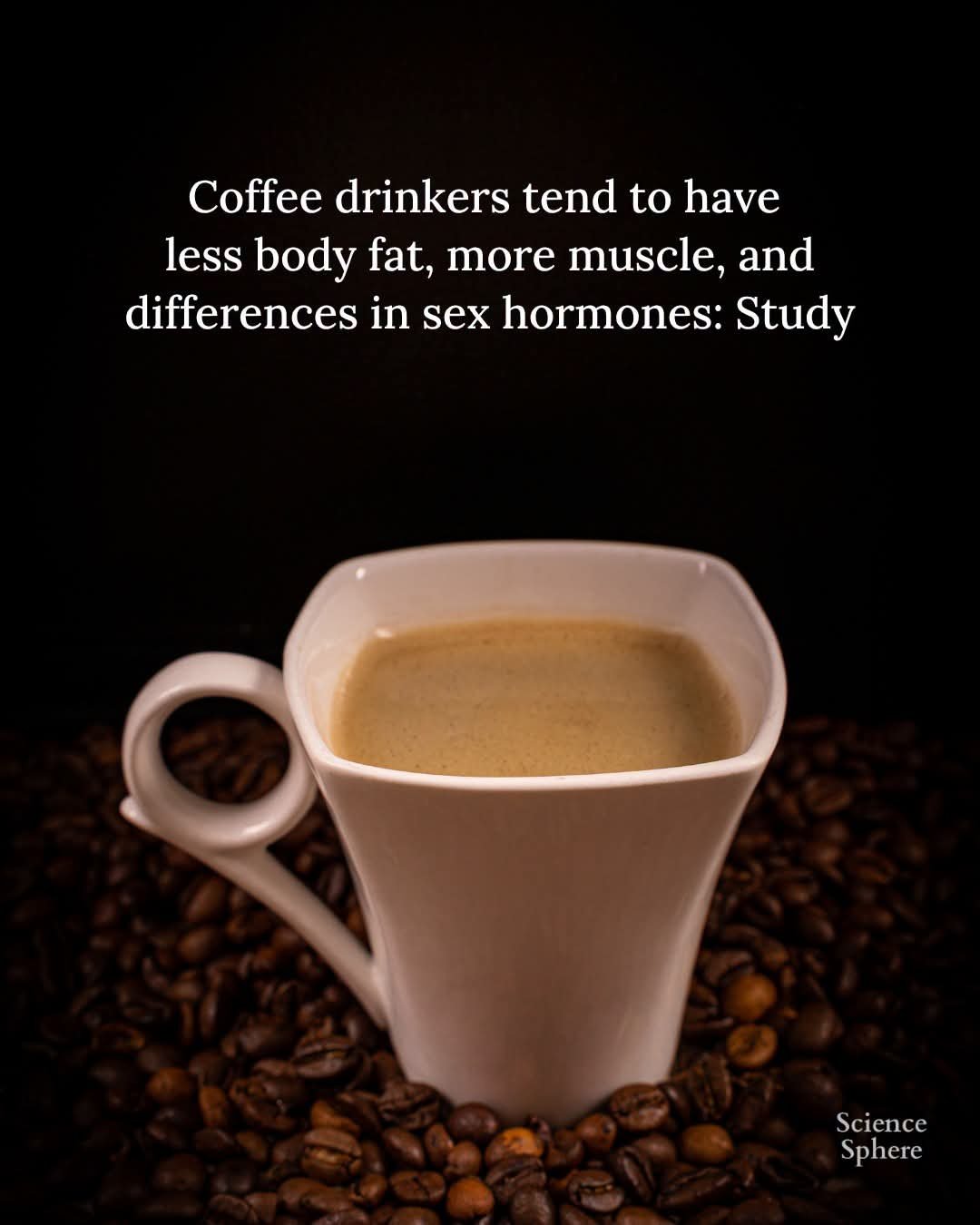
🍌🦟 Did you know? A simple banana peel has been used as a traditional home remedy for itchy mosquito bites—and there’s an interesting reason people believe it can help calm the irritation.
When a mosquito bites, it injects saliva into the skin. Your immune system recognizes proteins in that saliva and releases histamine, triggering the familiar redness, swelling, and intense itching.
That’s where the inside of a banana peel comes in.
The soft inner surface contains polysaccharides, antioxidants, and other plant compounds that can interact with the skin. When gently rubbed over an irritated bite, the cool, moist surface may help soothe the area while providing temporary relief from the sensation of itching.
There’s also a fascinating theory involving osmosis. The moisture and dissolved compounds within the peel create a different chemical environment at the skin’s surface, which may help draw excess fluid toward the surface and reduce the feeling of tightness and irritation.
🧪 Research Spotlight: Banana peels contain bioactive compounds—including polysaccharides, phenolic compounds, and flavonoids—that researchers have investigated for antioxidant and anti-inflammatory properties. These compounds are one reason banana peel continues to attract interest as a traditional topical remedy.
💡 Try this: Take the inside of a clean banana peel and gently rub it over a mosquito bite for about a minute. You can leave the residue on the skin for a few minutes before rinsing.
The relief can feel surprisingly quick for some people, especially because the cool, moist peel provides soothing contact with an irritated patch of skin.
🍌 Sometimes, the part of the fruit we normally throw away may have a few tricks of its own.
Have you ever tried a banana peel on a mosquito bite? 👀
#MosquitoBite #NaturalRemedies #BananaPeel
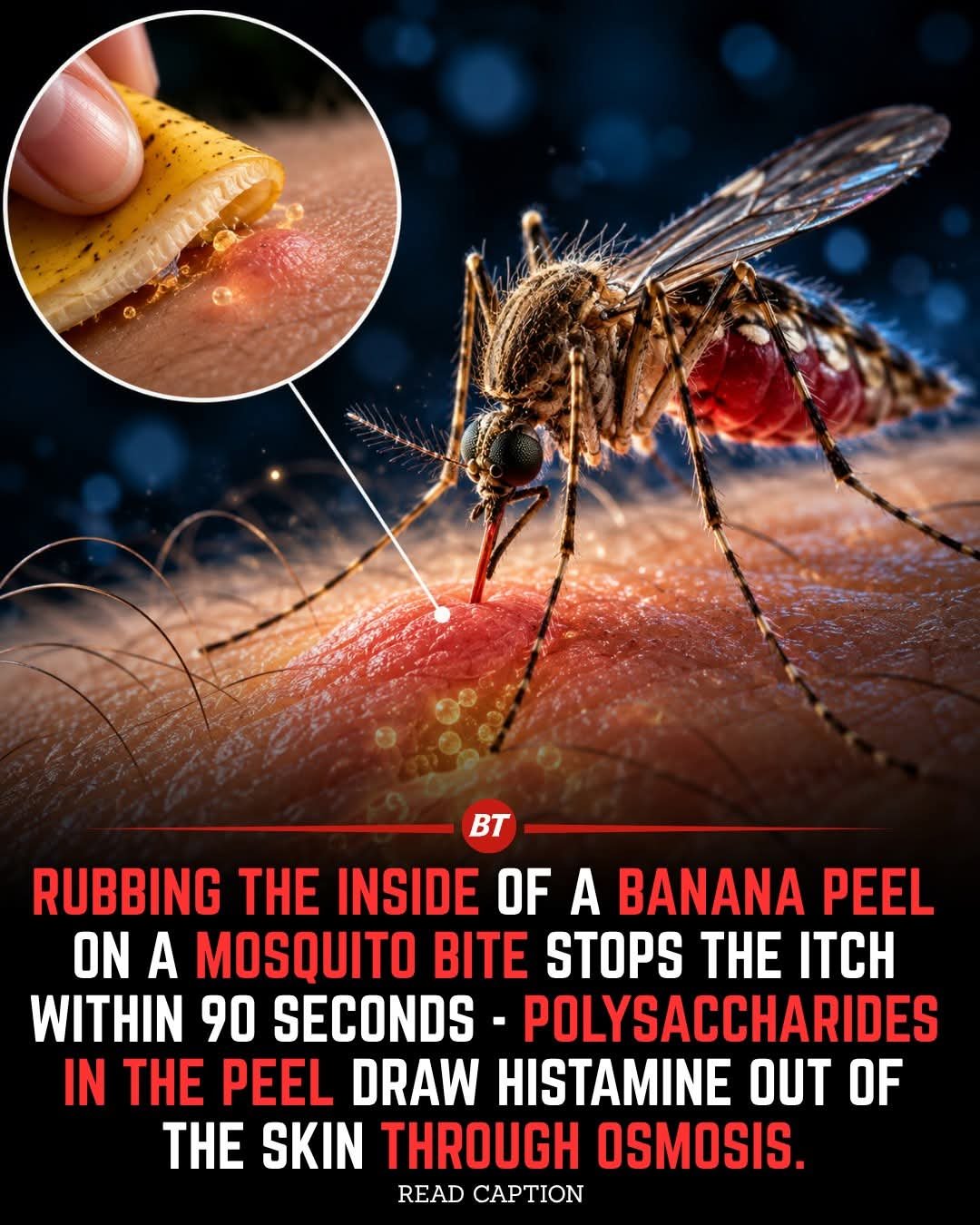
Far from being simple cosmetic flaws or stubborn physical imperfections, persistent water retention and cellulite are often direct, tangible signals from an overburdened body indicating that its primary drainage network—the lymphatic system—is sluggish or congested. Unlike the circulatory system, which relies on the heart to pump blood, the lymphatic system lacks a central pump and depends entirely on physical movement, deep breathing, and hydration to transport metabolic waste, cellular debris, and trapped proteins out of the tissues. When this intricate filtration pathway stagnates, excess fluid pools in the interstitial spaces, increasing subcutaneous pressure and exacerbating the “push-and-pull” effect against connective tissue bands that creates the dimpled appearance of cellulite.
By shifting the focus away from superficial aesthetics and actively supporting lymph flow through strategies like manual drainage, targeted movement, and consistent hydration, you address the physiological root cause, relieving tissue and congestion and allowing the body to naturally restore its smooth, balanced, and vibrant state from the inside out. Check out the comments section for tips on supporting lymphatic flow to prevent congestion 🫶
Lymphatic congestion can manifest through several systemic indicators beyond water retention, most notably chronic fatigue, brain fog, and a weakened immune system that leads to frequent infections, colds or chronic sinus issues. Individuals with compromised lymphatic flow may also experience persistent stiffness and joint pain, as stagnant fluid allows inflammatory waste products to accumulate around muscle and joint issues. Furthermore, it frequently causes digestive bloating or constipation due to disrupted gastrointestinal fluid clearance, alongside noticeable skin changes such as acne breakouts, rashes, dryness or a dull, thickened texture. Because the lymphatic system lacks a central pump, these non-visual symptoms are direct results of impaired cellular waste removal and compromised immune surveillance throughout the body.

Did you know? A 20-minute sauna session can make you sweat heavily, and research shows that sweat can carry certain substances out of the body, including trace amounts of heavy metals.
In one study, researchers collected sweat after 20 minutes of either treadmill exercise or sitting in a sauna. Nickel, lead, copper, and arsenic were detected in the sweat, although exercise actually produced higher concentrations of several of these metals than sauna exposure.
Other research has also detected toxic elements such as arsenic, cadmium, lead, and mercury in sweat following sauna exposure. Your body already relies heavily on the liver and kidneys to process and eliminate unwanted substances.

🦵🩸 Did you know? Your thigh muscles aren’t just there to help you walk, climb stairs, or stand up. They’re also one of your body’s largest metabolic tissues, playing a major role in how your body handles glucose.
After you eat carbohydrates, glucose enters your bloodstream and insulin signals your muscles to take it up. Inside muscle cells, glucose can be used for energy or stored as glycogen for later.
In fact, skeletal muscle is the body’s main site for insulin-stimulated glucose disposal. That’s one reason maintaining healthy muscle becomes increasingly important as we age.
And here’s where exercise gets fascinating. 🧬
Muscle contraction can increase glucose uptake through a pathway that is partly independent of insulin. In other words, when your muscles are working, they can pull glucose from the bloodstream even through mechanisms that don’t rely entirely on insulin signaling.
🧪 Research Spotlight: A 2025 review in Physiological Reviews described skeletal muscle as the main site of glucose deposition after meals and a major glucose user during physical activity. Researchers continue to study how insulin and muscle contraction activate GLUT4, a glucose transporter that helps move glucose into muscle cells.
This is one reason resistance training and activities that challenge the legs—such as squats, lunges, stair climbing, and brisk walking—can be valuable for metabolic health.
Strong legs also matter for something beyond metabolism.
As we get older, lower-body strength helps with everyday movements like getting out of a chair, climbing stairs, maintaining balance, and staying physically independent. Research consistently links greater muscular strength with better health outcomes in older adults.
💡 Try this: Don’t just train for bigger muscles. Train your legs to stay strong and useful—sit-to-stands, squats, walking, stairs, and resistance exercises can all help.
🦵 Your legs aren’t just carrying you through life. They’re helping regulate how your body uses one of its most important fuels.
#LegStrength #BloodSugar #HealthyAging
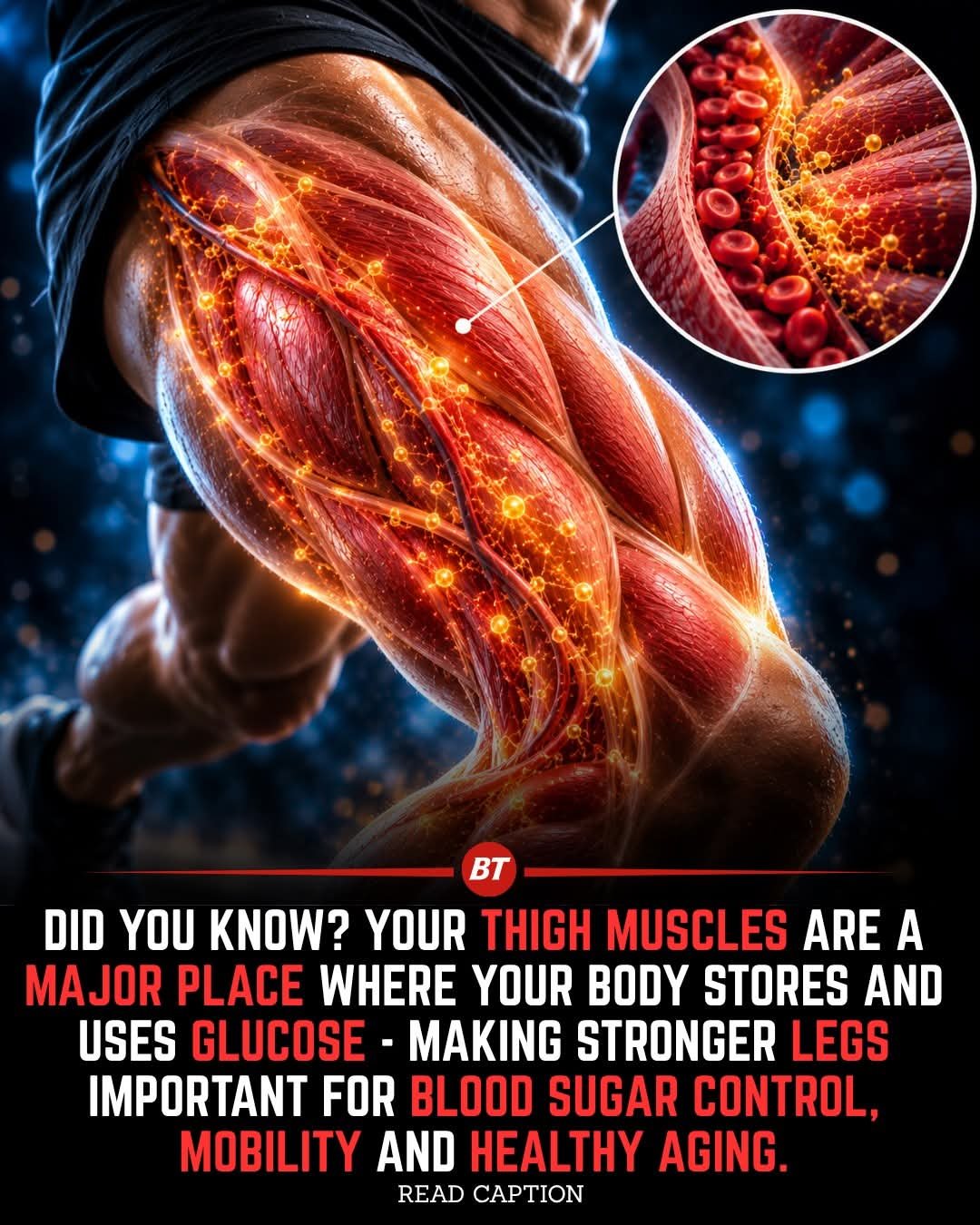
Researchers have found that bananas contain bioactive compounds with potential anticancer effects. Laboratory studies have shown that banana extracts and certain compounds can inhibit cancer-cell growth and trigger apoptosis, or programmed cell death, in several cancer cell types. A scientific review has identified these effects across colorectal, breast, pancreatic, liver, and other cancer models.
Research on ripening has also found that some banana preparations produce stronger biological activity as the fruit ripens. In a Japanese study, banana preparations from riper fruit produced a stronger immune response in mice, including increased TNF production. This has led researchers to investigate how compounds in ripe bananas may interact with immune and cellular pathways involved in disease.
